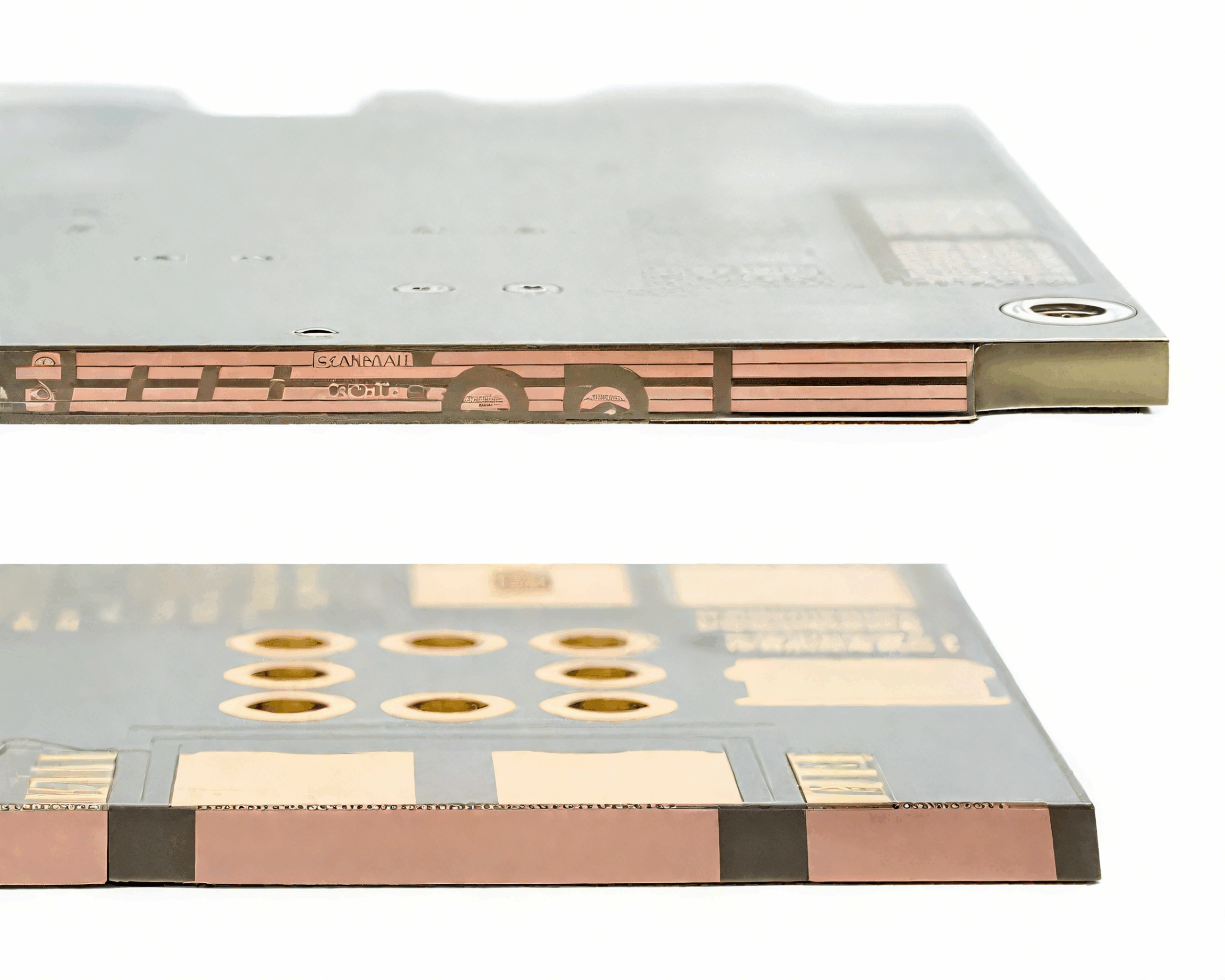
Sequential Lamination Control for HDI PCB Builds: 6 Rules Sequential lamination builds an HDI stack one layer at a time. The inner cores are bonded, drilled and plated, and then further layers of prepreg and foil are added on top of the finished subassembly and pressed again. The method exists…

Copper Peel Strength Control on PCB Laminates: 5 Rules Peel strength is the force needed to pull a strip of copper away from the laminate at a defined angle and rate. It is a measure of the interface, not of the copper and not of the resin on its own,…
Panel Cleaning After Routing: Burrs, Dust and Handling Routing is a dusty, abrasive operation, and the panel that comes off the router carries burrs at every cut edge and dust in every hole. Panel cleaning after routing is what removes both before the board goes any further. The cleaning step…
Plating Exhaust Control: Airflow, Scrubber and Tank Covers Plating exhaust removes the mist and vapour that a working plating line produces, and it does two jobs at once. It protects the people in the room, and it keeps the chemistry from moving between tanks. The exhaust system is part of…
Wave Solder Nozzle Wear Control on Wave Machines: 6 Rules The nozzle is the part of a wave soldering machine that forms the solder into a standing wave. It is a consumable, and it erodes faster than the pump that feeds it, because the solder is hot, moving and loaded…
Air Knife Flux Control in Wave Soldering: 5 Rules An air knife is a slot that blows a curtain of air across the board after fluxing, and its job is to remove the excess flux and leave a controlled film. The film thickness decides how much activator reaches the joint…
PCB Panel Size Control: Holding It Steady Electronics manufacturing has become a discipline of small details. Solder paste volumes, placement accuracy, temperature profiles and inspection limits all add up to the final result. This guide looks at PCB panel size control from the perspective of a PCBA factory floor, covering…
PCB Panel Size Checklist: What to Check Modern electronics depend on boards that are assembled correctly the first time. Every product – a phone, a charger, a medical instrument or an industrial controller – relies on thousands of solder joints that must conduct current for years. This article explains PCB…
PCB Panel Size Environment: A Practical Review for Manufacturing Teams Electronics manufacturing has become a discipline of small details. Solder paste volumes, placement accuracy, temperature profiles and inspection limits all add up to the final result. This guide looks at PCB panel size environment from the perspective of a PCBA…
PCB Panel Size Traceability: What Matters on the Production Line Modern electronics depend on boards that are assembled correctly the first time. Every product – a phone, a charger, a medical instrument or an industrial controller – relies on thousands of solder joints that must conduct current for years. This…