Plating Exhaust Control: Airflow, Scrubber and Tank Covers
Plating exhaust removes the mist and vapour that a working plating line produces, and it does two jobs at once. It protects the people in the room, and it keeps the chemistry from moving between tanks. The exhaust system is part of the process rather than a building service, and it should be maintained as such.
An exhaust system that is set too low lets mist settle on the work and on the equipment, while one that is set too high strips the tank and disrupts the surface. The balance between those is what exhaust control is about. A hood that looks right will still fail if the airflow has quietly fallen away.
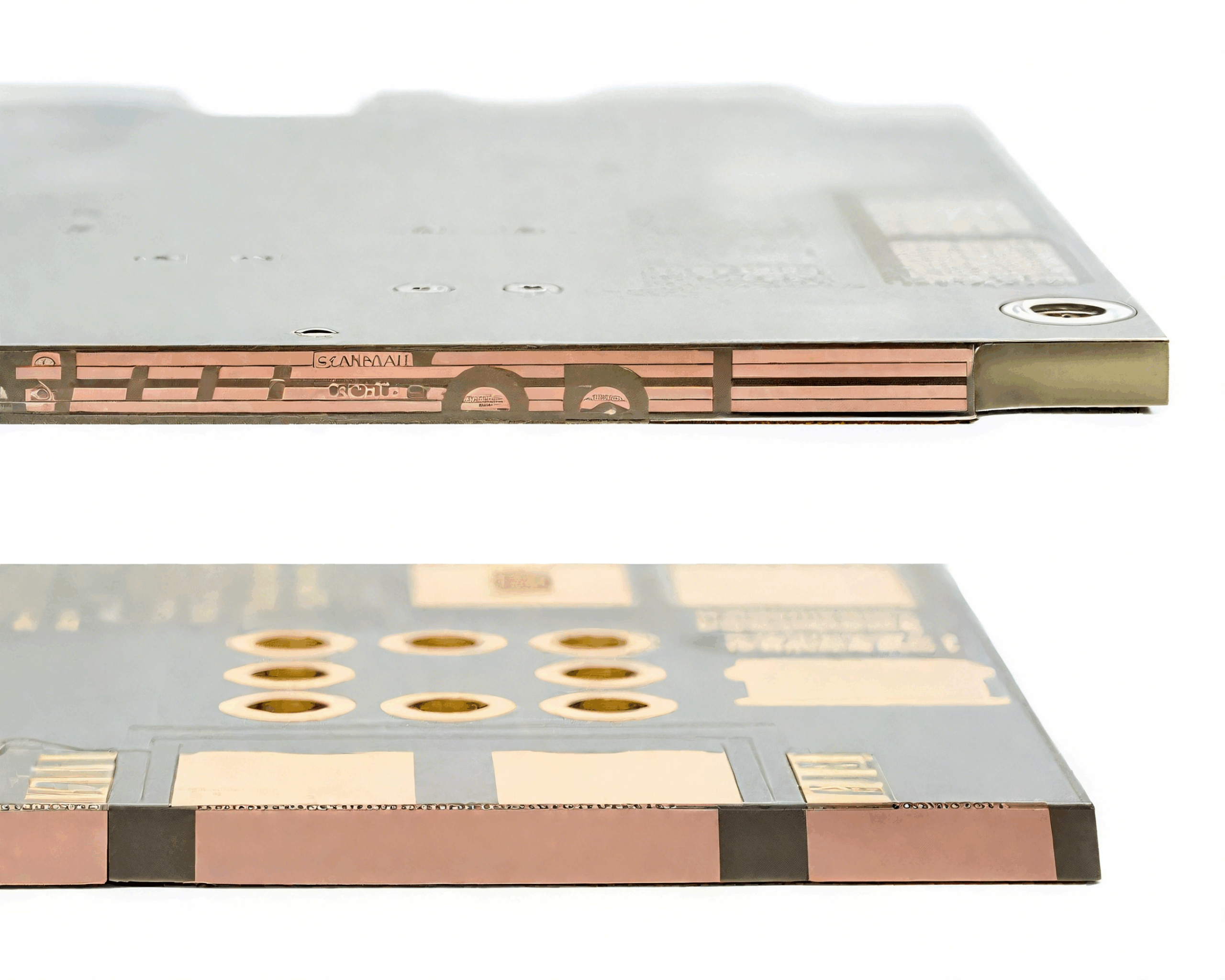
<img src="https://www.gopcba.com/wp-content/uploads/2026/08/pcb-assembly-machine-1.jpg" alt="Plating exhaust hood and lip extraction above a PCB plating tank” />
What a Plating Exhaust System Has to Do
The system has to capture mist at the source rather than move air through the room. That means a capture velocity at the tank surface, an enclosure or lip, and a duct that carries the air away without letting it spill back. It is judged by the mist that is captured and by the deposit the tank still produces. A system that passes the design figure at commissioning can still fall short a year later.
It also has to do this without dragging the bath out of the tank or changing the level faster than the make-up system can follow. Airflow that is too high is a real process problem as well as a waste of energy. Where capture is poor, the mist settles on the work and on the tank sides rather than leaving the room.
Airflow and Face Velocity
Face velocity is measured at the opening of the enclosure or the lip slot, and it is the number that decides whether mist is captured. It should be measured rather than assumed from the fan rating. The measurement should be taken on a day when the line is running its normal load.
Measurement should be taken at several points across the opening, because a system that is correct on average can be short at one end. The result should be compared with the design figure rather than with last month. A reading taken with every tank idle will flatter a system that is short under production conditions.
Tank Covers and Lip Extraction
A cover reduces the surface area that can release mist, and it is often the cheapest way to bring an existing line into compliance. A lip slot captures mist at the edge of the tank without covering the working area. A cover that is left half open gives most of the benefit of no cover at all.
Covers have a process cost as well, because they trap heat and change the evaporation rate. The level discipline described in plating bath level control work becomes more important when a tank is covered. Lip slots need cleaning, because the slot itself fills with salts and loses its velocity. The slot should be inspected for corrosion, since plating mist attacks the hood as well as the tank.
Scrubber Performance
The scrubber removes the contaminant from the air before it is discharged, and it does so by bringing the air into contact with water or with a scrubbing solution. Packing condition, flow and liquid quality all decide how well it works. The scrubber liquid should be changed on a schedule rather than when it looks dirty.
A scrubber that is running correctly still needs its packing cleaned and its flow verified, and the checks should be recorded. A scrubber that has lost flow will pass mist through while looking perfectly normal from the outside. Packing that has scaled up will still pass air and will stop removing the contaminant.
Ductwork and Balance
Ductwork loses pressure, and the loss grows as the system fouls. A line that has been extended with another branch will pull less from the original tanks unless the dampers are re balanced. Dampers should be marked so that a re balanced setting can be restored after maintenance. A damper moved during maintenance can take weeks to notice by any other means.
Balancing should be done with all the tanks running rather than one at a time, because the system behaves differently when every hood is drawing. The pre-treatment filtration described in plating tank filtration work is a reminder that a partly blocked path is the usual cause of a fall in flow. A new branch added to a duct system always takes flow from somewhere else.
Effects on the Bath
Exhaust changes the rate at which water and volatile components leave the tank, so it changes the bath composition. A tank under a strong hood will concentrate faster and will need make-up more often. The make-up rate should be reviewed whenever the exhaust setting is changed.
Vapour that is stripped from a warm tank also removes some of the more volatile additives, which can shift the balance of the chemistry. That is why the analysis and the exhaust record are best read together. A tank that concentrates faster than the analysis interval will drift out of specification between tests. Recording the exhaust setting beside the analysis makes that drift visible.
Monitoring and Alarms
Flow, pressure and scrubber level are the three values worth monitoring, and at least one of them should alarm. A fan that has stopped is not obvious in a noisy plating shop, and the line will keep running. The alarm should be tested as often as the interlock, because an untested alarm is only an indicator.
The alarm should reach someone who can act, and the response should be written down. The escalation habit described in line stop escalation and recovery work applies to ventilation failures as well as to equipment faults. A stopped fan is easy to miss in a plating shop, so the monitoring has to be automatic. The alarm should be on a circuit that is tested, not on one that is merely monitored.
Maintenance and Records
The record should carry the face velocity, the scrubber flow, the packing condition and the damper positions. Where the shop works to a published standard, such as the plating documents from IPC, that reference belongs in the maintenance plan. The maintenance record should include the damper positions as well as the flow readings. The record should also note when a hood was last cleaned, because that changes the flow.
The room as a whole should be considered too, since the airflow pattern around a line decides where mist actually goes. The framework used in PCB cleanroom class and assembly work is a useful way to think about it. A ventilation fault is a reason to pause the line, and the response should be written before it happens.
FAQ
How is plating exhaust verified? By measuring face velocity at the enclosure or lip slot across the whole opening, and by comparing the result with the design figure rather than with the last reading.
Can exhaust be too strong? Yes. Excessive airflow drags the bath, changes the evaporation rate and can disturb the surface of the tank, all of which affect the deposit.
Why do exhaust problems appear as chemistry problems? Because stripping vapour from a warm tank removes water and volatile additives, so the bath composition moves while nothing has been added.