PCB Copper Balance Training: Teaching the Team
Buyers and engineers often focus on the finished product and forget the production line behind it. In practice, most field failures can be traced back to process decisions made during assembly. Understanding PCB copper balance training gives you a practical advantage when you choose a factory, review a quotation or troubleshoot a quality problem, because it shows exactly where training for copper balance can go right or wrong.
1. Working Through the Steps
Handled in order, the steps below turn a requirement into a repeatable process. Handled out of order, the same steps produce a line that is permanently chasing its own tail.
1. Agree what PCB Copper Balance Training has to achieve, in numbers wherever possible, so the finished board can be judged against a figure instead of a description.
2. Choose the material and the process that suit that target, and confirm both are available before a delivery date is promised to anyone.
3. Set up the equipment for training for copper balance and prove the setup on a sample board before the full panel is committed.
4. Run the lot with the parameters locked, and stop the line if the sample drifts outside the window instead of waiting for the final inspection to say so.
5. Measure, record and pack, then review the data so the next lot starts from a known point rather than from memory.
2. What PCB Copper Balance Training Means in Practice
the the skills, the the test and the the refresh behind it.
3. What Makes It Work
A result that is not measured cannot be repeated, and a process that cannot be repeated is a lottery.
4. The Practical Steps
The settings are recorded as they are established, so the next run starts from a known point.
5. How the Work Is Done in Production
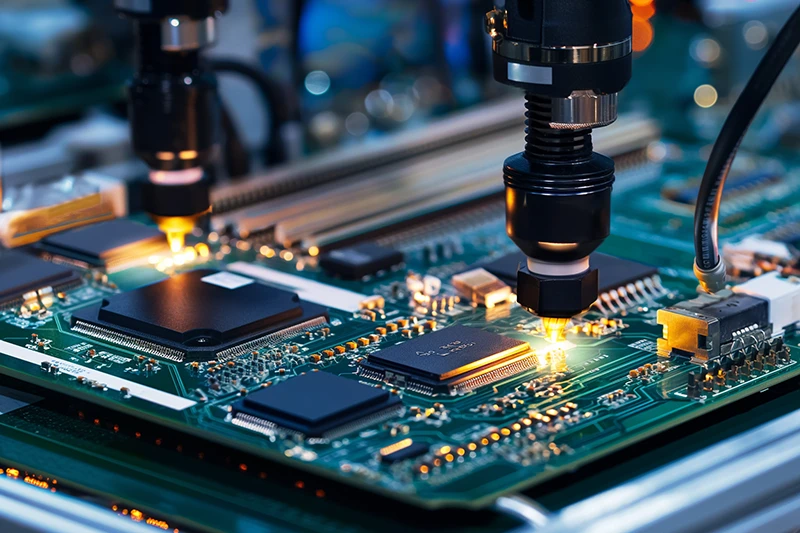
The result depends on the whole chain, not on any single machine. The board design fixes pad sizes and spacing, the printer controls the solder volume, the placement machine positions every component and the reflow oven forms the joints. Each step feeds the next one, which is why SMT PCB assembly should be reviewed as one complete process instead of a collection of separate operations.
6. Testing What the Eye Cannot See
First article inspection plays a special role at the start of every order. The first board is checked against the design in detail: component values, orientation, polarity and solder quality are verified before the line continues, which prevents an entire batch from inheriting a setup error. After the run, every board passes automated optical inspection, and samples move on to electrical test so the solder joints and the circuit are both proven before packing; this combination is the core of a practical PCBA testing plan.
Traceability turns good intentions into proof. The factory records which program ran, which reels of paste and components were used, which operator handled the job and what the inspection found. When a field return arrives six months later, that record is the fastest way to find the cause, and it is the clearest evidence that a documented quality management system is working.
7. Where These Boards Are Used
Assembled boards built with a well controlled process serve every industry: medical devices, automotive electronics, industrial control and consumer products. The same core disciplines apply across all of them, but each market adds its own expectations. Consumer products need low cost and fast ramp, medical products demand documentation and traceability, automotive boards must survive vibration and temperature extremes, and industrial electronics value long service life and easy repair.

8. Frequently Asked Points
A few questions come back in nearly every discussion about PCB Copper Balance Training. The answers below are the ones we give on the factory floor rather than in a brochure.
1. Which finish should be chosen? The one that suits the assembly process and the storage conditions. PCB Copper Balance Training behaves differently on each finish, so the choice is made together with the assembly house rather than after the boards are already made.
2. How long does it take? Standard work is quoted in days from data release. Anything that needs new tooling or a special material is quoted with the tooling time shown as a separate line.
3. Is the data kept? Yes. The working files, the stack and the inspection record are kept against the part number, so a repeat order is built from exactly the same starting point.
9. Choosing the Right Manufacturing Partner
A dedicated line only pays for itself when it runs constantly, and keeping process data, calibration records and quality documentation current takes engineering time that is easy to underestimate. Most product companies therefore choose a partner that spreads its equipment investment over many customers and offers services such as rapid PCBA prototyping under one roof.
When factories are compared, the price per board should never be the only number. Process controls, inspection equipment, component sourcing and communication decide the real cost, and a partner that reviews files before production, reports risks honestly and keeps its delivery promises will always be cheaper in the long run than one that quotes low and surprises later.
10. Details That Are Easy to Overlook
The best factories treat training for copper balance as a system rather than a checklist. Every decision, from stencil cleaning frequency to test coverage, connects to the others, so a change in one area is checked against its effect on the rest. A faster placement speed may save time today and create tombstoning tomorrow, and a thicker stencil may fix opens while causing bridges. That systems view, supported by data from inspection and test, is what turns a capable line into a predictable one over years of production.
11. Working With gopcb on Your Project
We treat skill as a shared target: the DFM review, the production run and the final report all check against it, which keeps a repeatable result across batches.
At gopcb, process control is a habit rather than an exception. Every batch is printed, placed and reflowed against a written specification, inspected at the right stages and tested before packing. Our engineers speak the same language as your design team, so questions about pads, profiles and tolerances are answered quickly.
Contact gopcb with your design files today. We will confirm the manufacturability of your board, recommend the right assembly route and deliver quality boards on the schedule your product launch needs.
Every person touching the process needs training, and that rule applies fully to training for copper balance. Operators must understand why a parameter window exists before they adjust it, inspectors must know what a real defect looks like, and engineers must be able to explain a change in the data. Factories that invest in training get faster responses to problems and fewer repeated mistakes, because knowledge on the floor is what turns written procedures into daily practice.
Conclusion
Taken as a whole, PCB Copper Balance Training is a question of routine rather than equipment. The factory that writes its settings down, checks the feature where it is created and keeps the record with the lot will hold its yield through a product mix change, a new shift or a busy quarter. That is why training for copper balance is worth reviewing at the quotation stage, when a change costs a conversation rather than a batch.
That brings us to the end of “PCB Copper Balance Training: Teaching the Team”. Whether you need PCB fabrication, SMT assembly, component purchasing, stencil making, conformal coating, box build or functional test, gopcb can carry the project from data review to delivered boards. Share your design and your requirements and our engineers will confirm the route, the cost and the lead time.