PCB Display Board Small Batch Runs: Keeping a Repeat Order Boring
The order began as a prototype run of fifteen boards and grew, over eight months, into a repeat programme with its own purchase history. Nothing in the design changed, yet the second half of the year behaved differently from the first. That is the ordinary pattern behind PCB display board small batch runs: the outcome is decided by conditions set early and then quietly forgotten. The pages below walk the inspection record from the data package to the shipping carton, and mark the points where a decision still costs nothing to change. The factory-side view of the same work is set out under high volume PCB assembly.
When PCB display board low volume runs is part of the requirement, our engineers tune the process, the inspection and the test plan around that goal so the finished board matches the use case.
1. What Engineers Mean by PCB Display Board Small Batch Runs
the power supplies, the instrumentation and the industrial control behind it.
A clear quote from our factory states PCB display board small batch runs performance in the breakdown, so the buyer knows exactly what is included before placing the order.
2. Confirming PCB Display Board Small Batch Runs Before Release
Before an order is placed it is worth walking through the points below with the supplier. Each one takes a few minutes to confirm and each one has a cost attached if it is discovered later. Anyone responsible for PCB Display Board Small Batch Runs should expect these documents.
1. Confirm the requirement in writing, including the tolerance that matters and the tolerances that do not, so the factory spends its effort where it changes the product.
2. Review the data before tooling is cut, because a question answered at that point costs an email and the same question answered later costs a new set of films. It also explains why PCB Display Board Small Batch Runs is checked at more than one step.
3. Qualify the process for the inspection record on a coupon or a first article and keep the measured result with the job record.
4. Measure the finished board against the drawing at the end of the line, and file the record with the lot so that a repeat order starts from a known point. The same checks apply to PCB Display Board Small Batch Runs on the next build. Supporting pages under mixed technology PCB assembly set the same work out from the factory side.
We treat PCB small batch runs traceability as a shared target: the DFM review, the production run and the final report all check against it, which keeps a repeatable result across batches.

3. The Route From Data Release to Shipped Carton
The result depends on the whole chain, not on any single machine. The board design fixes pad sizes and spacing, the printer controls the solder volume, the placement machine positions every component and the reflow oven forms the joints. Each step feeds the next one, which is why $2 should be reviewed as one complete process instead of a collection of separate operations.
Customers who compare suppliers often ask how we handle PCB small batch runs process window, and we answer with data from real builds and a delivery record rather than a brochure.
4. The Checks That Carry Real Weight
First article inspection plays a special role at the start of every order. The first board is checked against the design in detail: component values, orientation, polarity and solder quality are verified before the line continues, which prevents an entire batch from inheriting a setup error. After the run, every board passes automated optical inspection, and samples move on to electrical test so the solder joints and the circuit are both proven before packing; this combination is the core of a practical PCBA testing plan. Teams comparing suppliers should ask how PCB Display Board Small Batch Runs is measured.
Traceability turns good intentions into proof. The factory records which program ran, which reels of paste and components were used, which operator handled the job and what the inspection found. When a field return arrives six months later, that record is the fastest way to find the cause, and it is the clearest evidence that a documented $2 is working.
5. Cost, Lead Time and the Questions Behind Them
Most boards today are built by specialists rather than in house. The investment in printers, placement machines, reflow ovens and inspection equipment is large, and the engineering time needed to keep the process stable is easy to underestimate. A manufacturing partner spreads that cost over many programs and brings the same discipline to every customer, with supporting services such as $2 and $2 available from a single source. Nothing above changes when PCB Display Board Small Batch Runs moves to another line.
The choice between suppliers comes down to behavior under pressure: how a factory reacts to a design question, a component shortage or a quality issue tells more than its brochure. Ask for defect data, test coverage and customer references, and confirm the quality plan in writing before you commit a program.
6. What Makes It Work, and What Breaks It?
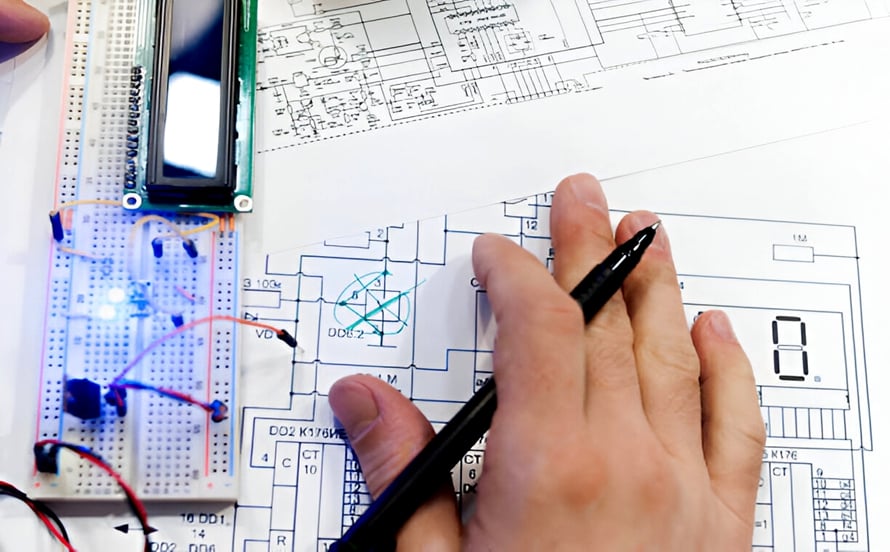
A change here shows up further along, where correcting it costs far more. That is what keeps PCB Display Board Small Batch Runs repeatable from lot to lot.
7. How We Fit Into Your Build
gopcb runs SMT lines supported by solder paste inspection, automated optical inspection and functional test in one facility. Our engineers review your Gerber files and BOM before production, discuss the process options, and ship boards with test records that give you confidence in the field.
If you are planning a new product or moving an existing design to volume production, send gopcb your design files and requirements. You will receive a DFM review, a clear quotation and a schedule you can plan around – and boards that work the way they should. This is the part of PCB Display Board Small Batch Runs that most quotations leave out. The same points, written for buyers rather than for the line, are covered under turnkey PCB assembly.
Every person touching the process needs training, and that rule applies fully to the inspection record. Operators must understand why a parameter window exists before they adjust it, inspectors must know what a real defect looks like, and engineers must be able to explain a change in the data. Factories that invest in training get faster responses to problems and fewer repeated mistakes, because knowledge on the floor is what turns written procedures into daily practice.
Suppliers and materials carry risks of their own, especially when it comes to the inspection record. A component that quietly changes its plating, a solder paste batch with different viscosity or a reel stored in humidity can all shift the process without any machine warning. Professional factories qualify their materials, check certificates of analysis and keep alternates approved in advance, so a supply change never becomes a quality incident on the production line. Every point above feeds into PCB Display Board Small Batch Runs somewhere on the line.
Prototypes are the cheapest place to make mistakes, and early samples teach more about the inspection record than any quotation does. The first small batch reveals pad geometry problems, component tolerances and process behavior before thousands of boards are committed, so the DFM review and the pilot run should be treated as part of the project rather than as an extra expense. Buyers who invest in this stage almost always reach volume production faster and with fewer surprises than those who rush straight to the big order. It is worth noting how PCB display board small batch runs fits into this step of the work.
Final Takeaways
Seen as a whole, PCB Display Board Small Batch Runs is a question of routine rather than of equipment. The plant that writes its settings down, checks the feature where it is created and keeps the record with the lot will hold its yield through a product change, a new shift or a busy quarter. That is why the inspection record is worth a review at the quotation stage, when a change costs a conversation instead of a batch. The same reasoning applies to PCB Display Board Small Batch Runs in a repeat order. For the next order, component procurement service covers the same ground from the factory side.
The subject of “PCB Display Board Small Batch Runs: Keeping a Repeat Order Boring” ends here. From fabrication and SMT assembly through component purchasing, stencil making, conformal coating, box build and functional test, gopcb can carry a project from data review to delivered boards. Share the design and the requirements, and our engineers will confirm the route, the cost and the lead time. It is the same discipline that keeps PCB display board low volume runs steady across the order. The wider version of this work is set out under PCB assembly.