
Energy Cost Management in PCB Manufacturing
Energy cost in a board shop is a process cost that behaves like a utility bill, and the two facts together explain why it is usually managed badly. It is large enough to matter, it is spread across many pieces of equipment, and no single production step feels responsible for it. Managing it starts with measurement rather than with investment, because the loads that dominate the bill are rarely the ones that attract attention, and the cheapest savings are usually in how existing equipment is run rather than in replacing it.
Where the Energy Goes
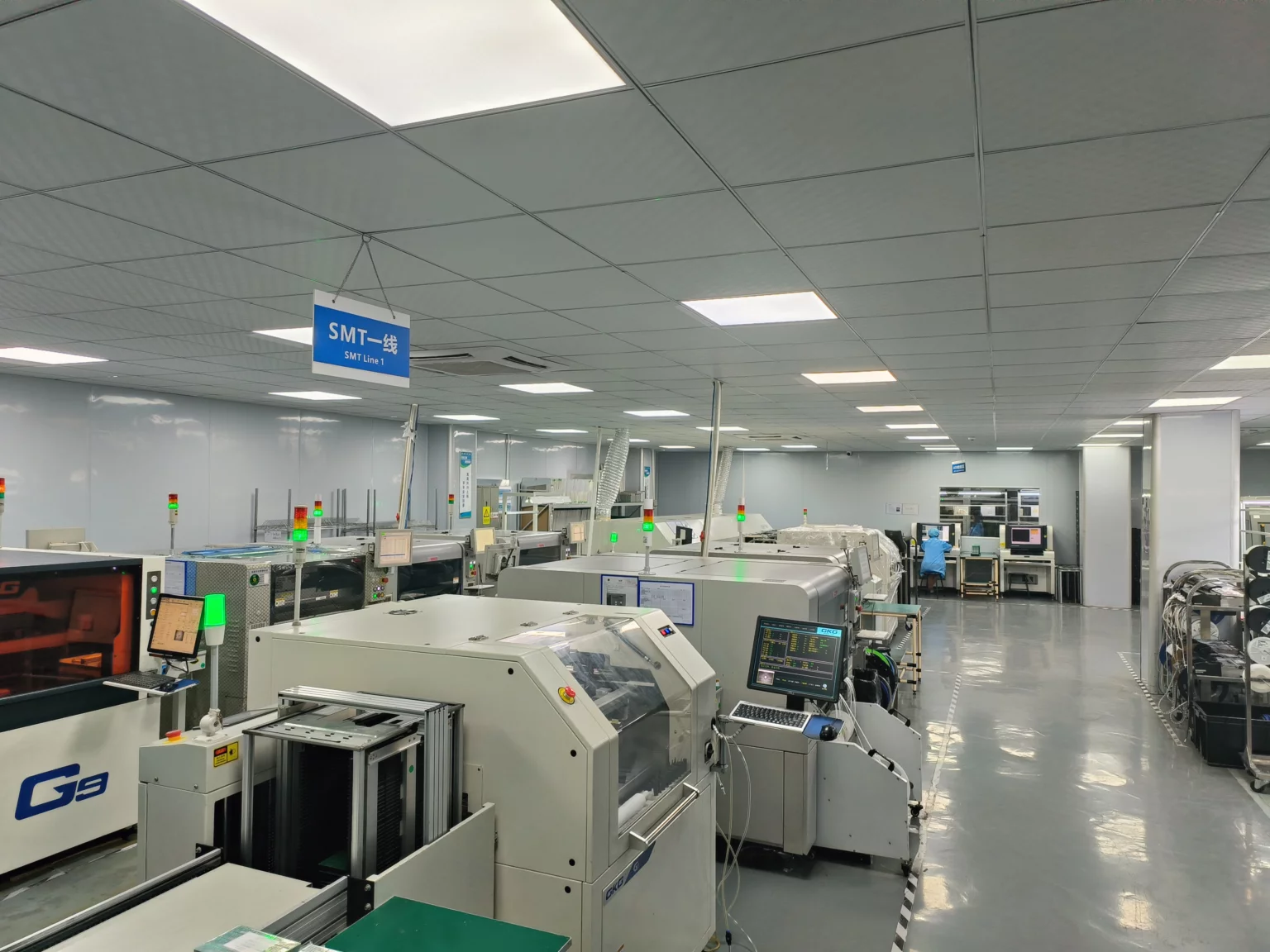
A wet process board shop spends most of its energy in a few places. Heating and maintaining plating and etching baths, running exhaust and scrubber systems, drying panels, heating rinse water and compressing air account for the majority of consumption in most plants. Lighting and office loads are visible and small, while the process loads are large and invisible, which is why attention so often lands on the wrong one.
Compressed air deserves particular mention, because it is the most expensive utility per unit of energy delivered and it is routinely wasted through leaks, open blow-offs and unregulated pressure. A leak survey is usually the fastest paying activity available and it requires no capital. The same is true of exhaust systems that run at full rate whether or not the line is loaded.
Measuring Before Spending
Measurement starts with the main meter, which gives a total and no detail, and then moves to submetering the largest consumers. Even a portable meter used for a week on each major system will identify where the consumption sits and what the load profile looks like across a shift. That information changes the priorities immediately and costs very little.
The profile matters as much as the total. A bath that is heated continuously through the night costs the same whether or not the shop is producing, and a system that is left running over a weekend can consume as much as several shifts of production. Identifying the base load, which is the consumption when nothing is producing, is often the single most revealing measurement a shop can make.
Loads That Are Easy to Reduce
Several reductions require attention rather than investment. Turning off idling equipment, closing lids on heated tanks, repairing steam and air leaks, reducing exhaust rates when lines are idle and switching off blow-offs that are not needed are all free or nearly free. Each of them is small on its own, and together they usually produce a double digit reduction in consumption.
Temperature and pressure set points should be reviewed against what the process actually requires. A tank held several degrees above the temperature the chemistry needs, or an air system held well above the pressure the machines require, consumes energy continuously and unnoticed. Where the process specification allows a range, running at the lower end of that range is free energy efficiency.
Investing in Efficiency
Capital measures should follow measurement, and they usually cluster around heat recovery, insulation, variable speed drives on pumps and fans, and more efficient compressed air generation. Heat recovery from hot process streams to preheat incoming water is often the largest single opportunity in a wet process shop, and it is well understood technology rather than an experiment.
The financial case should use the shop’s actual energy price and its real operating hours rather than a generic figure, because the ranking of projects changes with both. A measure that pays back in two years at sixteen hours a day may pay back in six months at twenty four hours, and a shop that runs three shifts will find different priorities from one that runs a single shift.
Running the Programme
Energy management works like any other improvement activity. It needs a measure that is reviewed regularly, an owner who is accountable for it, and a list of actions with dates. Without those three elements the initial savings decay as equipment drifts back to its previous settings and repairs are deferred.
A useful measure is consumption per unit of production, such as energy per square metre of board, because it separates the effect of activity from the effect of efficiency. Total consumption alone will fall when the shop is quiet, which is misleading, while consumption per square metre shows whether the process has actually become more efficient over time.
Beyond the Bill
Energy efficiency also supports the shop’s position with customers. Sustainability requirements increasingly arrive as part of a supplier questionnaire, and a shop that can report its consumption per square metre and its reduction over time answers those questions with data rather than with a statement of intent. In some markets that is becoming a condition of being considered at all.
The operational side has its own benefits. Reducing exhaust and air consumption generally reduces noise and heat in the plant, and a well maintained utility system is more reliable, which matters because a compressor failure or an exhaust fault stops production. Efficiency work therefore overlaps with maintenance planning, and the two should be scheduled together rather than separately.
Practical Rules
Meter the large loads, identify the base consumption, and fix the free items before buying anything. Review set points against the process specification, and measure consumption per square metre of board rather than in total.
Give the programme an owner and a monthly review with the production records, and record the savings so that the effort is visible. Energy cost management is most effective when it is treated as part of process control rather than as a separate environmental project, because the same discipline of measuring and correcting applies to both.
Additional Considerations for This Build
Practical attention to utility consumption pays for itself here, because it decides whether the finished board behaves as the drawing intended. Where the requirement is not stated on the fabrication drawing or in the assembly notes, the shop has to assume a default, and that default is rarely the value the design was simulated with. Stating utility consumption explicitly, together with the tolerance that applies, removes the assumption and keeps the result predictable from batch to batch.
Process Control and Verification
On a design of this kind, energy cost is the item that decides how the rest of the board is arranged. A stack-up that is drawn rather than described removes most of the ambiguity from a quotation, and it lets the fabricator price the board against the dielectric and copper weights that will actually be used. Where the requirement is not written down, the shop supplies its own default, and the default is chosen for the process rather than for the design.
The measurements that matter are the repeatable ones: conductor width and spacing, annular ring, finished hole size, plating thickness and surface finish are all verifiable on a coupon that travels with the panel.
Related reading: our fabrication notes, board quality and design release notes cover the same ground.
FAQ
Where does a PCB shop use most energy? Heating and maintaining process baths, exhaust and scrubber systems, drying, rinse water heating and compressed air. Together these usually dominate the bill.
What is the cheapest saving? Fixing compressed air leaks and stopping equipment that runs while idle. Both are low cost and pay back in weeks.
How should efficiency be measured? As consumption per square metre of board produced, which separates efficiency from the effect of how busy the shop is.