




PCB Flying Probe Standards: Agreeing the Rules
Flying probe test rarely fails because the machine is weak. It fails because the rule was never written down. One engineer expects full net coverage, the supplier quotes a bare continuity check, and the first batch reveals the gap. Agreeing the standard before tooling starts costs a short conversation. Disagreeing after delivery costs panels, schedule and trust. This review sets out the decisions that belong in that agreement, from coverage and fixtures to records and acceptance limits.
The probe itself is simple in principle. Fine needles move across the board, contact pads and vias, and measure what the program asks for. The complexity sits in what the program is told to measure and how the result is judged. A buyer who understands that split can write a requirement that a factory can quote and audit. A buyer who leaves it vague receives whatever the default happens to be, and defaults differ between suppliers.
What the Standard Covers
A flying probe standard is a written agreement about scope. It should state which nets are tested, which measurements are taken and which limits apply. It should name the board side or sides probed and the panel format used. It should also record who writes the program and who approves it. Without those clauses, two suppliers can both claim compliance while delivering very different coverage.
Coverage is the first number to settle. Continuity on every net is a baseline, but it says little about resistance, isolation or component presence. Ask whether the program checks opens, shorts, resistor values and diode orientation. Ask how unprobed features are handled, since small pads and dense areas may fall outside reliable contact. Each added measurement raises test time, so the scope should match the product risk rather than a habit.
Stackup and Access Choices
Probe access begins at layout. Test pads need enough area for reliable contact, and they need clearance from tall components. A pad under a connector body or beside a shield frame may be unreachable no matter how good the machine is. Designers should place probe targets during layout, not after fabrication. The PCB design and layout stage is where access is won or lost, and late changes usually mean lost coverage.
Via access is a related decision. Probing a via directly is fast but can damage plating if the needle lands badly. Adding dedicated test pads costs board area and may affect routing. The tradeoff belongs in the standard, because the factory needs to know which targets are mandatory and which are optional. A clear target list lets the programmer build a stable sequence and lets the buyer check the result against a known baseline.
Pad Size and Clearance
Small targets slow the machine and raise the chance of a false call. The standard should set a minimum target size and a minimum gap between targets. It should also state how the probe approaches a pad, since a soft landing protects thin finishes. These details are cheap to agree and expensive to discover during a ramp.
Program Development and Approval
The test program is engineering work, not a button press. Someone must import the netlist, define the measurement list, set the limits and sequence the probes to avoid collisions. That work takes time and should be quoted as a line item. Buyers should ask who owns the program, whether it is stored with the order, and how changes to the design are handled after release. A program without an owner drifts.
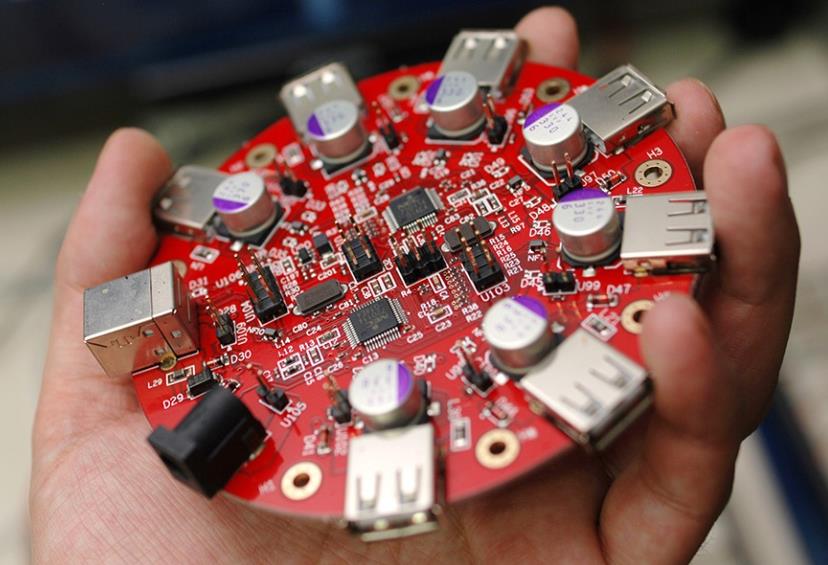
Approval matters as much as creation. The first article should be probed and the results reviewed against the drawing before volume starts. Any net that cannot be probed should be listed with a reason, not quietly dropped. A signed coverage report turns an assumption into evidence. It also gives the buyer a document to compare when a second supplier quotes the same board.
Limits and Acceptance Rules
Every measurement needs a limit, and every limit needs a reason. A continuity threshold set too tight rejects good boards, while one set too loose passes marginal joints. The standard should state the value, the unit and the measurement method. It should also say what happens to a board that fails one net but passes everything else. Rework, retest and scrap rules belong in the agreement, not in a phone call after the fact.
False calls deserve attention. A probe that touches a contaminated pad can report an open that does not exist. The standard should define how repeats are handled and how many retests are allowed before a board is judged. Recording false call rates helps both sides improve the program. Factories that track this number tune their probe pressure and cleaning cycles, and buyers see fewer disputed results.
Records and Traceability
A test result is only useful if it can be found later. The record should identify the program version, the board revision, the operator and the time of the run. It should show which nets failed and what action followed. When a field return arrives months later, that record answers the first question quickly. Buyers should ask for the record format before the order, because formats that cannot be exported are hard to audit.
Traceability also covers the panels themselves. Serial numbers or lot marks let a failure be traced back to a fabrication batch or a component reel. This is standard practice in medical and automotive work, and it is useful everywhere else. The cost is small when the marking is planned at the start. It becomes a scramble when a customer asks for it after the boards are built.
Test Coverage Beyond the Probe
Flying probe is one layer of verification, not the whole plan. It finds opens, shorts and wrong values, but it cannot confirm every solder joint or every dynamic behavior. A structured PCBA testing plan combines probe checks with inspection and functional test. The standard should say how the layers fit together, so no defect type falls between them. Overlap is acceptable; blind spots are not.
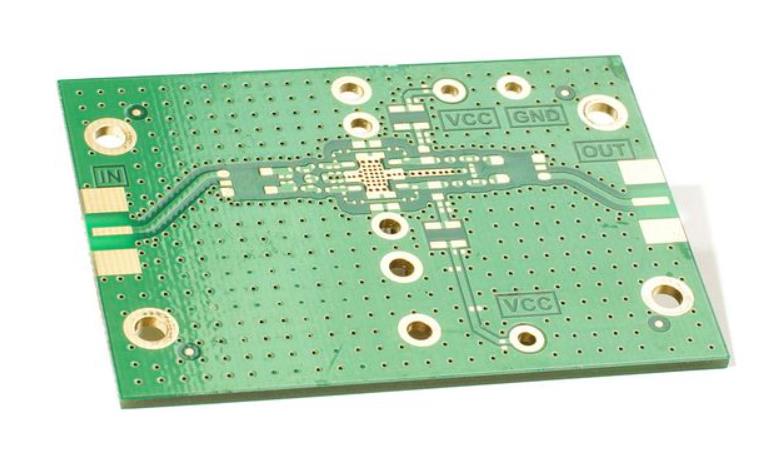
Functional test adds confidence in the assembled product. It exercises the circuit under power and catches faults that a static measurement misses. The tradeoff is time and fixture cost, so the standard should define which products need it and at what stage. For low volumes, a bench test may be enough. For higher volumes, an automated sequence pays back quickly through faster diagnosis and consistent judgment.
Working With a Partner
Most buyers do not own a flying probe system, and few need to. The equipment, the programming skill and the maintenance burden are better spread across many programs. A partner that runs probe test alongside PCB assembly can move a failing board straight into diagnosis without shipping it across town. That short loop shortens the time between a fault and its cause.
When comparing suppliers, ask for the probe standard in writing. Ask how coverage is reported, how false calls are handled and how programs are versioned. Ask who pays for program changes after a design revision. A supplier that answers these questions clearly is easier to work with than one that treats test as a black box. The answers also reveal whether the factory has a real process or a single machine with a default setting.
Component sourcing affects test as well. A substitute part with a different tolerance can fail a limit that the original passed. The component procurement process should flag approved alternates before they reach the line. Buyers who combine turnkey PCB assembly with a written probe standard get one point of responsibility for parts, build and verification. That arrangement removes the argument about which party caused a failure.
Agreeing the Rules Early
The best moment to settle probe standards is before the quotation is final. At that stage, a coverage change is a line in a document. After the first batch, it is a rework order. Buyers should bring the netlist, the target list and the acceptance limits to the review. Engineers should confirm what is reachable and what is not. Both sides should sign the same version of the document.
Once agreed, the standard should be reviewed when the design changes, when the volume changes or when a defect trend appears. A standard that never moves is either perfect or ignored. Most factories find the second case more common. The practical test is simple: can a new engineer read the document and run the job the same way? If not, the rules are still in someone’s head, and the next batch will prove it.