PCB Freight Problems: When It Goes Wrong
Electronics manufacturing has become a discipline of small details. Solder paste volumes, placement accuracy, temperature profiles and inspection limits all add up to the final result. This guide looks at PCB freight problems from the perspective of a PCBA factory floor, covering troubleshooting freight and the checks that turn a capable line into a predictable one.
1. How the Work Is Carried Out
The route from a released data package to a packed carton follows the same five stages on every order. What changes between products is the detail inside each stage, not the sequence.
1. Review. The board file, the stack and the assembly notes are checked against each other, and any open point is raised before the line is booked.
2. Prepare. The tooling, the program and the material for PCB Freight Problems are set up and verified against the job packet by a second person.
3. Run. The process for troubleshooting freight starts on a small lot, and the settings are written down as they are proven rather than after the run.
4. Inspect. The first article is checked in full, and the ongoing checks continue at the points that actually decide the result.
5. Release. The lot is measured against the drawing, packed for the journey and shipped with its record attached.
2. What PCB Freight Problems Means in Practice
the the symptoms, the the causes and the the fixes behind it.

3. Where the Trouble Starts
A change here shows up further along, where correcting it costs far more.
4. How It Is Done
The process is qualified on a sample, then held by routine checks through the shift.
5. Running the Build on the Line
The result depends on the whole chain, not on any single machine. The board design fixes pad sizes and spacing, the printer controls the solder volume, the placement machine positions every component and the reflow oven forms the joints. Each step feeds the next one, which is why SMT PCB assembly should be reviewed as one complete process instead of a collection of separate operations.
6. Quality Checks That Keep Defects Away
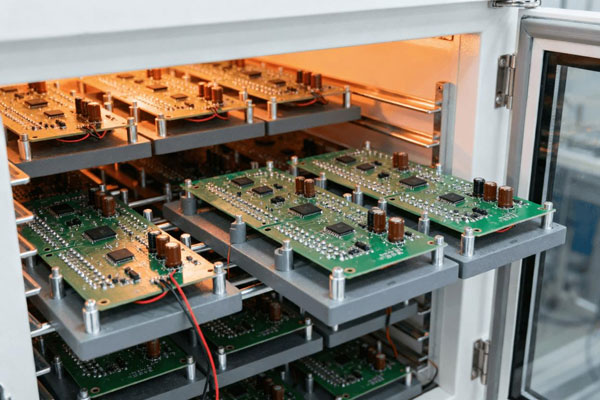
First article inspection plays a special role at the start of every order. The first board is checked against the design in detail: component values, orientation, polarity and solder quality are verified before the line continues, which prevents an entire batch from inheriting a setup error. After the run, every board passes automated optical inspection, and samples move on to electrical test so the solder joints and the circuit are both proven before packing; this combination is the core of a practical PCBA testing plan.
Traceability turns good intentions into proof. The factory records which program ran, which reels of paste and components were used, which operator handled the job and what the inspection found. When a field return arrives six months later, that record is the fastest way to find the cause, and it is the clearest evidence that a documented quality management system is working.
7. Applications Across Industries
Assembled boards built with a well controlled process serve every industry: telecom, computing, automotive and industrial control. The same core disciplines apply across all of them, but each market adds its own expectations. Consumer products need low cost and fast ramp, medical products demand documentation and traceability, automotive boards must survive vibration and temperature extremes, and industrial electronics value long service life and easy repair.
8. Common Questions
Buyers new to the process tend to ask the same things, and the answers are reassuring. None of the points below adds cost on its own, and each of them removes a risk from the schedule.
1. Can the process handle small batches? Yes. The setup for troubleshooting freight is the same whether the lot is five panels or five hundred, so the tooling is shared and the unit price stays sensible.
2. How tight can the tolerance be? It depends on the feature and the material. The rule is to hold the tolerance the product actually needs and to leave the rest at a commercial level rather than paying for accuracy that nothing uses.
3. What happens if something in the file is unclear? An engineering question is raised before tooling. Answering it costs a message, while building on a guess can cost the whole lot.
9. Factory Line or In-House Bench?
Most boards today are built by specialists rather than in house. The investment in printers, placement machines, reflow ovens and inspection equipment is large, and the engineering time needed to keep the process stable is easy to underestimate. A manufacturing partner spreads that cost over many programs and brings the same discipline to every customer, with supporting services such as high volume PCB assembly available from a single source.
The choice between suppliers comes down to behavior under pressure: how a factory reacts to a design question, a component shortage or a quality issue tells more than its brochure. Ask for defect data, test coverage and customer references, and confirm the quality plan in writing before you commit a program.
10. Practical Points Worth Knowing
Nothing about troubleshooting freight is decided once and forgotten. Parameters drift, materials change and operators rotate, so the factory reviews its data continuously, ranks the top defects and removes them one by one. Factories that follow this discipline gradually lower their defect rates and shorten their lead times, while factories without data simply repeat the same mistakes at the same cost. The improvement review should happen at least monthly, with the same attendees and the same metrics, so progress stays visible and no problem waits for a crisis to be fixed.
11. Working With gopcb on Your Project
We treat symptom as a shared target: the DFM review, the production run and the final report all check against it, which keeps a repeatable result across batches.
gopcb runs SMT lines supported by solder paste inspection, automated optical inspection and functional test in one facility. Our engineers review your Gerber files and BOM before production, discuss the process options, and ship boards with test records that give you confidence in the field.
If you are planning a new product or moving an existing design to volume production, send gopcb your design files and requirements. You will receive a DFM review, a clear quotation and a schedule you can plan around – and boards that work the way they should.
Collecting data about troubleshooting freight pays for itself quickly. Print reports, placement statistics, oven profiles and test results cost little to record, yet they turn arguments into decisions: when a customer complains, the batch record shows what actually happened, and when a process drifts, the trend line reveals it before scrap grows. Factories that treat records as part of the process rather than paperwork tend to find problems while they are still cheap to fix, and their customers see the difference in delivery performance and defect rates over time.
Conclusion
The practical lesson is that PCB Freight Problems rewards preparation. Clear data, an agreed tolerance, a proven first article and written records cost very little at the start of a project and save a great deal later, when a rework loop or a field return would cost far more than the review that would have prevented it. That is the difference between a quotation that merely looks cheap and a build that finishes on time.
That brings us to the end of “PCB Freight Problems: When It Goes Wrong”. Whether you need PCB fabrication, SMT assembly, component purchasing, stencil making, conformal coating, box build or functional test, gopcb can carry the project from data review to delivered boards. Share your design and your requirements and our engineers will confirm the route, the cost and the lead time.