PCB High Speed Board Profiling: The Details That Decide the Lot
Two quotations arrive for the same board. One is cheaper, one is more expensive, and the documents look almost identical. The difference usually hides in details nobody discussed: how PCB high speed board profiling is handled, which checks are recorded, and what happens when a parameter drifts away from its window. This article sets out the ramp to volume from the production floor upwards, so the comparison can be made on facts instead of on the bottom line alone, and it closes with the points worth confirming before the order is released.
When PCB high speed board board profiling is part of the requirement, our engineers tune the process, the inspection and the test plan around that goal so the finished board matches the use case.
Review 1: Where Does PCB High Speed Board Profiling Really Sit in the Process?
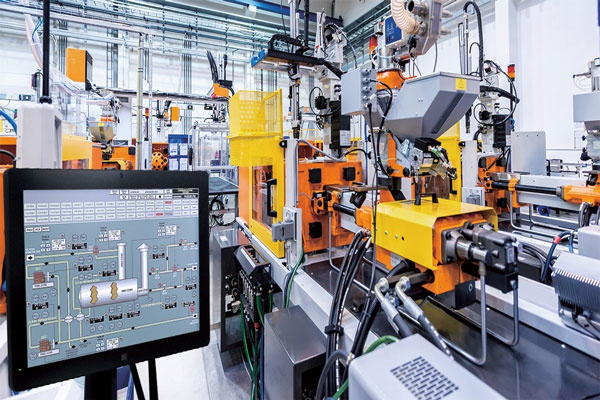
the industrial control, the energy storage and the consumer products behind it.
A clear quote from our factory states PCB high speed board profiling performance in the breakdown, so the buyer knows exactly what is included before placing the order.
Review 2: Questions Buyers Raise About PCB High Speed Board Profiling
The same three questions come up in almost every project that involves PCB High Speed Board Profiling. They are listed here with the short answers, because all three are worth settling before the design is frozen.
1. What decides the price? The material, the layer count, the finish and the inspection level. Work on the ramp to volume adds time, and time is what appears in the quotation, so a clear requirement usually ends up costing less than a vague one.
2. How is it proven before shipping? By a first article check measured against the drawing, followed by in process checks and a final inspection. The results travel with the lot and can be supplied with the delivery.
3. What should the buyer prepare? The board file, the stack notes, the assembly drawing and the finish. With those in hand the engineering review is normally finished inside a working day.
We treat PCB speed board profiling supplier checks as a shared target: the DFM review, the production run and the final report all check against it, which keeps a repeatable result across batches.
Review 3: Which Part of the Route Decides the Result?
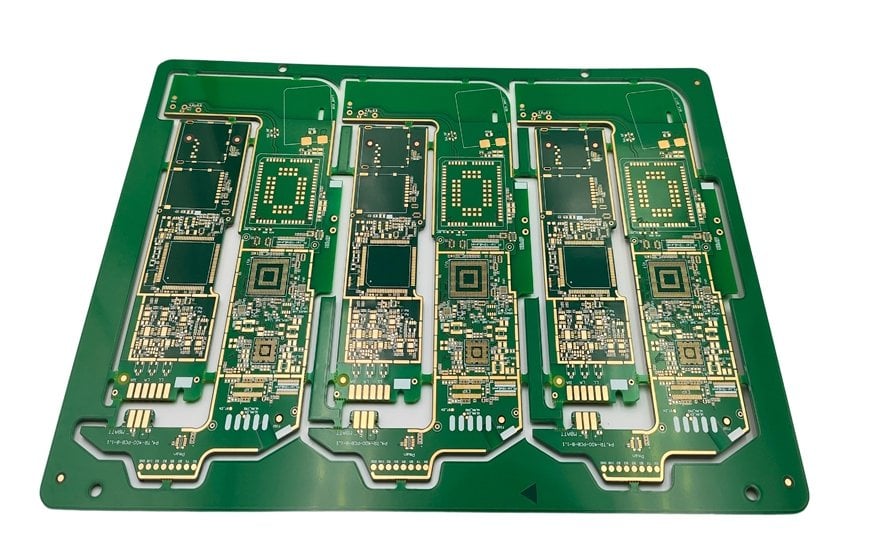
The result depends on the whole chain, not on any single machine. The board design fixes pad sizes and spacing, the printer controls the solder volume, the placement machine positions every component and the reflow oven forms the joints. Each step feeds the next one, which is why turnkey PCB assembly should be reviewed as one complete process instead of a collection of separate operations.
Customers who compare suppliers often ask how we handle PCB speed board profiling material selection, and we answer with data from real builds and a delivery record rather than a brochure.
Review 4: How Do You Know the Lot Matches the Sample?
Inspection catches defects before they leave the factory, but its real value is the feedback it gives. When a solder joint fails, the engineer learns whether the paste print, the placement or the reflow profile caused it, and that closed loop between inspection and process control is what pushes defect rates down month after month. Boards that pass visual checks still need electrical verification, because a cracked joint or a wrong component only shows up under power; functional test, in-circuit test and burn in each add confidence, and that is exactly what a structured PCBA testing program delivers.
Reliability does not come from one lucky batch, it comes from repeatability. Parameters are recorded, machines are calibrated, operators are trained, and the same result is produced on Monday and on Friday. Buyers should ask for process documentation, inspection data and test reports, because those records show whether a real quality management system exists in practice or only on paper.
Review 5: Where Does a Partner Add the Most Value?
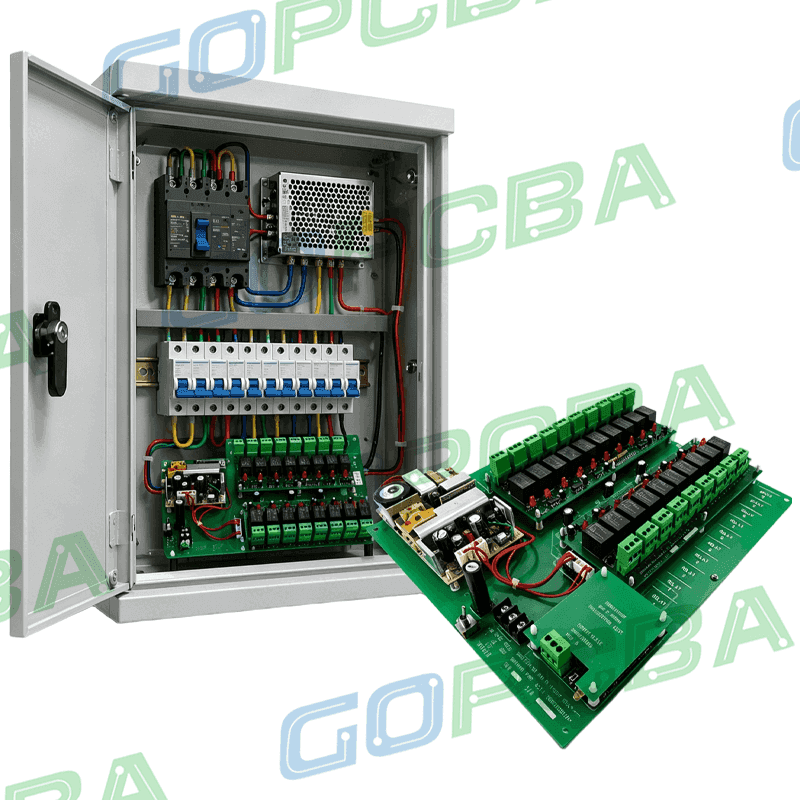
Most boards today are built by specialists rather than in house. The investment in printers, placement machines, reflow ovens and inspection equipment is large, and the engineering time needed to keep the process stable is easy to underestimate. A manufacturing partner spreads that cost over many programs and brings the same discipline to every customer, with supporting services such as mixed technology PCB assembly available from a single source.
The choice between suppliers comes down to behavior under pressure: how a factory reacts to a design question, a component shortage or a quality issue tells more than its brochure. Ask for defect data, test coverage and customer references, and confirm the quality plan in writing before you commit a program.
Review 6: How Do You Keep a Repeat Order Boring?
gopcb runs SMT lines supported by solder paste inspection, automated optical inspection and functional test in one facility. Our engineers review your Gerber files and BOM before production, discuss the process options, and ship boards with test records that give you confidence in the field.
If you are planning a new product or moving an existing design to volume production, send gopcb your design files and requirements. You will receive a DFM review, a clear quotation and a schedule you can plan around – and boards that work the way they should.
Documentation matters as much as hardware when it comes to the ramp to volume. The factory should record which program ran, which reels of paste and components were used, which operator handled the batch and what the inspection found. When a field return arrives months later, that record is the fastest way to identify the cause and to prove that the fix reached the next batch. Buyers should ask for these records as a routine part of every order, because documents that are easy to produce on request are usually also kept honestly during production.
There is more to the ramp to volume than the machines and materials visible on a factory tour. Temperature and humidity in the assembly area change the behavior of solder paste, and electrostatic discharge can damage sensitive components without leaving a visible mark. Professional factories control these conditions, ground every workstation and store moisture sensitive devices correctly, so the process produces the same result in summer and in winter. These environmental details rarely appear in a quotation, yet they decide whether a line runs at high yield all year or drifts with the seasons.
Prototypes are the cheapest place to make mistakes, and early samples teach more about the ramp to volume than any quotation does. The first small batch reveals pad geometry problems, component tolerances and process behavior before thousands of boards are committed, so the DFM review and the pilot run should be treated as part of the project rather than as an extra expense. Buyers who invest in this stage almost always reach volume production faster and with fewer surprises than those who rush straight to the big order.
Suppliers and materials carry risks of their own, especially when it comes to the ramp to volume. A component that quietly changes its plating, a solder paste batch with different viscosity or a reel stored in humidity can all shift the process without any machine warning. Professional factories qualify their materials, check certificates of analysis and keep alternates approved in advance, so a supply change never becomes a quality incident on the production line.
Collecting data about the ramp to volume pays for itself quickly. Print reports, placement statistics, oven profiles and test results cost little to record, yet they turn arguments into decisions: when a customer complains, the batch record shows what actually happened, and when a process drifts, the trend line reveals it before scrap grows. Factories that treat records as part of the process rather than paperwork tend to find problems while they are still cheap to fix, and their customers see the difference in delivery performance and defect rates over time.
Conclusion
Put simply, PCB High Speed Board Profiling is not one decision but a series of small ones running from the first drawing to the shipping carton. Each of them is ordinary on its own, and taken together they decide whether the boards reach the assembly line ready to use. Handling them in order, with the numbers written down, is what separates a stable supply from a permanent firefight.
That brings us to the end of “PCB High Speed Board Profiling: The Details That Decide the Lot”. Whether you need PCB fabrication, SMT assembly, component purchasing, stencil making, conformal coating, box build or functional test, gopcb can carry the project from data review to delivered boards. Share your design and your requirements and our engineers will confirm the route, the cost and the lead time.