PCB Lead Times: What Actually Drives Them
The Shape of a Lead Time
A quoted lead time is a sum, not a number. It is the engineering review, the material purchase, the fabrication queue, the drilling, plating, imaging and etching steps, the solder mask, the finish, the electrical test, the assembly and the final inspection, plus the transport between them. Where the quote is short it is usually because the factory has the material in stock and the capacity free, and where it is long it is usually one of those two constraints rather than the process itself. Understanding which part of the sum is dominant is what makes a schedule negotiable.
Material Availability
The first driver is material, and it dominates more often than any other. A standard FR-4 laminate in a common thickness, with one ounce copper and a common panel size, is stock. A high frequency laminate, a heavy copper build, an unusual thickness, a special finish or a particular solder mask colour may be a purchase order with a supplier lead time of several weeks before the board is even started. Where the schedule is tight, the most effective action is often to change the specification to something that is in stock, or to accept a compromise on a secondary property, rather than to expedite the process.
Layer Count and Process Steps
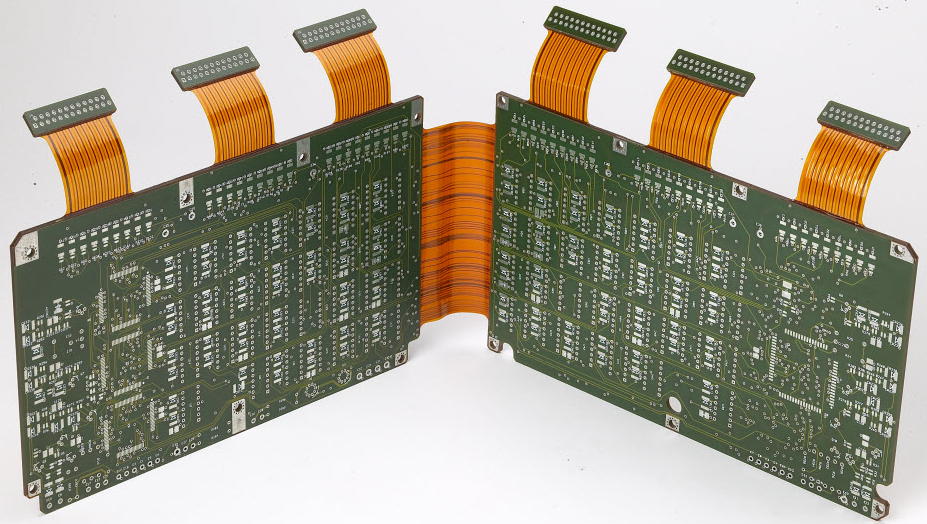
Complexity adds steps, and every step adds queue time. A two layer board with a simple pattern has a short route; a multilayer board adds lamination cycles, and each additional lamination adds a press cycle and the registration and inspection that go with it. Fine line widths and small holes slow the imaging and the drilling, and controlled impedance adds a calculation and often a test coupon that has to be measured. A via in pad or a filled via adds a separate process, and a sequential build adds several. The schedule reflects the number of times the panel enters and leaves a machine, not just the number of layers.
Tooling, Drilling and Programming
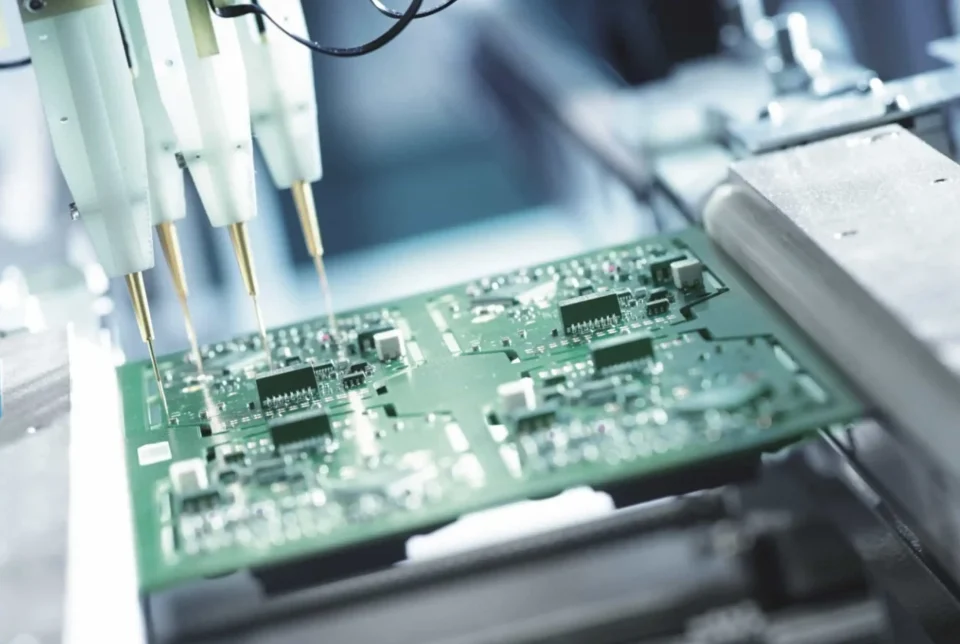
Some time is spent before production starts. The data has to be checked and converted, the drill program and the routing program have to be prepared, and any test fixture or stencil has to be made. For a new assembly, the placement program and the stencil are part of the critical path, and a first article has to follow. That front end is short in absolute terms but it is unavoidable, and it is the reason a repeat order is faster than a new one even when the boards are identical. Where the product is expected to repeat, keeping the tooling and the program in the factory’s system saves that time on every subsequent order.
Testing and Inspection
Electrical test is a step that many customers overlook. A bare board that requires a flying probe test, or a fixture based test on a dense design, adds time that scales with the number of nets and the number of panels. X-ray inspection of a BGA, automated optical inspection of the assembly and any functional test add further steps. Where the customer requires a full inspection report or a certificate with the shipment, the documentation itself takes time. None of these steps is optional if the requirement calls for it, so the way to shorten the schedule is to agree in advance which tests are genuinely required.
Capacity, Queues and Priority
The factory’s queue is the part of the lead time that varies most. When a line is full, an order waits, and the wait is often longer than the process. This is why an expedited order can sometimes be delivered quickly and why the same order placed a week later takes much longer: the expedite buys a place in the queue rather than a faster process. Where the schedule is critical, the productive question is not only how fast the process can be, but what capacity is free and what it costs to be first in line. That is also why splitting a build into an urgent first delivery and a later balance often beats expediting the whole lot.
How to Compress a Schedule
The reliable ways to compress a schedule are to freeze the design early so that the front end is not repeated, to specify materials that are in stock, to avoid unnecessary special processes, to release the bare board and the long lead components at the same time rather than in sequence, and to be honest about the date that the data and the purchase order will be ready. Where the schedule is already tight, removing a requirement costs less than expediting it: a looser tolerance, a standard finish or a simpler stackup may save more days than any expedite fee. Planning the prototype as a rehearsal for production is the cheapest way to keep the later builds short.
FAQ
What drives PCB lead time most? Usually material availability and factory capacity, before the process steps themselves.
Why is a repeat order faster? The front end is already done: the data, the programs and the tooling are retained, so production can start sooner.
Does expediting make the process faster? It buys priority in the queue rather than shortening the process, which is why it is most effective when capacity is the constraint.
Which requirements add the most time? Special laminates, unusual thicknesses or finishes, sequential lamination, filled vias and heavy testing all add steps or purchases.
How can I shorten the schedule without paying more? Freeze the design early, use stocked materials, drop unnecessary special processes and release the board and the components together.
Conclusion
A lead time is a sum of material, steps, queue and testing, so the way to shorten it is to remove a term rather than to argue about the total. Freeze the data early and specify what is in stock. Fabrication timing belongs to PCB manufacturing, the build that follows it sits in PCB assembly, and the first pass through the schedule is covered by prototype PCB assembly. How those steps are planned and released is part of PCB capabilities in 2026.