
PCB Maintenance Specification: Writing It Down Precisely
A maintenance specification only works when another engineer can follow it without asking questions. Vague wording such as clean the machine regularly or check the oven often leaves the decision to whoever is on shift. A written specification names the item, the interval, the method and the person responsible. It also records what happens when a check fails. This article explains how to write that document for PCB production equipment and the boards it builds.
The subject covers more than machines. It includes stencils, solder paste, feeders, nozzles, ovens, inspection systems and the records that prove each task happened. Buyers rarely see this document, yet it shapes yield, delivery and field reliability. When a factory cannot show a maintenance plan, the buyer is trusting memory and habit. That trust is reasonable only when the plan exists on paper and the records match it.
What the Specification Covers
A complete maintenance specification lists every asset that affects board quality. Printers, placement heads, reflow zones, conveyors and inspection cameras all belong on the list. Each asset needs an identifier so records point to the right unit. The document should also cover consumables such as stencils, squeegee blades, filters and nozzles. These parts wear quietly and change the process before any alarm appears. Grouping them under one plan keeps ownership clear.
Each entry needs four fields at minimum. The first is the task description, written as an action rather than a goal. The second is the interval, stated in hours, cycles or calendar days. The third is the acceptance limit, with a number and a unit. The fourth is the record, meaning what evidence proves the task was done. A plan without limits invites argument, because two operators can judge the same condition differently and both feel correct.
Writing Limits and Tolerances
Numbers turn a maintenance plan into a control document. A paste printer squeegee may need replacement after a stated number of prints or when edge wear reaches a measured value. A reflow oven needs a profile check at a defined interval, with zone temperatures compared against the approved window. A placement nozzle needs a vacuum reading against a threshold. Each limit should come from the machine builder, the paste supplier or the factory’s own process data. Do not invent a figure to fill a field.
State the action for a failed check as clearly as the check itself. If a filter reading falls outside the window, the operator stops the line, replaces the part and records the change. If the profile drifts, the engineer reviews the oven before the next batch starts. A limit without a response is only a suggestion. Buyers reviewing a supplier should ask how failed checks are handled and whether the response is written into the plan.
Where the exact figure is unknown, write the method instead of a guess. For example, specify that the oven profile is verified with a profiled board at a stated interval and compared with the approved profile kept on file. The comparison is objective even when no single number describes the whole curve. This approach keeps the document honest and still gives the operator a clear decision point.
Intervals and Ownership
Interval choice balances risk against downtime. Daily tasks usually cover visual checks and consumable condition. Weekly tasks cover cleaning, calibration checks and lubrication where the machine builder allows it. Longer intervals cover filters, belts and full profile verification. The plan should say who performs each task and who signs it off. A named role works better than a person’s name, because staff change and the plan must survive that change.
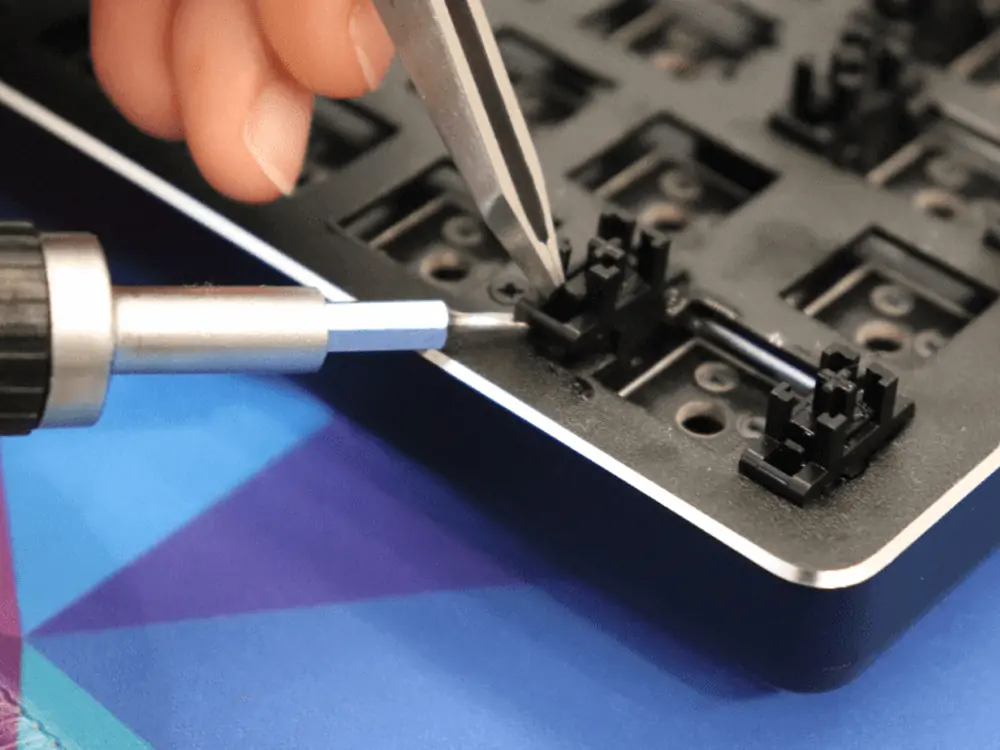
Ownership also covers escalation. The document should name the person who approves a deviation and the conditions under which production stops. Without that line, operators face pressure to keep running and the plan erodes. A simple rule helps: any check outside its limit halts the affected step until the responsible engineer releases it. That rule protects the product and the operator alike, and it removes the argument from the floor.
Records That Prove the Work
Maintenance records should be easy to complete and hard to fake. A checklist with a time stamp, an asset identifier, a reading and an initials field meets that test. Paper still works in many factories, but digital logs linked to the machine are stronger because they capture the time automatically. Whichever form you use, the record must connect to the batch. When a customer complaint arrives, the factory can then check whether a maintenance event coincided with the suspect lot.
Records also support improvement. Trends in nozzle vacuum, squeegee wear or oven drift show which parts fail early and which intervals are too long. A factory that reviews these trends adjusts the plan with evidence rather than opinion. Buyers should ask to see a sample log and a recent trend review. A supplier that keeps both is usually controlling the process rather than reacting to it. The same discipline supports a credible PCBA testing program, because clean equipment and stable processes make test results meaningful.
Linking Maintenance to Assembly
Maintenance decisions reach the board through the assembly process. A worn stencil aperture changes paste volume, which shifts joint quality across a whole lot. A dirty nozzle causes placement misses that inspection may catch but cannot explain. A drifting oven changes wetting and can create voids or weak fillets. Each of these faults looks like a materials problem until the maintenance log is checked. Writing the plan well makes that check fast and turns a mystery into a known cause.
The link works in both directions. Assembly data should feed the maintenance plan. If a defect type rises, the engineer reviews the related equipment first. If a machine is serviced, the next batch should be watched more closely. This feedback loop belongs in the document as a short procedure, so the review happens on a schedule rather than after a crisis. Good PCB assembly depends on this routine more than on any single machine.
Stencil and Paste Control
Stencils and paste deserve their own entries. A stencil needs cleaning at a stated frequency, inspection for damage and a retirement rule based on print count or tension. Paste needs storage at the supplier’s temperature, a defined warm-up time and a limit on time spent on the printer. These details decide print quality every day. They are also easy to skip when the line is busy, which is why the plan must state them plainly and the log must capture them.
Supplier and Material Checks
Maintenance is not only about machines. Incoming materials can shift the process without warning. A component with different plating, a paste lot with different viscosity or a reel stored in humidity can all change results. The specification should require certificate checks, storage conditions and approved alternates. It should also define how a new lot is qualified before it enters volume. This step protects the plan from changes the factory did not make and cannot see.
Buyers can use this section during a supplier audit. Ask how incoming lots are checked, where moisture sensitive parts are stored and what happens when a certificate is missing. The answers show whether the factory treats materials as part of the process. A partner with a solid component procurement process usually has these controls already, because sourcing and storage are managed together rather than by separate teams.
Auditing the Written Plan
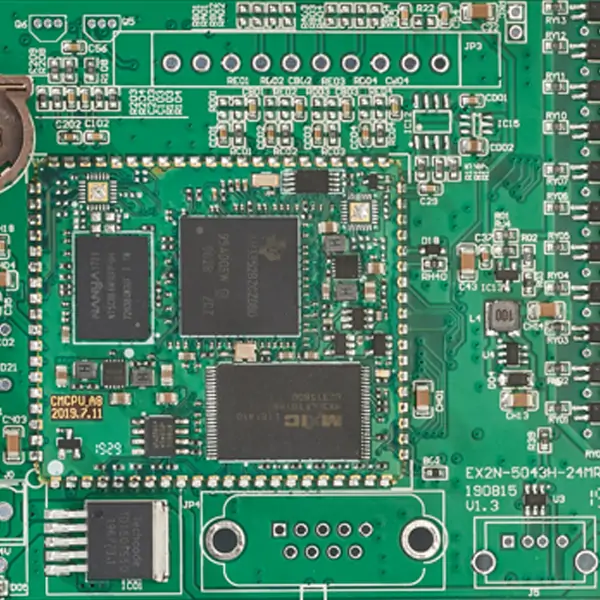
An audit should test the document against the floor. Pick three tasks from the plan and ask to see the matching records. Then watch the task performed and compare the method with the written text. If the operator uses a different tool or skips a step, the plan is out of date or was never trained. Either finding matters, because both mean the document no longer describes the process. Close the audit by checking that failed readings led to recorded actions.
Buyers should also check revision control. A plan that changes without a revision number cannot be audited, because no one knows which version ran during a past batch. Require a date, a revision and an approval for every change. This is basic document control, and it is the difference between a plan that guides work and a folder that satisfies a form. For teams moving a design to volume, the same care applies to turnkey PCB assembly partners who hold the whole build scope.
Common Gaps to Fix First
Most weak plans share the same gaps. Limits are missing, so tasks become subjective. Intervals are copied from a template and do not match the actual duty cycle. Records exist but are never reviewed. Training is assumed rather than scheduled. Each gap is cheap to close and each one removes a source of variation. Start with the equipment that touches the most boards, write real limits, and add a monthly review of the logs. That sequence delivers results faster than rewriting the whole document at once.
Language matters as much as structure. Replace vague verbs with actions a new operator can follow. Say measure the squeegee edge wear with the gauge and record the value, not check the squeegee. Say compare the profile with the approved file, not verify the oven. Plain wording reduces training time and makes audits quick. It also helps when the plan is translated, because short action sentences survive translation better than long descriptions.
Finally, connect the plan to design decisions. Layout choices affect how easily a board is built and maintained in production. Pad geometry, thermal balance and component spacing all change the process window. Teams that review these points early write a better plan later. Our PCB design and layout review covers these points before tooling, so the maintenance plan starts from a buildable design rather than patching problems after the first run.
The practical takeaway is simple. A maintenance specification earns its value when it names limits, owners, intervals and records, and when the floor follows it every shift. Ask any supplier for the document, one sample log and the last review date. If all three line up, the process is under control. If they do not, the quotation is missing a cost that will appear later as rework, delay or a field return.