Why Companies Choose GOPCBA for PCB Manufacturing
Buyers rarely choose a PCB supplier on price alone. They compare how each factory controls the process, records the result and answers questions when a build drifts. GOPCBA competes on that ground: fabrication and assembly under one roof, engineering review before tooling, and test records that travel with the lot. This article explains what the company actually does at each stage, where the risks sit, and what a buyer should verify before releasing a first order or a repeat run.
A PCB is only as good as the weakest step in its chain. Imaging, plating, etching, lamination, drilling and surface finish each leave a signature on the final board. Assembly then adds paste volume, placement accuracy and reflow profile to the same equation. GOPCBA plans the whole route rather than optimizing one machine, so a change at fabrication does not surprise the SMT line later. That joined-up planning is the first practical reason customers stay with the company across product generations.
Fabrication Capabilities That Matter
Most projects start with a standard multilayer board, and that is where volume and cost are won. GOPCBA builds rigid boards across common layer counts and copper weights, with controlled impedance where the design calls for it. The factory checks the stackup against the drawing before release, because an incorrect dielectric thickness quietly shifts every trace width on the inner layers.
Buyers should confirm the stackup, the surface finish and the tolerance class in writing, since these three choices drive both yield and unit price more than any other fabrication decision.
Higher-complexity work moves into HDI, high-frequency and rigid-flex territory. Each brings its own process risk: laser-drilled microvias need clean capture pads, low-loss laminates need careful lamination cycles, and flex regions need bend-radius planning. GOPCBA reviews these requirements at quotation, not after the panels are cut. Engineers should send the full fabrication drawing with the Gerbers, including drill tables and impedance targets, so the review can catch conflicts early. A short engineering question before tooling usually costs less than a scrapped lot.
Stackup and Material Decisions
Material choice sets the electrical and mechanical limits of the board. Standard FR-4 suits most digital designs, while high-speed links may need lower-loss laminates and tighter copper roughness control. Thermal demands push toward higher glass transition temperatures or metal-backed constructions. GOPCBA helps buyers match material to the real operating environment rather than to a habit. The question to ask is simple: what does the product actually see in the field, and which material property protects against that condition at a sensible cost?
Copper weight and layer count trade directly against price and lead time. Heavy copper helps current-carrying paths but complicates etching and drilling. Extra layers ease routing but add lamination cycles and cost. GOPCBA quotes these options separately so the buyer can see the trade. A design review that trims one unnecessary layer often pays for the engineering time many times over. Engineers should confirm the final stackup with the fabricator before layout freeze, because changes after routing begins are expensive on both sides.
Lamination and Drilling Control
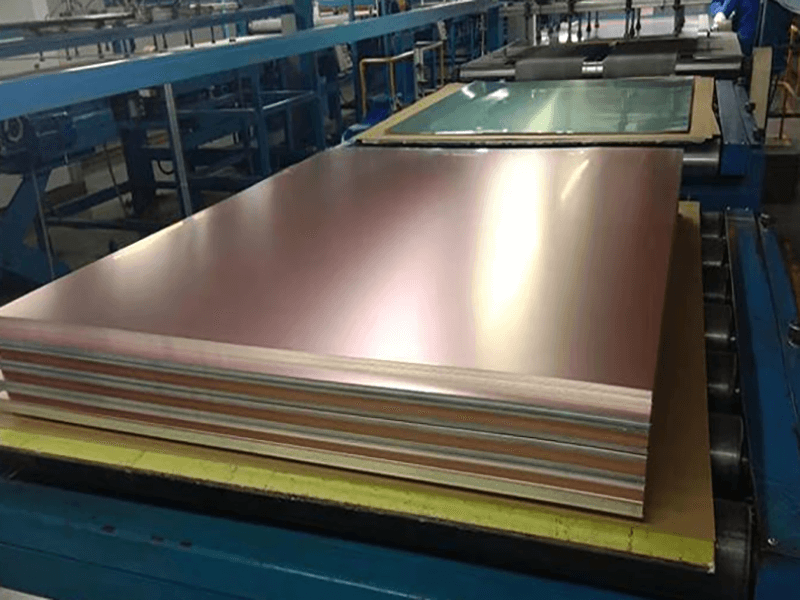
Lamination is where multilayer boards succeed or fail. Resin flow, pressure, temperature ramp and cooling all affect registration and voiding. GOPCBA controls these parameters with recorded recipes and checks panel thickness and registration after each press cycle. Buyers rarely see this step, yet it decides whether inner-layer connections survive thermal cycling in the field. Asking for the lamination recipe and the post-press inspection result is a fair request, and a supplier that answers with data rather than assurances is usually the safer partner for long production runs.
Drilling carries its own risk profile. Small holes, high aspect ratios and soft or brittle laminates each demand different parameters. Worn bits smear resin and damage pads, while aggressive feed rates crack plating in the barrel. GOPCBA monitors drill life and inspects hole walls on sample panels. For HDI work, laser-drilled vias get separate attention because a shallow capture pad fails only under test. Engineers should specify the aspect ratio and via structure clearly, so the factory can plan drill strategy and plating throw before the lot is scheduled.
Assembly Under One Roof
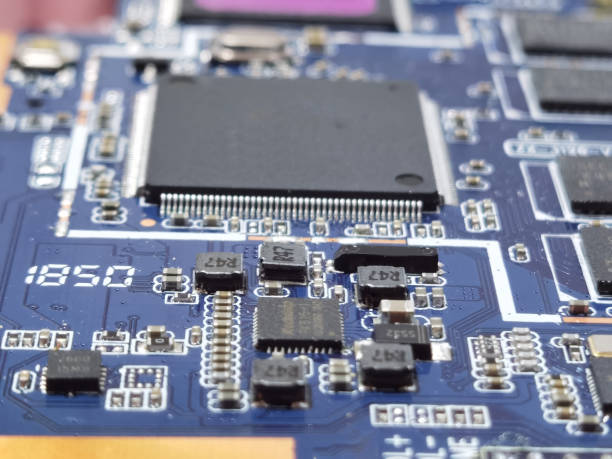
Keeping fabrication and assembly in one facility removes a common failure mode: two suppliers blaming each other for a defect. GOPCBA handles SMT PCB assembly with paste inspection, placement verification and reflow profiling on the same site that built the bare board. When a solder defect appears, the team can trace it back through the fabrication record without a third party in the middle. That short feedback loop is what turns a defect into a process fix rather than a credit note.
Component supply is often the real schedule risk. GOPCBA reviews the bill of materials for availability, alternates and lifecycle status before committing to a date. Approved alternates are agreed in advance, so a shortage does not stall the line. Buyers should confirm which parts are critical, which tolerances are negotiable and whether any item needs a specific manufacturer. Clear answers here prevent last-minute substitutions that pass inspection but change performance. The component procurement process works best when the buyer shares priorities early rather than after the kits are prepared.
Quality Management in Practice
Quality is a record, not a slogan. GOPCBA applies incoming inspection, in-process checks and final electrical test across the route. The quality management system ties each lot to its material certificates, machine programs and operator records. That traceability matters months later, when a field return arrives and the team needs to know which batch, which paste and which profile produced it. Buyers auditing a supplier should ask to see a sample lot record and judge whether it is complete, legible and produced as routine work rather than for the visit.
Inspection equipment only helps when its output feeds back into the process. Paste inspection data should adjust print parameters, and AOI results should trigger placement or reflow review. GOPCBA reviews defect trends at regular intervals and ranks the top causes for action. This discipline lowers defect rates gradually rather than in one dramatic step. Buyers should ask how often the review happens, who attends and what changed as a result. A supplier that can name recent improvements is usually managing the process; one that cannot is probably just inspecting output.

Prototyping and Volume Paths
Prototypes are the cheapest place to find problems. GOPCBA supports rapid PCBA prototyping so design issues surface before tooling and volume commitments. Early samples reveal pad geometry problems, component tolerance stack-ups and process behavior that no drawing shows. Buyers who treat the pilot run as part of the project reach stable production faster than those who rush to the big order. The prototype record also becomes the baseline for the first article, which makes later comparisons meaningful instead of anecdotal.
Moving from prototype to volume changes the economics and the risk. high-volume PCB assembly demands stable material supply, repeatable setups and test coverage that scales. GOPCBA plans the transition with the buyer, confirming panelization, fixture needs and test strategy before the ramp. A design that works in small batches can still stumble at volume if panel utilization is poor or test time is long. Reviewing those factors early protects both the schedule and the unit cost when demand grows.
What Buyers Should Verify
Before releasing an order, confirm the stackup, the surface finish, the tolerance class and the test plan in writing. Ask which inspections are recorded and whether the records ship with the lot. Check how engineering questions are raised and how quickly they are answered, because response speed during review predicts response speed during production. Confirm the delivery date against the material lead time, not against hope. These checks take an hour and prevent most of the disputes that sour a supplier relationship later.
For repeat orders, verify that nothing changed quietly. Material sources, stencil thickness, machine programs and inspection limits should all be under revision control. GOPCBA keeps these under document control so a repeat build matches the approved first article. Buyers should ask for the change notification process and test it with one small question. A supplier that answers clearly and promptly is managing change; one that answers vaguely is likely to let a substitution through unnoticed. That difference decides long-term reliability more than any single quotation figure.
The practical takeaway is straightforward. Choose a supplier that shows its process data, explains its tradeoffs and keeps fabrication and assembly close enough to fix problems fast. GOPCBA structures its work around those three points, from stackup review through final test. Send the Gerbers, the bill of materials and the operating conditions, and ask for a manufacturability review with a clear price and a firm date. Judge the answer on evidence, then place the first order with confidence.