PCB Resin Content Control: How Much Glue Is in the Glass
Modern electronics depend on boards that are assembled correctly the first time. Every product – a phone, a charger, a medical instrument or an industrial controller – relies on thousands of solder joints that must conduct current for years. This article explains PCB resin content control in plain language: what it is, why it matters in controlling resin content, and how a contract PCBA factory keeps it under control so that products ship without surprises.
1. A Short Checklist for PCB Resin Content Control
Before an order is placed it is worth walking through the points below with the supplier. Each one takes a few minutes to confirm and each one has a cost attached if it is discovered later.
1. Confirm the requirement in writing, including the tolerance that matters and the tolerances that do not, so the factory spends its effort where it changes the product.
2. Review the data before tooling is cut, because a question answered at that point costs an email and the same question answered later costs a new set of films.
3. Qualify the process for controlling resin content on a coupon or a first article and keep the measured result with the job record.
4. Measure the finished board against the drawing at the end of the line, and file the record with the lot so that a repeat order starts from a known point.
2. What PCB Resin Content Control Means in Practice
The flow, the thickness after lamination and the dielectric constant.
3. Why It Matters
Resin content that drifts moves the impedance of every line on the layer.
4. The Production Route in Practice
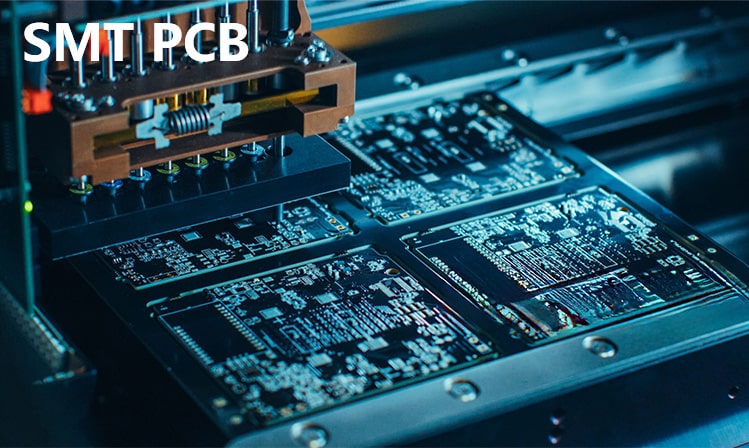
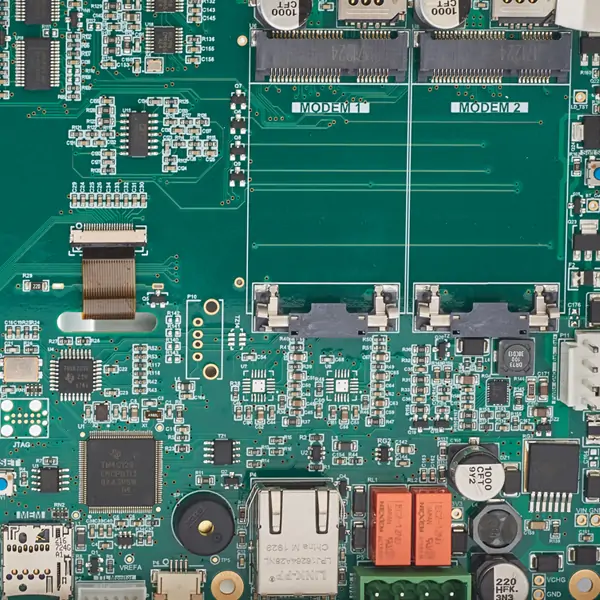
Practical control of the process starts with setup discipline. Operators verify the program, the tooling and the materials before the first board runs, and engineers monitor parameters during production rather than waiting for the end of the batch. Paste volumes, placement offsets and oven temperatures are compared with the specification, and deviations are corrected while they are still small. That routine keeps PCB assembly predictable even when the product mix changes.
5. Doing It
The content is specified with the supplier and checked on the incoming material.
6. Checks That Hold the Yield Steady
First article inspection plays a special role at the start of every order. The first board is checked against the design in detail: component values, orientation, polarity and solder quality are verified before the line continues, which prevents an entire batch from inheriting a setup error. After the run, every board passes automated optical inspection, and samples move on to electrical test so the solder joints and the circuit are both proven before packing; this combination is the core of a practical PCBA testing plan.
Traceability turns good intentions into proof. The factory records which program ran, which reels of paste and components were used, which operator handled the job and what the inspection found. When a field return arrives six months later, that record is the fastest way to find the cause, and it is the clearest evidence that a documented quality management system is working.
7. Applications Across Industries
Application experience also matters for manufacturability. A factory that has built similar products for PCB materials, fabrication and quality already knows the typical failure modes, the component pitfalls and the customer questions. That knowledge shortens the DFM review, avoids repeated trial batches and makes the transition from prototype to volume production much smoother for the buyer.

8. Working With an Assembly Partner
Most boards today are built by specialists rather than in house. The investment in printers, placement machines, reflow ovens and inspection equipment is large, and the engineering time needed to keep the process stable is easy to underestimate. A manufacturing partner spreads that cost over many programs and brings the same discipline to every customer, with supporting services such as high volume PCB assembly available from a single source.
The choice between suppliers comes down to behavior under pressure: how a factory reacts to a design question, a component shortage or a quality issue tells more than its brochure. Ask for defect data, test coverage and customer references, and confirm the quality plan in writing before you commit a program.
9. How gopcb Supports Your Build
At gopcb, process control is a habit rather than an exception. Every batch is printed, placed and reflowed against a written specification, inspected at the right stages and tested before packing. Our engineers speak the same language as your design team, so questions about pads, profiles and tolerances are answered quickly.
Contact gopcb with your design files today. We will confirm the manufacturability of your board, recommend the right assembly route and deliver quality boards on the schedule your product launch needs.
Prototypes are the cheapest place to make mistakes, and early samples teach more about controlling resin content than any quotation does. The first small batch reveals pad geometry problems, component tolerances and process behavior before thousands of boards are committed, so the DFM review and the pilot run should be treated as part of the project rather than as an extra expense. Buyers who invest in this stage almost always reach volume production faster and with fewer surprises than those who rush straight to the big order.
There is more to controlling resin content than the machines and materials visible on a factory tour. Temperature and humidity in the assembly area change the behavior of solder paste, and electrostatic discharge can damage sensitive components without leaving a visible mark. Professional factories control these conditions, ground every workstation and store moisture sensitive devices correctly, so the process produces the same result in summer and in winter. These environmental details rarely appear in a quotation, yet they decide whether a line runs at high yield all year or drifts with the seasons.
Documentation matters as much as hardware when it comes to controlling resin content. The factory should record which program ran, which reels of paste and components were used, which operator handled the batch and what the inspection found. When a field return arrives months later, that record is the fastest way to identify the cause and to prove that the fix reached the next batch. Buyers should ask for these records as a routine part of every order, because documents that are easy to produce on request are usually also kept honestly during production.
Nothing about controlling resin content is decided once and forgotten. Parameters drift, materials change and operators rotate, so the factory reviews its data continuously, ranks the top defects and removes them one by one. Factories that follow this discipline gradually lower their defect rates and shorten their lead times, while factories without data simply repeat the same mistakes at the same cost. The improvement review should happen at least monthly, with the same attendees and the same metrics, so progress stays visible and no problem waits for a crisis to be fixed.
Conclusion
Taken as a whole, PCB Resin Content Control is a question of routine rather than equipment. The factory that writes its settings down, checks the feature where it is created and keeps the record with the lot will hold its yield through a product mix change, a new shift or a busy quarter. That is why controlling resin content is worth reviewing at the quotation stage, when a change costs a conversation rather than a batch.
That covers everything in “PCB Resin Content Control: How Much Glue Is in the Glass”. If you need layout design, PCB fabrication, SMT assembly, component sourcing, stencil making, conformal coating, box build or functional testing, our engineering team can review your files and quote the work. Send your design data to gopcb and we will return a manufacturability review, a clear price and a firm delivery date.