
Make-Up Water: Design Rules and Process Limits
Make-up water is the water used to build a new plating bath or to bring an existing one back to volume, and its purity is part of the formulation whether or not the process sheet says so. A bath made with clean water starts where the analysis says it starts. The water is the largest single ingredient by volume in any fresh bath, so its quality sets the ceiling on what the chemistry can deliver.
The volume matters as much as the purity, because make-up is done to a concentration rather than to a level mark. Getting the volume wrong shifts every parameter in the tank at the same time, and the first analysis afterwards cannot tell which of them moved first. Make-up should be recorded at the time it is done, because the volume is impossible to reconstruct from the tank level afterwards.
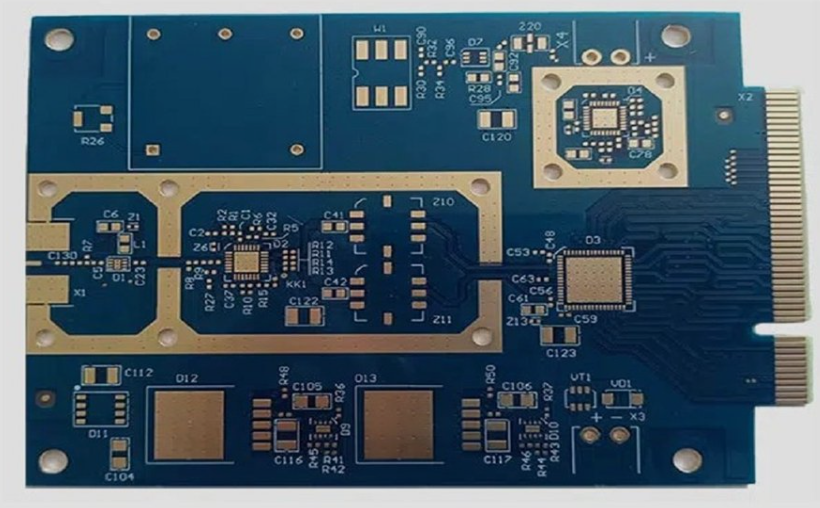
Why Make-Up Water Matters
Every litre of make-up water carries whatever is dissolved in it into the bath. Tap water brings hardness, chloride, silica and organic matter, and those additions do not appear on a plating bath analysis sheet even though they change how the bath behaves in service. A bath fed from a demineraliser will still take in whatever the pipework and the storage tank add on the way.
The effect is cumulative. A bath topped up from the mains for a year accumulates contaminants that no amount of additive dosing can offset, and the symptoms are the vague ones: dull deposits, poor throwing power and roughness that comes and goes. Conductivity meters should be calibrated against a standard solution, since a drifting cell reads low and hides a falling quality.
Purity and Conductivity
Purity is normally expressed as conductivity or its inverse, resistivity, and the specification for a plating bath is much tighter than the one for a rinse. Conductivity measures the total dissolved ionic content, so it is a fast and useful proxy for water quality. Bath specifications often quote a maximum conductivity for make-up water, and that figure should be checked before the tap is opened.
It is not a complete measure, because neutral organics and silica contribute little to conductivity while still affecting the deposit. That is why a water specification normally sets conductivity together with a limit on silica and on total organic carbon. A measuring tank or a flow totaliser is worth fitting, because a tank dipstick is not accurate enough for a make-up calculation.
Volume and Batch Make-Up
A new bath is made up in a batch, and the volume has to be measured rather than estimated from the tank dimensions. The volume enters the calculation for every chemical addition, so an error here is multiplied by the concentration of the whole recipe. The temperature of the water also matters, since a warm make-up will dissolve the chemicals differently from a cold one.
The order of addition matters as well. Water goes in first, the chemicals are added under agitation, and the additives go last because they are the most sensitive to temperature and to the order in which they meet the other components. Iron and copper are common contaminants in older pipework, and they plate out preferentially on the high current density areas.
Contaminants That Matter
Chloride is the classic contaminant for acid copper, because it is both an essential trace addition and a source of trouble above its window. Hardness adds calcium and magnesium that can precipitate, and silica is difficult to remove once it is in the tank. A cartridge filter should be sized for the flow rather than for the tank, because a starved filter passes particles it should hold.
Organic contamination is the hardest to see and the most damaging, because it co-deposits with the metal and produces a bright but brittle layer. Water treatment practice is described in process water treatment work. Bacteria in a storage tank form a biofilm that releases organic material into the water and contaminates the bath on every fill.
Filtration and Polishing
Filtration removes particles rather than dissolved ions, so it complements rather than replaces deionisation. A filter ahead of the make-up point catches resin fines, pipe debris and the particulate that would otherwise sit on the panel as a nodule. Pipework should be flushed after any maintenance, because a joint that has been opened will shed debris into the first litres.
A polishing loop after the primary treatment keeps the quality stable through the day, and it also protects the line from a resin bed that is about to break through. Filter elements should be changed on a pressure differential rather than on a calendar. Water quality is covered in DI water quality control notes. The first fill should be analysed before the rectifier is switched on, so that the baseline is a make-up figure rather than a running one.
Storage and Distribution
Treated water does not stay pure in an open tank. It takes up carbon dioxide from the air, which raises the conductivity, and it supports bacterial growth if it is held warm and still and in the dark. A start-up check should include the temperature and the level as well as the chemistry, since all three are set at the same time.
Storage vessels should be closed and vented through a filter, and the distribution pipework should be as short and as simple as the layout allows. Dead legs are the place where quality is lost between the treatment plant and the tank. The make-up analysis is also the reference for the first top-up, because it shows what the bath contained before it had done any work.
First Fill and Bath Start-Up
The first fill sets the baseline for everything that follows, so it should be done slowly and with the analysis taken before the first panel runs. A bath analysed after the first load has already been altered by drag-in and by drag-out. Records kept in a single bath history make a start-up fault visible in minutes rather than after a week of trial and error.
Specific gravity, conductivity and the main constituents should all be confirmed against the make-up calculation before production starts, and the results kept with the bath history. The reference values are covered in bath specific gravity control work. A bath that starts clean has a longer working life, and the difference is usually visible in the charge it can take before purification.
Records and Verification
The record should carry the volume of water used, its conductivity and the results of the make-up analysis, together with the batch numbers of every chemical added. That set is what allows a start-up fault to be separated from a running fault.
Acceptance of the plated work follows the criteria in the published IPC documents. The make-up record is the first document to open when a new bath never settles into specification.
FAQ
Can a plating bath be made up with tap water? It can, but the hardness, chloride and organics it brings stay in the tank and slowly change how the bath plates.
Is conductivity enough to specify water quality? No. It measures dissolved ions well, but it says nothing about silica or neutral organic contamination.
Why measure the make-up volume? Because the volume sets the concentration of every chemical in the recipe, so an error there is multiplied through the whole bath.