Selective Nozzle: 6 Setup Rules for Mini Waves
A selective nozzle is a small pump driven fountain that wets one joint at a time, and it exists because a wave is too coarse for a board that mixes fine surface mount parts with a few connectors. The nozzle produces a mini wave a few millimetres across, and the machine moves the board over it rather than passing the whole panel through solder.
Setting it up is a geometry exercise. The nozzle diameter has to match the pad, the wave height has to reach the barrel without flooding the top side, and the dwell time has to be long enough to fill and short enough to avoid damage. Each of those values can be measured and recorded.
How a Selective Nozzle Forms a Mini Wave
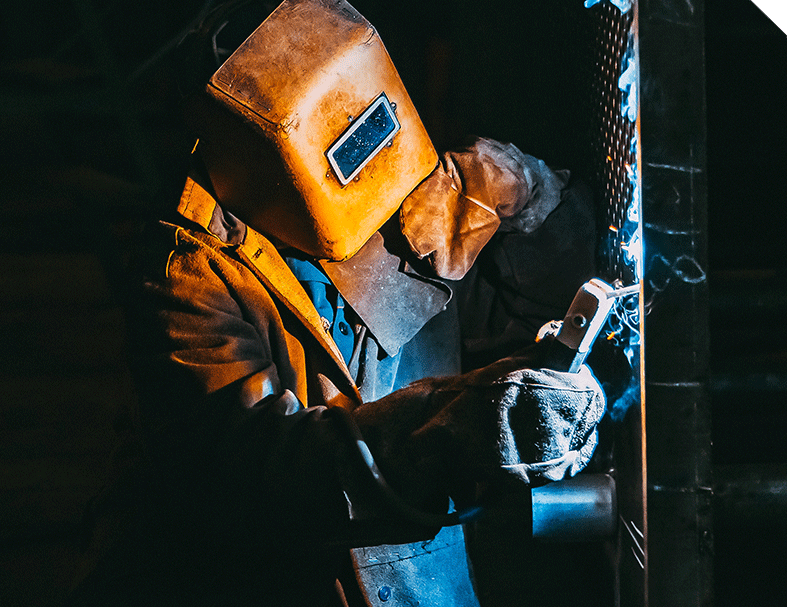
Solder is pumped through the soldering nozzle and spills over its rim, forming a dome that contacts the joint. The flow keeps the surface oxide moving and brings fresh alloy to the joint, which is why the nozzle is a pump rather than a static bath.
The dome height is controlled by the pump speed and by the nozzle geometry, and it has to stay stable for the whole program. A dome that pulses gives inconsistent fill, so wave stability is the first thing to confirm on a new setup, in the same way a wave soldering line is checked before production.
Nozzle Diameter Against Pad and Hole Size
The selective nozzle has to be larger than the pad so that the whole joint is wetted by the dome, and small enough that neighbouring joints are not touched. As a starting point, a diameter about 1.5 to 2 times the pad length keeps the dome on the target while leaving clearance to the next pin.
Pitch decides the ceiling. Where the pin pitch is 2.54 mm, a 6 mm nozzle may be comfortable; at 1.27 mm the same nozzle bridges two joints. The nozzle drawing should be checked against the densest connector on the board, and against the height of the tallest component near it, before the program is written.
Nozzle Type: Single, Multi Hole and Custom
Single nozzles are the most flexible and the slowest, because every joint is visited in turn. Multi hole nozzles solder several joints at once and suit a regular connector pattern, at the cost of a longer setup and a bigger thermal load on the board.
Custom shapes are made for a specific connector and give the best cycle time and the most repeatable result for high volume work. The choice is a trade between programming effort, cycle time and flexibility, and the general process is described in the selective soldering guide.
Dwell Time, Wave Height and Through-Hole Fill
Dwell time is the period the joint spends in contact with the mini wave. Too short and the barrel does not fill; too long and the laminate overheats, the mask blisters and the pad can lift. A typical window is two to four seconds for a standard barrel.
Wave height and dwell are set together, because a higher dome transfers heat faster and reaches fill in less time. Adjust the height first, then tune the dwell, and confirm the result by sectioning a sample rather than by looking at the top side fillet.
Flux Application and Preheating in Selective Soldering
Flux is applied as a droplet or a spray on the specific joint, and the volume has to be enough to activate the surfaces without leaving residue that will not be cleaned. Where the flux is applied by the same head that carries the nozzle, its condition affects the whole cycle.
Preheat brings the assembly to temperature before the nozzle arrives, and it is usually applied by a top side head or an infrared lamp. Under heating leaves the joint cold and unfilled, while over heating damages nearby plastic parts, so the profile should be measured on the board and kept in the selective soldering record.
Nozzle Materials, Wetting and Contamination
Soldering nozzles are made from stainless steel, titanium or coated alloys, and the choice follows how the alloy wets the material. A nozzle that the solder wets readily carries more oxide and clogs faster, while one that resists wetting keeps a cleaner rim.
Contamination in the pot affects the dome as much as the nozzle does. Iron and copper dissolve into the alloy over time, and the general controls described for solder pot contamination apply to selective machines with equal force.
Maintenance, Cleaning and Replacement
The selective nozzle should be cleaned at the end of every shift by removing the alloy from the rim and the bore while it is still warm, before the metal has a chance to set. Dross that is left to cool on the rim changes the dome shape and produces the sort of inconsistent fill that is blamed on the program.
Replacement is based on measurement rather than appearance. When a nozzle no longer holds its dome height at the recorded pump setting, or when the rim has been eroded, it is finished. The same dross management used for pot skimming on a wave machine keeps the interval predictable.
Programming, Offsets and Repeatability
The program has to know where each joint is, and the offsets are taught from fiducials on the panel. A panel that is positioned differently in the fixture moves every joint by the same amount, so the fixture and its pins are part of the nozzle setup.
Repeatability is the whole point of selective soldering. The same board run twice should give the same fill, and any drift should be traced to the nozzle, the pot or the fixture rather than corrected by editing the program, since editing hides the cause and it will return.
Verification, Coupons and Records
Verification is done by sectioning a sample joint and measuring the fill against the acceptance class, with a visual check on every board in between. A coupon built into the panel edge gives a section that costs nothing to destroy, and the same discipline used for board quality applies to the solder it contains, with the acceptance classes taken from the IPC soldering standards.
The record should carry the nozzle part number, the pump and dwell settings, the flux type, the pot analysis date and the section result. Where a customer requires a particular acceptance class, that class and the standard it comes from should be quoted on the traveler.
FAQ
How do I choose a selective nozzle diameter? Start between 1.5 and 2 times the pad length, then check that the dome does not reach the neighbouring pin at the pitch of the densest connector. Cycle time is a constraint, not the starting point.
Why does barrel fill vary from joint to joint? The usual causes are an unstable dome, a partly blocked nozzle, a pot that is low on alloy or a fixture that lets the panel move. All four are visible in the wave height measurement and the nozzle inspection.
Can one nozzle serve every joint on a board? It can on a board where the pad sizes and the pitches are similar, and a single nozzle program is the easiest to maintain. Where a fine pitch connector shares the panel with a heavy terminal, a second nozzle is usually faster than compromising the settings.