Single-Sided vs Double-Sided vs Multilayer FPC: What Are the Differences?
FPC, short for Flexible Printed Circuit, is also commonly called a flexible PCB or flex circuit.
The defining characteristic of an FPC is its flexibility. Compared with conventional rigid PCBs, flexible circuits are thinner, lighter, bendable, and capable of adapting to complex three-dimensional spaces. Depending on the material and construction, flexible circuits can support repeated bending and folding while maintaining electrical connections.
As electronic products become smaller, lighter, and more integrated, flexible circuits are increasingly used in smartphones, laptops, wearable devices, automotive electronics, industrial equipment, and other compact electronic products.
Like rigid PCBs, FPCs can be classified according to the number of conductive layers. The three common types are single-sided FPCs, double-sided FPCs, and multilayer FPCs.
Understanding the differences between these structures is important when selecting the right flexible circuit for a specific application.
1. Single-Sided FPC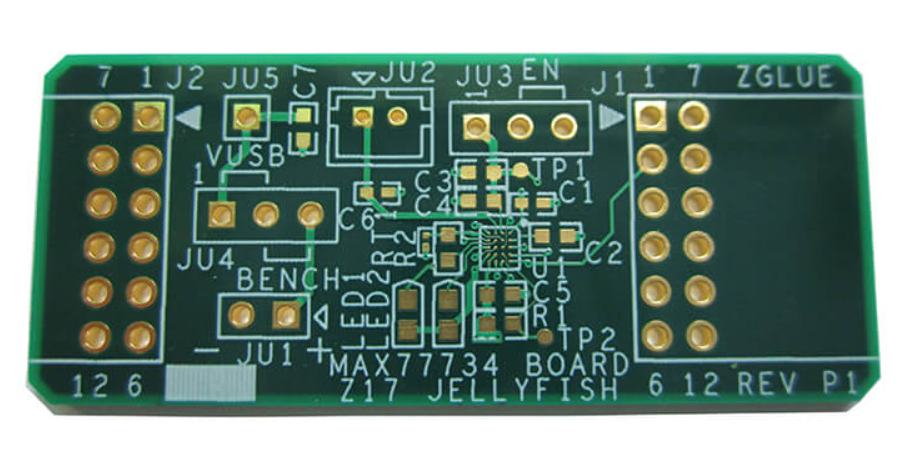
A single-sided FPC is the simplest type of flexible circuit. It contains one conductive copper layer formed on a flexible insulating substrate.
A typical single-sided FPC structure consists of:
- Flexible substrate
- Adhesive layer
- Copper foil
- Coverlay
- Surface finish
Polyimide (PI) is one of the most widely used substrate materials for flexible circuits. Other materials, such as polyester (PET) and other specialized flexible films, may also be used depending on the application requirements.
How Is a Single-Sided FPC Manufactured?
The manufacturing process generally begins with a flexible substrate and copper foil.
The copper foil is patterned through processes such as imaging and chemical etching to create the required conductive traces. The coverlay is then processed to expose the required pads and connection areas.
After cleaning and lamination, the exposed contact areas can receive a suitable surface finish, such as gold or tin, depending on the electrical, mechanical, and environmental requirements.
The completed flexible circuit can then be cut, punched, or routed into the required shape.
For applications requiring flexible circuits as part of a complete electronic product, Flex PCB Assembly can integrate flexible circuit manufacturing with component assembly and testing.
Advantages of Single-Sided FPC
Single-sided FPCs have a relatively simple construction, which provides several advantages:
- Simple manufacturing structure
- Lower production cost
- Good flexibility
- Lightweight construction
- Suitable for simple circuits
- Easy integration into compact products
Because they contain only one conductive layer, single-sided FPCs are best suited to applications where routing requirements are relatively simple.
Typical applications include industrial controls, electronic instruments, sensors, simple interconnects, and other products with limited circuit complexity.
2. Double-Sided FPC
A double-sided FPC contains conductive copper patterns on both sides of the flexible insulating substrate.
Compared with a single-sided FPC, the additional conductive layer significantly increases routing density and allows more complex circuits to be accommodated within a limited space.
How Does a Double-Sided FPC Work?
The two conductive layers can be electrically connected through plated through-holes or other interconnection structures.
During manufacturing, holes are drilled through the flexible substrate and copper layers. After cleaning and preparation, copper plating forms conductive walls inside the holes, creating electrical connections between the two copper layers.
The remaining manufacturing processes are similar to those used for single-sided flexible circuits.
A coverlay or other protective layer is generally applied to protect the conductive traces while leaving required pads and contact areas exposed.
Advantages of Double-Sided FPC
The main advantage of double-sided FPCs is increased circuit density.
Compared with single-sided structures, they can provide:
- More routing space
- Higher circuit density
- Greater design flexibility
- More complex electrical connections
- Better utilization of limited installation space
Double-sided FPCs are widely used in applications where a single conductive layer cannot provide sufficient routing capacity.
Typical applications include smartphones, automotive electronics, display modules, cameras, consumer electronics, and compact electronic devices.
For projects that combine flexible circuits with conventional rigid boards, rigid-flex technology can also provide an alternative solution when mechanical and electrical integration is required.
3. Multilayer FPC
A multilayer FPC contains multiple conductive layers separated by flexible insulating materials.
Multiple single-sided or double-sided flexible circuit layers are laminated together, while plated or other interconnection structures create electrical pathways between different layers.
This construction allows complex circuits to be integrated into a relatively small physical area.
How Is a Multilayer FPC Constructed?
The manufacturing process typically involves preparing individual flexible circuit layers, forming the required conductive patterns, aligning the layers, and laminating them into a multilayer structure.
Interlayer connections are then created through appropriate drilling and plating processes.
This structure eliminates the need for complex point-to-point wiring and allows electrical signals to travel between multiple conductive layers.
Multilayer FPCs are therefore suitable for electronic products where circuit density, space utilization, and electrical integration are important design requirements.
For more advanced PCB requirements, GOPCBA also provides PCB Manufacturing services covering flexible, rigid-flex, multilayer, HDI, high-frequency, and other advanced PCB structures.
Advantages of Multilayer FPC
Compared with single-sided and double-sided structures, multilayer FPCs can provide:
- Higher wiring density
- More compact circuit layouts
- Greater circuit integration
- Improved electrical connectivity
- Better support for complex electronic systems
However, adding more conductive layers also increases manufacturing complexity and generally reduces flexibility compared with simpler FPC structures.
The final design should therefore balance circuit density against bending requirements, thickness, reliability, and manufacturing cost.
Flexible Multilayer FPC: A Balance Between Density and Flexibility
A flexible multilayer FPC is designed to retain a higher degree of flexibility while providing multiple conductive layers.
One common approach is to bond selected portions of the multilayer structure while leaving specific areas unbonded. The unbonded sections can remain flexible and allow the circuit to bend or fold during product assembly.
This construction is particularly useful when a product requires both high circuit density and repeated mechanical movement.
Flexible areas can also use thinner insulating or protective materials to maintain the required bending performance.
The design of these flexible zones requires careful consideration of:
- Bend radius
- Copper thickness
- Layer structure
- Coverlay construction
- Trace routing
- Mechanical stress
- Dynamic or static bending requirements
Improper trace routing or excessive mechanical stress can reduce the service life of a flexible circuit.
Single-Sided, Double-Sided, and Multilayer FPC Comparison
The main differences between the three structures can be summarized as follows:
| Feature | Single-Sided FPC | Double-Sided FPC | Multilayer FPC |
|---|---|---|---|
| Conductive layers | 1 | 2 | 3 or more |
| Circuit complexity | Low | Medium | High |
| Wiring density | Low | Medium | High |
| Flexibility | Excellent | Very good | Depends on construction |
| Manufacturing complexity | Low | Medium | High |
| Cost | Lower | Moderate | Higher |
| Space utilization | Good | Better | Excellent |
| Typical applications | Simple circuits | Compact electronics | High-density electronics |
The appropriate FPC structure depends on the electrical design, mechanical constraints, available space, bending requirements, reliability targets, and production budget.
How to Choose the Right FPC Structure
Choosing between single-sided, double-sided, and multilayer FPC should begin with the actual requirements of the electronic product.
Choose Single-Sided FPC When:
- The circuit is relatively simple.
- Only one conductive layer is required.
- Maximum flexibility is important.
- Cost needs to be minimized.
- Routing density is relatively low.
Choose Double-Sided FPC When:
- One conductive layer is insufficient.
- More routing space is required.
- The product has limited installation space.
- Interlayer connections are needed.
- Circuit complexity is moderate.
Choose Multilayer FPC When:
- Circuit density is high.
- Multiple signal layers are required.
- Available installation space is limited.
- Complex electrical connections are necessary.
- The design requires greater integration.
When selecting the final structure, engineers should also evaluate manufacturing feasibility. Early DFM review can help identify issues related to material selection, layer alignment, trace geometry, bending areas, holes, and component assembly.
GOPCBA provides integrated PCB Assembly services for rigid, flexible, rigid-flex, multilayer, HDI, and other PCB technologies, helping customers move from PCB fabrication to component assembly through a coordinated manufacturing process.
Applications of FPCs
Flexible circuits are used across a wide range of industries because they can provide electrical connections while occupying less space than conventional wire harnesses or rigid circuit boards.
Consumer Electronics
Smartphones, tablets, laptops, cameras, wearable devices, and other compact consumer products commonly use flexible circuits for internal connections.
FPCs can connect displays, cameras, buttons, sensors, batteries, and other modules while allowing manufacturers to reduce product thickness and simplify internal layouts.
Automotive Electronics
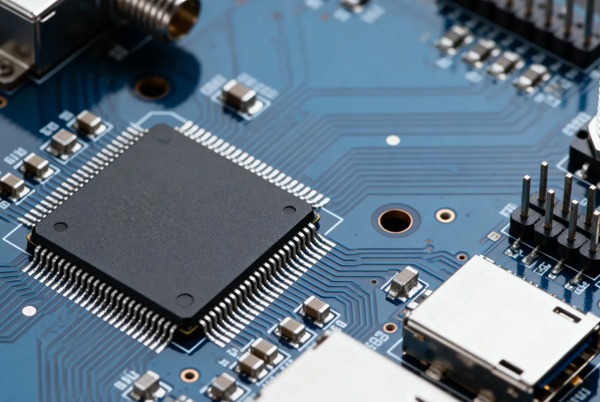
FPCs are increasingly used in automotive electronics because modern vehicles contain a growing number of sensors, displays, lighting systems, control modules, and battery-related electronics.
Flexible circuits can help simplify wiring in areas where conventional rigid boards or wire harnesses are difficult to install.
Industrial Electronics
Industrial control equipment, measurement devices, sensors, automation systems, and instrumentation can also benefit from flexible circuits.
The ability to route electrical connections through narrow or irregular spaces makes FPCs useful for compact industrial electronic assemblies.
Wearable Devices
Wearable electronics require extremely compact and lightweight interconnections.
FPCs can follow curved mechanical structures and help connect sensors, displays, batteries, and control circuits without adding significant bulk.
Aerospace and Other High-Reliability Applications
In applications where weight, space utilization, and reliability are important, flexible circuits can provide an alternative to conventional wiring and rigid PCB structures.
The appropriate material, layer structure, surface finish, and manufacturing process should be selected according to the environmental and reliability requirements of the application.
FPC Manufacturing and Assembly Considerations
The performance of an FPC depends not only on its circuit design but also on material selection and manufacturing control.
Important factors include:
- Flexible substrate material
- Copper thickness
- Number of conductive layers
- Minimum trace width and spacing
- Bend radius
- Coverlay thickness
- Via and hole design
- Surface finish
- Stiffener requirements
- Connector design
- Dynamic or static bending requirements
For complex flexible circuit projects, engineering review before production can help identify potential manufacturing and assembly issues.
GOPCBA provides DFM and DFA engineering support as part of its manufacturing services, helping customers evaluate PCB designs before production and assembly.
Conclusion
Single-sided, double-sided, and multilayer FPCs differ primarily in their conductive layer structures, circuit density, manufacturing complexity, flexibility, and application requirements.
Single-sided FPCs are suitable for simple circuits and applications where flexibility and cost efficiency are priorities.
Double-sided FPCs provide additional routing capacity and are suitable for moderately complex electronic products with limited installation space.
Multilayer FPCs provide the highest circuit density and are designed for complex electronic systems where space utilization and electrical integration are critical.
The best FPC structure is therefore not necessarily the one with the highest number of layers. Engineers should select the structure based on electrical requirements, mechanical movement, bending conditions, available space, reliability requirements, and manufacturing cost.
With integrated PCB Manufacturing Services and assembly capabilities, GOPCBA supports flexible, rigid, rigid-flex, multilayer, and other advanced PCB requirements from prototype development through production.