
SMT Assembly BOM: How the Bill of Materials Controls Production
Electronics manufacturing has become a discipline of small details. Solder paste volumes, placement accuracy, temperature profiles and inspection limits all add up to the final result.
The same discipline applies to SMT Assembly BOM, where a small process drift turns into a large yield loss.
This guide looks at SMT assembly BOM from the perspective of a PCBA factory floor, covering the bill of materials that controls an SMT production run and the checks that turn a capable line into a predictable one.
What a Production BOM Must Contain
A production BOM lists every component with its reference designators, description, quantity, manufacturer, part number, package and polarity notes.
Reviewing SMT Assembly BOM before the first article is built saves rework later in the run.
It should also carry approved alternates, RoHS and lead free flags, and any special instructions such as moisture sensitivity or ESD handling. When one line item is missing or wrong, purchasing, kitting and the placement program all inherit the error, so the BOM is treated as a controlled document from day one.
How the BOM Drives the Assembly Line
The BOM is the backbone of the whole operation.
Documenting SMT Assembly BOM keeps assembly, inspection and test teams working from the same numbers.
Kitting pulls parts against it, the placement machine program maps each reference designator to a feeder, and inspection programs compare what was assembled with what was ordered.
For SMT Assembly BOM, the figures that matter are measured rather than assumed.
Revision control is critical: when the design changes, the BOM revision, the Gerber set and the assembly drawings must change together, and the factory needs a clear change order before it mixes old and new parts.

Checking the BOM Against the Design
A careful factory cross-checks the BOM against the Gerbers during the DFM review, because the two files disagree more often than most buyers expect.
Every change in materials, stencils or profiles feeds back into SMT Assembly BOM.
A short checklist for SMT Assembly BOM is usually enough to catch problems before they reach the customer.
Part numbers that do not match the footprints, obsolete components and missing quantities are all caught at this stage. Buyers should also review alternates with the factory and update the BOM when a component goes end of life, so the line never stops for a part that cannot be sourced.
How the Process Runs on the Line
The result depends on the whole chain, not on any single machine.
Buyers who understand SMT Assembly BOM ask better questions during supplier audits.
The board design fixes pad sizes and spacing, the printer controls the solder volume, the placement machine positions every component and the reflow oven forms the joints.
Training and traceability both support SMT Assembly BOM on a busy production line.
Each step feeds the next one, which is why SMT PCB assembly should be reviewed as one complete process instead of a collection of separate operations.
Quality Checks That Keep Defects Away
First article inspection plays a special role at the start of every order.
The same discipline applies to SMT Assembly BOM, where a small process drift turns into a large yield loss.
The first board is checked against the design in detail: component values, orientation, polarity and solder quality are verified before the line continues, which prevents an entire batch from inheriting a setup error.
Reviewing SMT Assembly BOM before the first article is built saves rework later in the run.
After the run, every board passes automated optical inspection, and samples move on to electrical test so the solder joints and the circuit are both proven before packing; this combination is the core of a practical PCBA testing plan.
Traceability turns good intentions into proof. The factory records which program ran, which reels of paste and components were used, which operator handled the job and what the inspection found.
Documenting SMT Assembly BOM keeps assembly, inspection and test teams working from the same numbers.
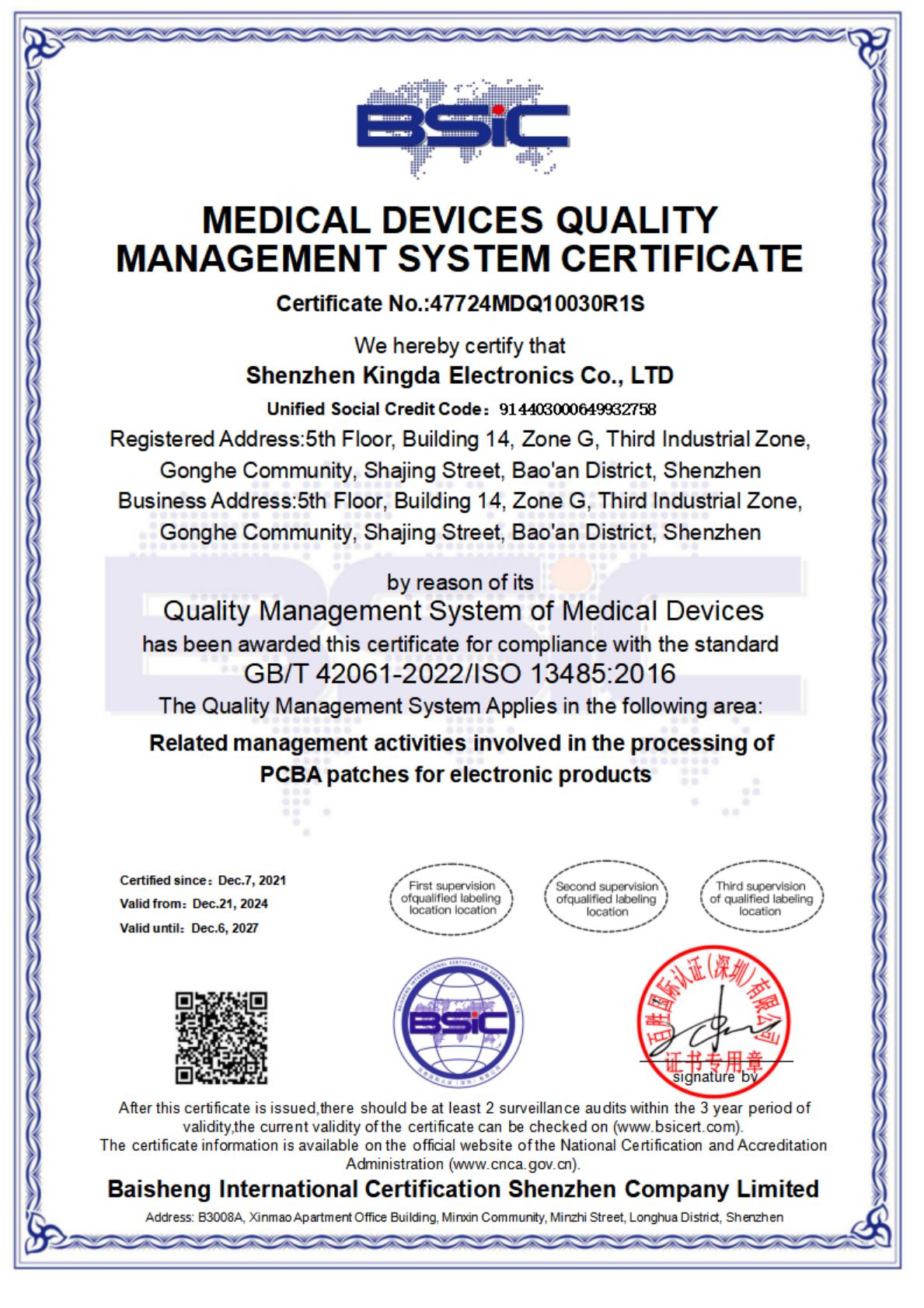
When a field return arrives six months later, that record is the fastest way to find the cause, and it is the clearest evidence that a documented quality management system is working.
Applications Across Industries
Application experience also matters for manufacturability.
For SMT Assembly BOM, the figures that matter are measured rather than assumed.
A factory that has built similar products for OEMs, design houses and procurement teams managing PCBA production already knows the typical failure modes, the component pitfalls and the customer questions.
Every change in materials, stencils or profiles feeds back into SMT Assembly BOM.
That knowledge shortens the DFM review, avoids repeated trial batches and makes the transition from prototype to volume production much smoother for the buyer.
Working With an Assembly Partner
A dedicated line only pays for itself when it runs constantly, and keeping process data, calibration records and quality documentation current takes engineering time that is easy to underestimate.
A short checklist for SMT Assembly BOM is usually enough to catch problems before they reach the customer.
Most product companies therefore choose a partner that spreads its equipment investment over many customers and offers services such as high volume PCB assembly and rapid PCBA prototyping under one roof.
When factories are compared, the price per board should never be the only number.
Buyers who understand SMT Assembly BOM ask better questions during supplier audits.
Process controls, inspection equipment, component sourcing and communication decide the real cost, and a partner that reviews files before production, reports risks honestly and keeps its delivery promises will always be cheaper in the long run than one that quotes low and surprises later.
Other Factors That Matter
The best factories treat the bill of materials that controls an SMT production run as a system rather than a checklist.
Training and traceability both support SMT Assembly BOM on a busy production line.
Every decision, from stencil cleaning frequency to test coverage, connects to the others, so a change in one area is checked against its effect on the rest. A faster placement speed may save time today and create tombstoning tomorrow, and a thicker stencil may fix opens while causing bridges.
The same discipline applies to SMT Assembly BOM, where a small process drift turns into a large yield loss.
That systems view, supported by data from inspection and test, is what turns a capable line into a predictable one over years of production.
Communication decides how well the bill of materials that controls an SMT production run matches the product intent. When the buyer shares the operating environment and the reliability target, and the factory answers with concrete process choices and test plans, small process changes are approved before they become quality incidents.
Reviewing SMT Assembly BOM before the first article is built saves rework later in the run.
Regular reporting during production keeps both sides aligned from prototype to volume, and a written summary of every change gives both parties a record they can trust at the end of the program.
Collecting data about the bill of materials that controls an SMT production run pays for itself quickly.
Documenting SMT Assembly BOM keeps assembly, inspection and test teams working from the same numbers.
Print reports, placement statistics, oven profiles and test results cost little to record, yet they turn arguments into decisions: when a customer complains, the batch record shows what actually happened, and when a process drifts, the trend line reveals it before scrap grows.
For SMT Assembly BOM, the figures that matter are measured rather than assumed.
Factories that treat records as part of the process rather than paperwork tend to find problems while they are still cheap to fix, and their customers see the difference in delivery performance and defect rates over time.
Every person touching the process needs training, and that rule applies fully to the bill of materials that controls an SMT production run.
Every change in materials, stencils or profiles feeds back into SMT Assembly BOM.
Operators must understand why a parameter window exists before they adjust it, inspectors must know what a real defect looks like, and engineers must be able to explain a change in the data. Factories that invest in training get faster responses to problems and fewer repeated mistakes, because knowledge on the floor is what turns written procedures into daily practice.
Suppliers and materials carry risks of their own, especially when it comes to the bill of materials that controls an SMT production run.
A short checklist for SMT Assembly BOM is usually enough to catch problems before they reach the customer.
A component that quietly changes its plating, a solder paste batch with different viscosity or a reel stored in humidity can all shift the process without any machine warning. Professional factories qualify their materials, check certificates of analysis and keep alternates approved in advance, so a supply change never becomes a quality incident on the production line.
Working With gopcb on Your Project
gopcb runs SMT lines supported by solder paste inspection, automated optical inspection and functional test in one facility.
Buyers who understand SMT Assembly BOM ask better questions during supplier audits.
SMT Assembly BOM: What to Check in Practice
The same discipline applies to SMT Assembly BOM, where a small process drift turns into a large yield loss.
Training and traceability both support SMT Assembly BOM on a busy production line.
Our engineers review your Gerber files and BOM before production, discuss the process options, and ship boards with test records that give you confidence in the field.
If you are planning a new product or moving an existing design to volume production, send gopcb your design files and requirements. You will receive a DFM review, a clear quotation and a schedule you can plan around – and boards that work the way they should.