SMT Paste Cartridge Handling: Thaw, Purge and Dispensing
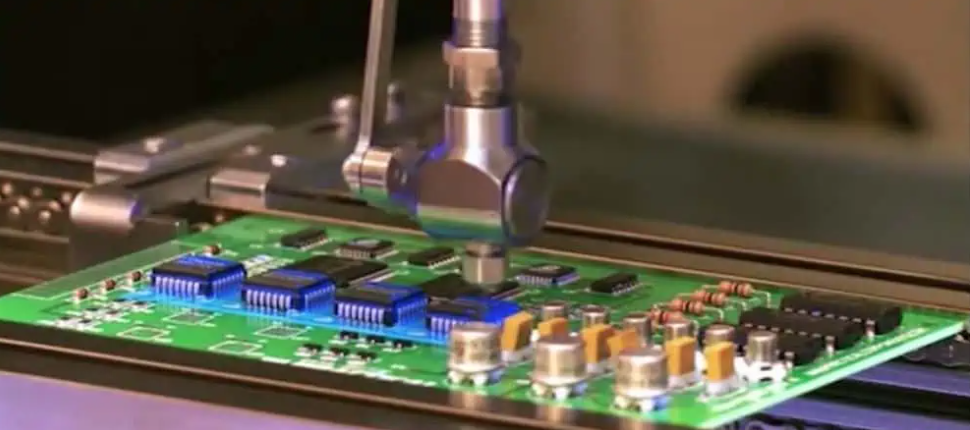
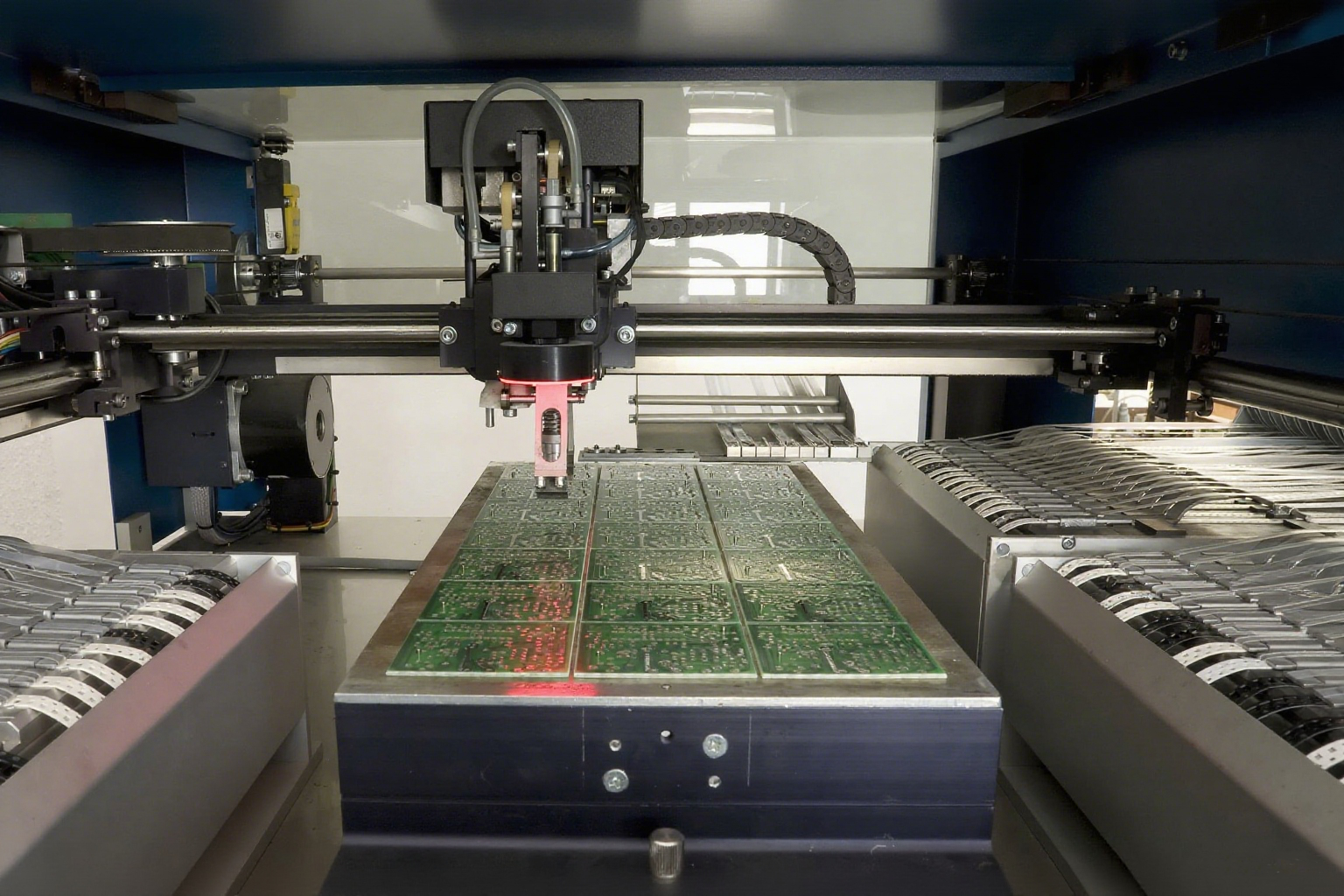
A paste cartridge feeds a dispenser or a jetting head instead of a stencil, and the cartridge becomes part of the machine rather than a container that is opened at the bench. That changes how the paste has to be stored, thawed and handled.
The cartridge is a closed system, which sounds simpler than a jar but removes some of the operator’s feedback. Paste problems that would be obvious in an open jar, such as a skin or a dry edge, have to be found from the dispensed result instead. That is why a volume check is worth more on a jetting line than on a printing line.

What the Paste Cartridge Changes
The cartridge removes the open surface, so solvent loss happens only at the nozzle. That slows the change in the paste and makes a long run more consistent, which is the main reason the format is used on high volume lines.
It also removes the ability to look at the paste. The operator can no longer see whether the material has separated or skinned, so the dispensed volume and the printed result become the only visible indicators. A cartridge that has separated will still dispense, but the deposits will vary in size through the run.
Storage and Shelf Life
Cartridges should be stored at the temperature the supplier specifies, usually refrigerated, and they should be kept sealed until they are needed. A cartridge that has been opened and left will lose solvent through the nozzle even when it is capped. Cartridge storage should therefore keep the nozzle upright and the cap tight until the moment of fitting.
Stock should be rotated so that the oldest cartridge is used first, and the expiry date should be read from the label. The same discipline that governs jars, described in solder paste expiry and mixing work, applies to the cartridge format. Rotation is easy to keep when the cartridges are dated as they arrive. A cartridge that has lost its date should be treated as the oldest in the store.
Thaw and Temperature Equalisation
A cartridge taken from the refrigerator has to reach room temperature before it is used, and it should reach it uniformly. A cartridge that is warm outside and cold in the middle will dispense at a different rate as the run goes on.
Thawing should be done upright with the cap on, and the time should be recorded rather than guessed. The cartridge should never be warmed quickly, because the paste components separate when they are heated unevenly. A cartridge warmed in front of a heater will separate before it is fitted.
Fitting and Air Purge
Fitting a cartridge is a small operation with a large effect. The seal has to seat, the plunger has to move freely and the nozzle has to be the one the programme expects, because a different nozzle changes the dispensed volume. The nozzle part number should be checked against the programme before the cartridge is seated. A nozzle changed without telling the programme is a common cause of a volume fault.
Air purge is used to remove the pocket of air that forms at the nozzle when a cartridge is changed. The purge should be done to a defined volume and into a waste cup, and the result should be checked before production resumes. A purge that is not verified is how the first board of a run ends up with short deposits.
Dispensing and Volume Control
Dispensed volume depends on the pressure, the nozzle, the paste viscosity and the dwell. The cartridge adds one more variable, which is the condition of the plunger seal, because a seal that leaks lets paste move backwards instead of through the nozzle. A seal that leaks also lets paste cure on the plunger, which makes the next change harder.
Volume should be verified on a schedule by weighing deposits or by measuring them, and the check should be repeated after each cartridge change. The comparison between formats described in paste jetting versus stencil printing work explains why the tolerance is different from a printed deposit.
Nozzle Care
The nozzle is the only part of the system that sees air, so it is where drying happens. A nozzle left uncapped during a break will skin over, and the first deposits after the break will be short or missing. Capping the nozzle during a break costs a few seconds and saves the first board of the next run.
Cleaning should follow the supplier method, and a blocked nozzle should be cleared rather than enlarged. The care taken with dispensing nozzles in paste bead control work is directly relevant.
Working Life in the Machine
A cartridge has a working life once it is fitted, and the clock starts when the seal is broken. Paste held in a warm machine ages faster than paste held in a jar on a bench, because the machine environment is usually warmer.
The limits should be written down and the time should be recorded, in the same way as the working life of a jar described in solder paste working life work. A cartridge that reaches its limit should be removed rather than topped up. A cartridge cannot be reworked at the machine, so the decision is simply whether it is still inside its life. The life should be counted from the moment the seal is broken rather than from the fitting time.
Records and Troubleshooting
The record should carry the cartridge lot, the thaw time, the fitting time, the nozzle, the purge volume and the volume verification result. With those fields, a volume fault can be traced to the cartridge rather than to the machine programme.
Where the process follows a published standard, such as the assembly documents from IPC, the storage limits should come from that source. Where a deposit becomes irregular, the checks in nozzle clogging causes work should be run before any change is made to the dosing settings.
Cartridge Condition and Faults
A cartridge fails in a few recognisable ways. The plunger seal leaks, the nozzle blocks, the paste separates or the cartridge is simply past its working life, and each of those produces a different pattern of deposits.
Deposits that fall away in volume suggest a seal or an air pocket, while deposits that stop entirely suggest a blocked nozzle or an empty cartridge. Recording the pattern makes the diagnosis quick, and it removes the temptation to adjust the dosing settings for a fault that is not in the settings. The pattern should be written on the run sheet so that the next operator starts from a description.
FAQ
Why thaw a paste cartridge upright? So that the paste reaches a uniform temperature without components separating. Thawing on its side can leave the material warmer on one side than the other.
Why purge a new cartridge? Because a pocket of air forms at the nozzle when it is fitted. The purge removes that air so that the first deposits are the volume the programme expects.
Can a partly used cartridge be stored for later? Only within the supplier working life and with the nozzle capped. Paste that has passed the limit should be discarded rather than returned to stock.