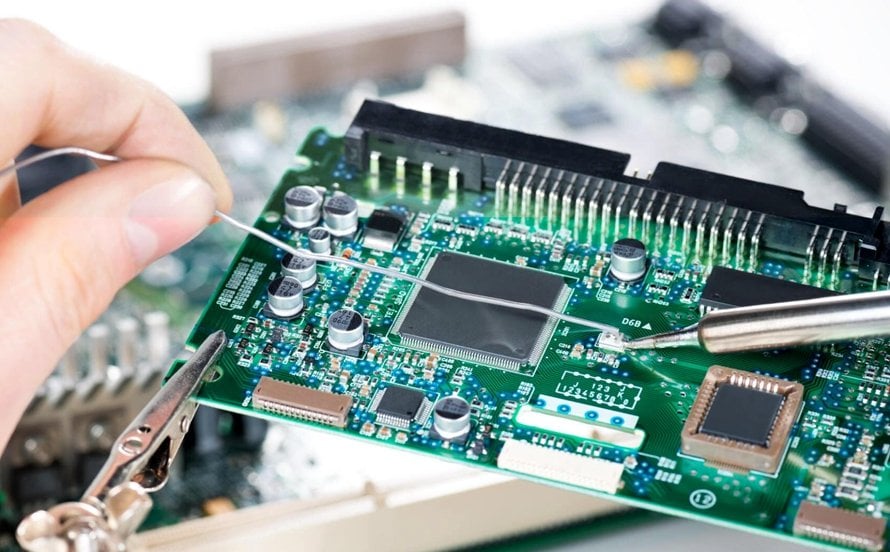
SMT Service Sourcing: How to Choose the Right Assembly Partner
Choosing an SMT service is not a search for the lowest quotation. It is a decision about who will hold your design data, buy your components, run your line and stand behind the boards when a problem appears. The right partner makes the transition from prototype to volume production predictable; the wrong one turns every order into a new negotiation. This guide sets out the checks that matter before a purchase order is placed.
Define the Real Scope First
A useful quotation starts with a clear scope. Does the service cover bare board fabrication, component sourcing, stencil making, SMT and through-hole assembly, testing, conformal coating and box build? A supplier that only places parts may be competitive on a simple board, but a turnkey partner can remove several handoffs and the delays that come with them.
Write down the expected volume, the mix of products and the delivery rhythm. A factory that is efficient at high-volume runs may not be the best choice for ten different boards with frequent changes. The sourcing decision should match the production model, not only the price per unit.
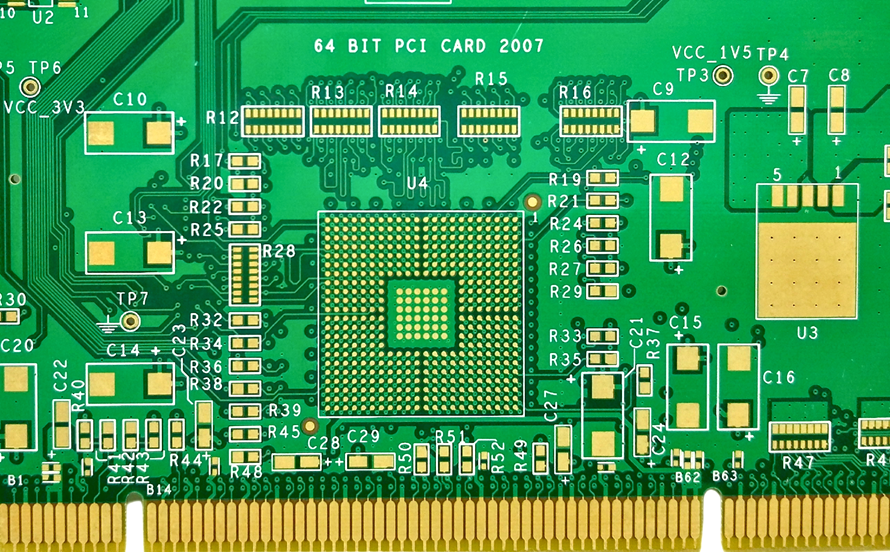
Check the Capability Behind the Quote
Ask which placement machines, reflow ovens, printers and inspection systems will run the job. The answer should include the practical limits: minimum component size, maximum board size, layer count, fine-pitch capability and the ability to handle double-sided assemblies. A good partner will also explain how it supports the board during printing and placement, because that detail often decides yield on thin or densely populated boards.
Equipment alone is not enough. The factory should show how it verifies programs, manages feeders and controls paste life. A short audit or a video walkthrough of the line tells more than a brochure, especially if the customer can see the quality management system in daily use.
New Product Introduction and DFM
The first article is where many programs succeed or fail. A strong partner reviews the Gerber data, the BOM and the assembly drawing before tooling, raises questions early and produces a first article that matches the approved sample. The customer should know who signs off the golden board, how deviations are recorded and how the program is transferred to volume production.
DFM feedback should be specific. “Please check” is not useful; a comment that a pad is too small for the selected package or that a fiducial is obscured by a connector is useful. That kind of review shortens the learning curve and prevents a pilot batch from becoming an expensive experiment.

Quality System and Traceability
Ask for the inspection plan, the defect data and the traceability records. The factory should know which program ran, which paste and component lots were used, which operator handled the batch and what the inspection found. When a field return arrives, those records are the difference between a quick root-cause analysis and a guessing game.
Certifications are useful, but they are not a substitute for evidence. A supplier that can show lot records, calibration logs and corrective actions is more convincing than one that lists certificates without explaining how the process is controlled.
Component Sourcing and Change Control
Component shortages make substitution tempting. A reliable partner proposes an alternate only after checking the electrical and mechanical impact, and it documents the change. The buyer should approve alternates in advance and should know whether the parts come from authorized distribution or the open market.
A component procurement service should also manage moisture-sensitive parts, date codes and packaging. The lowest part price can disappear quickly if the reel is counterfeit or the date code is too old for the process.
Communication and Change Control
Delivery performance depends on communication as much as machines. The partner should name a technical contact, answer questions in writing and report a schedule change before it becomes a missed shipment. Engineering changes should follow a simple written route: request, review, approval, implementation and record.
Ask how the factory handles a customer complaint. A clear containment, root-cause and corrective-action process is more valuable than a promise that “it will not happen again.” The best suppliers treat a complaint as data and use it to improve the next batch.
Working With gopcb
gopcb offers turnkey PCB assembly from data review through component sourcing, SMT, testing and delivery. Our engineers review the files before production, confirm the process route and provide a written quotation with the assumptions stated. Customers can compare the scope, not only the unit price.
If you are sourcing a new assembly partner, send your design files, BOM and expected volumes. We will return a manufacturability review, a practical schedule and a quality plan that shows how the boards will be checked before they leave the factory.