Medical PCB Manufacturer for High-Reliability Healthcare Electronics
Medical electronics require printed circuit boards that deliver consistent electrical performance, reliability, compact integration, and strict quality control. As a professional Medical PCB Manufacturer, GOPCBA provides PCB fabrication and assembly solutions for a wide range of healthcare and medical electronic applications.
From prototype development and engineering verification to production manufacturing, our capabilities support complex PCB requirements including multilayer boards, HDI structures, flexible circuits, rigid-flex designs, high-TG materials, controlled impedance, and other high-reliability PCB technologies. Our PCB Manufacturing Services support customers from initial design requirements through production.
For projects requiring both bare PCB fabrication and component assembly, PCB Assembly Services provide an integrated manufacturing route that can simplify supplier management and improve production consistency.
What Is a Medical PCB?
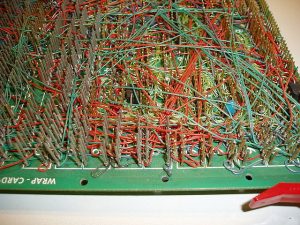
A medical PCB is a printed circuit board specifically designed and manufactured for electronic equipment used in healthcare, diagnostics, patient monitoring, treatment, laboratory analysis, and other medical applications.
A medical circuit board may serve as the electrical foundation for sensors, processors, communication modules, displays, motors, actuators, power-management circuits, and data-processing systems. Depending on the application, the PCB may need to support high signal integrity, compact dimensions, thermal stability, electromagnetic compatibility, and long-term operational reliability.
The design and manufacturing requirements vary according to the medical device, operating environment, electrical specifications, and applicable quality requirements. Therefore, selecting an experienced manufacturing partner is an important part of medical electronics development.
Key Advantages of Medical PCB Manufacturing
1. High Accuracy and Signal Integrity
Medical electronic systems often process sensitive measurements and signals. Accurate PCB fabrication, controlled impedance, stable materials, and appropriate routing help maintain signal quality and support reliable data acquisition.
For demanding applications, advanced manufacturing capabilities such as HDI, microvias, controlled impedance, and multilayer construction can help engineers achieve higher circuit density while maintaining electrical performance. GOPCBA’s PCB Capabilities cover a broad range of advanced PCB manufacturing requirements.
2. Reliable Long-Term Performance
Reliability is especially important for electronic systems used in healthcare environments. PCB materials, copper structures, solder joints, surface finishes, assembly processes, and inspection procedures all contribute to the long-term performance of the finished PCBA.
A robust manufacturing process helps reduce defects and maintain consistent electrical and mechanical characteristics throughout production.
3. Compact and Integrated Designs
Modern medical equipment is becoming smaller, lighter, and more portable. Wearable devices, handheld diagnostic equipment, portable monitors, and other compact products require efficient use of PCB space.
Multilayer, HDI, flexible, and rigid-flex technologies allow designers to increase circuit density while reducing the overall size and weight of electronic assemblies.
For applications requiring mechanical flexibility or three-dimensional integration, Flex and Rigid-Flex PCB Assembly can provide an alternative to conventional rigid PCB and cable-based interconnections.
4. Advanced Electronic Functions
Modern medical electronics may integrate sensors, wireless communication, embedded processors, displays, memory, data acquisition circuits, power management, and other technologies on a compact PCB assembly.
A capable manufacturing partner should therefore support not only PCB fabrication but also component sourcing, SMT assembly, through-hole assembly, testing, and engineering support.
5. Quality and Patient Safety
Medical electronics can operate in applications where reliability and product quality are critical. PCB manufacturing should therefore be supported by documented processes, controlled production conditions, inspection procedures, and appropriate quality management systems.
GOPCBA’s manufacturing capabilities include PCB fabrication, assembly, testing, and engineering support designed to help customers maintain consistent product quality throughout the manufacturing process.
Limitations and Challenges of Medical PCBs
Cost Considerations
Medical PCB projects can involve higher engineering, material, testing, and documentation requirements than conventional electronics. Small production volumes may also increase the unit cost because engineering and setup expenses are distributed across fewer boards.
For development programs and smaller production requirements, Low Volume PCB Assembly can provide a flexible approach for prototype validation and early-stage manufacturing.
Reliability Requirements
Medical PCB assemblies must maintain stable performance throughout their intended operating life. Component aging, thermal stress, vibration, humidity, contamination, and mechanical stress can affect PCB reliability.
Material selection, PCB construction, assembly quality, and appropriate testing should therefore be considered together rather than evaluated independently.
Electromagnetic Interference and EMC
Medical electronics can contain sensitive measurement circuits alongside wireless, digital, switching-power, or motor-driven systems. Electromagnetic interference can affect signal quality and system performance.
Engineers may need to consider controlled impedance, grounding, shielding, stack-up design, trace routing, component placement, and power integrity during PCB development.
Longer Development and Validation Cycles
Medical electronic products may require extensive engineering verification, testing, documentation, and quality controls before production. These requirements can extend development schedules compared with less regulated electronic products.
Early DFM review and prototype validation can help identify manufacturing issues before they become expensive production problems.
Material Selection
Medical PCB materials must be selected according to electrical, thermal, mechanical, environmental, and application-specific requirements.
Common PCB material options can include standard FR-4, high-TG FR-4, flexible materials, high-performance laminates, aluminum substrates, and specialty high-frequency materials. The appropriate material depends on the application’s operating conditions and electrical requirements.
Medical PCB Manufacturing Process
1. Engineering Review and DFM Analysis
The manufacturing process begins with an engineering review of the PCB design, Gerber files, stack-up, bill of materials, component specifications, and production requirements.
DFM analysis helps identify potential issues involving trace spacing, drill sizes, component footprints, solderability, panelization, assembly access, and other manufacturing constraints.
2. Material Selection
The PCB material is selected according to the electrical and mechanical requirements of the medical application.
Important considerations may include:
- Dielectric performance
- Thermal stability
- Mechanical strength
- Moisture resistance
- Layer count
- Operating temperature
- Signal frequency
- Required reliability
For high-density medical electronics, advanced materials and multilayer construction can provide greater routing flexibility and electrical performance.
3. PCB Fabrication
The PCB manufacturing process generally includes:
- Engineering review
- Material preparation
- Inner-layer imaging and etching
- Lamination
- Mechanical or laser drilling
- Through-hole copper plating
- Outer-layer imaging and etching
- Surface finishing
- Electrical testing
- Final inspection
Depending on the design, the board may incorporate blind vias, buried vias, microvias, via-in-pad structures, controlled impedance, or other advanced technologies.
4. PCB Assembly
After PCB fabrication, electronic components can be mounted using SMT, through-hole, or mixed-technology assembly processes.
GOPCBA supports different PCB assembly requirements, including prototype, low-volume, and production assembly. Prototype PCB Assembly can be used to validate medical electronic designs before moving into larger-scale production.
5. Inspection and Testing
Inspection and testing are essential for identifying manufacturing defects and verifying assembly quality.
Depending on the project, quality-control processes may include:
- Automated Optical Inspection (AOI)
- X-ray inspection
- Electrical testing
- In-circuit testing
- Functional testing
- Visual inspection
- First Article Inspection
- Reliability testing
The appropriate inspection strategy should be defined according to PCB construction, component technology, application requirements, and customer specifications.
Medical PCB Applications
Diagnostic Imaging Equipment
Medical PCBs are used in electronic systems supporting X-ray, CT, MRI, ultrasound, and other diagnostic technologies. These systems require reliable signal processing, data acquisition, control electronics, and communication interfaces.
Patient Monitoring Systems
Patient monitoring equipment can use PCBs to acquire and process vital-sign data such as heart rate, blood pressure, blood oxygen levels, and temperature.
Portable monitors, bedside systems, wearable devices, and remote monitoring equipment can all require compact and reliable PCB assemblies.
Therapeutic Equipment
Medical PCBs can be integrated into therapeutic equipment used for controlled electrical stimulation, energy delivery, treatment control, and other medical functions.
These systems may combine processors, sensors, power electronics, control circuits, and user interfaces on a single assembly or across multiple interconnected boards.
Surgical Equipment
Surgical electronics can incorporate PCBs into electrosurgical equipment, endoscopic systems, laser equipment, surgical imaging systems, robotic equipment, and other precision instruments.
Such applications often require compact construction, reliable control, accurate signal processing, and robust assembly quality.
Drug Delivery Systems
Electronic drug delivery equipment can use microcontrollers, sensors, communication modules, motors, and control circuits to manage dispensing and monitoring functions.
PCB design must accommodate the electrical, mechanical, and functional requirements of the complete device.
Implantable and Specialized Medical Electronics
Certain implantable and specialized medical devices require extremely compact electronic assemblies and carefully controlled materials and manufacturing processes.
These applications can place particularly demanding requirements on reliability, miniaturization, electrical performance, and environmental stability. The PCB manufacturing approach must be determined according to the specific device design and applicable regulatory requirements.
Laboratory Analyzers
Laboratory diagnostic equipment uses PCB assemblies for automated sample processing, sensing, data acquisition, analysis, motor control, communications, and user interfaces.
Examples include blood analyzers, immunoassay systems, biochemical analyzers, and molecular diagnostic equipment.
Patient Assistance Devices
Medical electronics can also be integrated into mobility, communication, rehabilitation, and assistive technologies.
Examples include electronic prosthetics, powered wheelchairs, communication assistance devices, rehabilitation equipment, and robotic assistance systems.
Remote Patient Monitoring
Connected medical equipment increasingly combines sensors, wireless communications, embedded processors, and cloud-connected systems.
These products require compact PCB architectures capable of supporting reliable sensing, communication, power management, and data processing.
Why Choose GOPCBA for Medical PCB Manufacturing?
Choosing a medical electronics manufacturing partner requires more than simply comparing PCB prices. Engineering capability, manufacturing technology, quality management, component sourcing, assembly expertise, testing, and production scalability should all be considered.
GOPCBA provides integrated PCB manufacturing and PCBA services for customers developing demanding electronic products. Our manufacturing capabilities cover PCB fabrication, component procurement, SMT assembly, through-hole assembly, testing, and finished-product integration.
According to the company’s published information, GOPCBA provides one-stop PCBA manufacturing services and supports customers in medical, automotive, industrial automation, AI, smart-home, security, power, and communication applications.
Integrated PCB and PCBA Manufacturing
Instead of managing separate PCB fabrication and assembly suppliers, customers can coordinate their project through an integrated manufacturing partner.
Our Turnkey PCB Assembly service can integrate PCB fabrication, component sourcing, assembly, inspection, testing, and delivery according to project requirements.
Advanced PCB Technology
Medical electronic products can require complex PCB structures. GOPCBA supports multilayer PCB, HDI, high-TG, high-frequency, flexible, rigid-flex, heavy-copper, metal-core, and controlled-impedance PCB technologies.
Engineering and Manufacturing Support
Engineering support throughout the product lifecycle can help identify manufacturing risks before production. DFM review, BOM verification, component analysis, stack-up evaluation, and manufacturing feasibility analysis can improve production efficiency and reduce unnecessary redesigns.
Flexible Production Volumes
Medical electronics often progress from engineering prototypes to pilot production and then volume manufacturing. A manufacturing partner should be able to support different stages without forcing the project into a single production model.
GOPCBA supports prototype, low-volume, and higher-volume PCB assembly requirements, providing flexibility as projects move through development and commercialization.
Frequently Asked Questions
What is a medical PCB?
A medical PCB is a printed circuit board designed for electronic equipment used in healthcare, diagnostics, monitoring, treatment, laboratory analysis, rehabilitation, and other medical applications.
What are the benefits of using medical PCBs?
The main benefits include reliable signal processing, compact electronic integration, improved system functionality, support for sensors and communication modules, and scalable manufacturing.
How does a medical PCB work?
A medical PCB electrically connects and controls components such as processors, sensors, power circuits, communication modules, memory, displays, motors, and other electronic devices. The exact function depends on the medical equipment in which the PCB is installed.
How should I choose a medical PCB manufacturer?
Evaluate the manufacturer’s PCB technology, material options, engineering support, assembly capabilities, inspection and testing processes, quality systems, production capacity, and experience with demanding electronic applications.
What PCB technologies are commonly used in medical electronics?
Depending on the application, medical electronics may use multilayer PCBs, HDI PCBs, high-TG PCBs, flexible PCBs, rigid-flex PCBs, controlled-impedance PCBs, high-frequency PCBs, and other specialized circuit-board technologies.
How are medical PCBs manufactured?
A typical process includes engineering review, DFM analysis, material selection, PCB fabrication, component procurement, SMT/THT assembly, inspection, electrical testing, functional testing, final inspection, and packaging.
What are the main challenges in medical PCB manufacturing?
Common challenges include high reliability requirements, miniaturization, signal integrity, EMC considerations, material selection, component availability, validation requirements, traceability, and maintaining consistent production quality.
Start Your Medical PCB Project with GOPCBA
Medical electronics demand reliable manufacturing, careful engineering, and consistent quality from prototype through production. Whether you need a compact monitoring PCB, multilayer diagnostic board, flexible medical circuit, or complete PCBA, GOPCBA provides PCB fabrication and assembly capabilities to support your project.
For your next Medical PCB Manufacturing project, provide your Gerber files, BOM, assembly drawings, and technical requirements to our engineering team for evaluation and quotation.