Automotive PCB: Design, Types, Manufacturing, Applications, and Future Trends
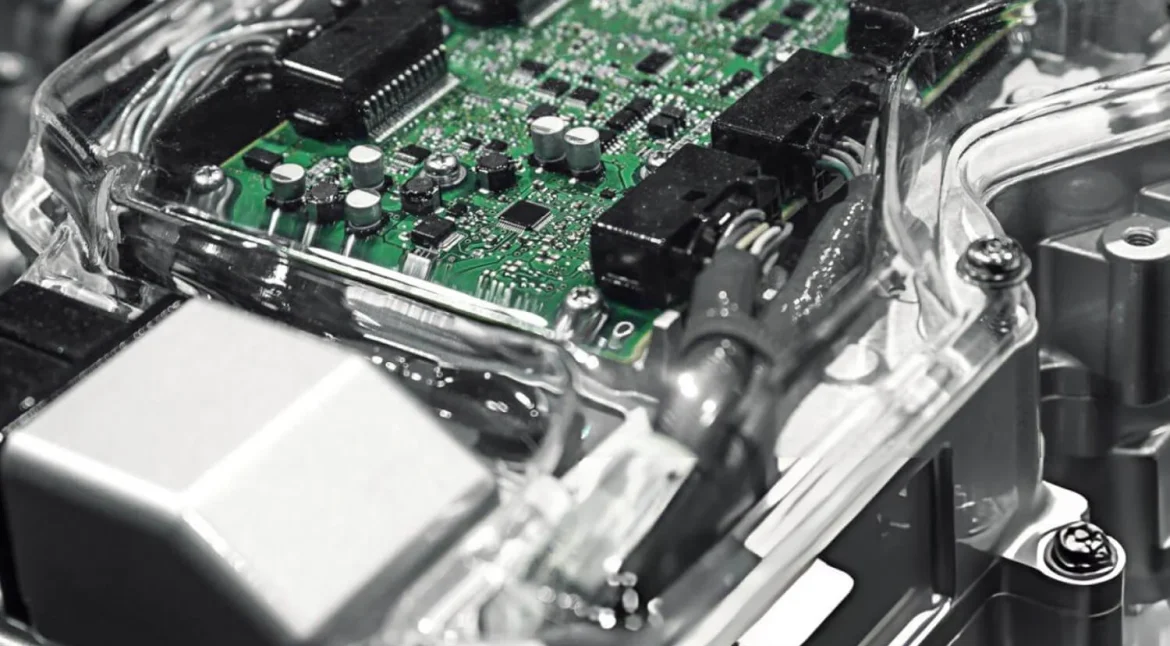
Modern vehicles are no longer simply mechanical machines. They have evolved into sophisticated computers on wheels, integrating hundreds of electronic control units (ECUs), sensors, communication systems, power electronics, and intelligent safety technologies. At the heart of this transformation is the automotive printed circuit board (Automotive PCB).
From managing engine performance and battery power to supporting advanced driver assistance systems (ADAS), infotainment, radar, LiDAR, and vehicle communication networks, automotive PCBs play a critical role in modern vehicle electronics.
Unlike conventional consumer electronics PCBs, automotive circuit boards must operate reliably under extreme temperatures, continuous vibration, mechanical shock, moisture, chemicals, and long service periods. Therefore, automotive PCB design and manufacturing require significantly higher standards for reliability, traceability, testing, and quality control.
This comprehensive guide explains what an automotive PCB is, its major types, design requirements, manufacturing process, applications, advantages, challenges, cost factors, and future development trends.
What Is an Automotive PCB?
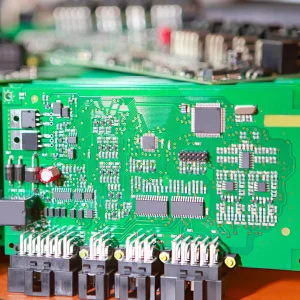
An automotive PCB is a specialized printed circuit board designed to support and interconnect electronic components used in automobiles and other road vehicles.
Automotive PCBs provide electrical connections between components while mechanically supporting devices such as microcontrollers, sensors, power semiconductors, connectors, communication modules, and control circuits.
They are used throughout modern vehicles, including:
- Engine control units (ECUs)
- Transmission control units
- Battery management systems (BMS)
- Advanced driver assistance systems (ADAS)
- Airbag control systems
- Anti-lock braking systems (ABS)
- Electric power steering
- Automotive lighting
- Infotainment systems
- GPS and navigation systems
- Radar and LiDAR systems
- DC/DC converters
- On-board chargers
- Vehicle networking and communication systems
The automotive environment is considerably more demanding than that of typical consumer electronics. An automotive PCB may need to withstand high and low temperatures, thermal cycling, vibration, mechanical shock, humidity, corrosive chemicals, and electromagnetic interference (EMI).
As a result, automotive PCB manufacturing focuses heavily on material selection, thermal management, mechanical reliability, signal integrity, electrical safety, and process traceability.
Types of Automotive PCBs
Different automotive systems require different PCB structures and materials. The appropriate PCB type depends on factors such as available space, electrical performance, operating temperature, current requirements, mechanical movement, and thermal load.
1. Rigid PCB
Rigid PCBs are widely used in automotive electronic systems where the circuit board does not need to bend or move.
They are commonly found in:
- Engine control modules
- Infotainment systems
- Instrument clusters
- Body control modules
- Lighting controllers
- Safety control units
High-Tg FR-4 and other automotive-grade laminate materials may be selected when the application requires improved thermal stability and long-term reliability.
2. Flexible PCB
Flexible PCBs (FPCs) are manufactured using flexible substrates such as polyimide. Their ability to bend and conform to irregular spaces makes them valuable in modern vehicle electronics.
Typical applications include:
- Door control modules
- Instrument panels
- Steering wheel electronics
- Automotive lighting
- Display connections
- Sensor assemblies
- Battery systems
Flexible circuits can reduce wiring complexity and save valuable installation space.
3. Rigid-Flex PCB
Rigid-flex PCBs combine rigid circuit sections with flexible circuit sections in one integrated structure.
This technology is particularly useful when automotive electronics must fit into complex three-dimensional spaces. It can reduce connectors, cables, wiring, and assembly steps while improving mechanical reliability.
Rigid-flex PCBs are increasingly attractive for compact sensor modules, control systems, battery electronics, and advanced vehicle interiors.
4. HDI PCB
HDI (High-Density Interconnect) PCBs use technologies such as laser-drilled microvias, fine lines, fine-pitch routing, and sequential lamination.
HDI technology allows automotive designers to integrate more functions into smaller circuit boards.
Typical applications include:
- ADAS
- Radar modules
- Navigation systems
- Camera systems
- Telematics
- Advanced infotainment
- High-density control modules
For compact automotive electronics, HDI can provide higher routing density while reducing PCB size.
5. Metal Core PCB
Metal Core PCBs (MCPCBs) typically use aluminum or copper as the thermal management core. They are designed to transfer heat away from high-power components more efficiently than conventional PCB structures.
Common automotive applications include:
- LED headlights
- Automotive lighting
- Power electronics
- Motor control
- DC/DC converters
- High-power modules
Aluminum-based MCPCBs are particularly useful when effective thermal dissipation is required without significantly increasing system size.
6. Heavy Copper PCB
Heavy copper PCBs use significantly thicker copper layers than standard circuit boards. They are suitable for applications requiring high current carrying capacity and improved thermal performance.
Typical applications include:
- EV power electronics
- Battery systems
- Motor controllers
- Power distribution
- DC/DC converters
- Charging systems
Heavy copper technology is becoming increasingly important as vehicle electrification increases current and power requirements.
Automotive PCB Design Requirements
Automotive electronics must operate reliably throughout the vehicle’s service life. Consequently, automotive PCB design requires careful consideration of electrical, thermal, mechanical, and environmental factors.
Thermal Management
Power components generate substantial heat during operation. Poor thermal management can accelerate component aging, cause solder joint fatigue, and reduce PCB reliability.
Automotive PCB designers may use:
- Thermal vias
- Copper planes
- Heavy copper layers
- Metal-core structures
- Heat sinks
- Thermal interface materials
- Optimized component placement
Thermal simulation and temperature testing can also help identify potential hotspots before production.
Vibration and Mechanical Reliability
Vehicles are continuously exposed to road vibration, mechanical shock, acceleration, and changing environmental conditions.
Components, solder joints, vias, connectors, and PCB substrates must therefore be designed to withstand mechanical stress.
Important considerations include:
- Secure component mounting
- Appropriate solder joint design
- Via reliability
- PCB thickness
- Board support
- Connector retention
- Flexible-zone bending requirements
EMI/EMC Protection
Automotive electronic systems operate in a highly complex electromagnetic environment. Motors, switching power supplies, ignition systems, wireless communication modules, and other electronic devices can generate electromagnetic noise.
Proper EMI/EMC design is therefore essential.
Typical techniques include:
- Continuous ground planes
- Controlled return paths
- Appropriate shielding
- Differential signaling
- Proper component placement
- Decoupling capacitors
- Controlled impedance
- Separation of noisy and sensitive circuits
These measures help prevent interference with safety-critical electronics and communication systems.
Trace Width and Spacing
PCB trace width must be carefully calculated according to current, copper thickness, temperature rise, and application requirements.
For high-current automotive power systems, designers may use wider traces, copper pours, multiple copper layers, or heavy copper technology.
Clearance and creepage distances must also be evaluated according to the applicable voltage and safety requirements, particularly in high-voltage EV systems.
Signal Integrity
Modern vehicles contain increasingly fast communication and sensing systems. Radar, cameras, LiDAR, Ethernet, and other high-speed interfaces require careful PCB layout.
Automotive high-speed PCB design may require:
- Controlled impedance
- Differential pair routing
- Short signal paths
- Proper layer stack-up
- Low-loss materials
- Controlled via structures
- Minimized crosstalk
- Optimized return paths
These measures are particularly important for radar and other high-frequency automotive applications.
Automotive PCB Standards and Certifications
Quality and reliability are critical in automotive electronics because PCB failures can affect vehicle safety and performance.
IATF 16949
IATF 16949 is a globally recognized quality management standard specifically developed for the automotive industry. It emphasizes defect prevention, continuous improvement, process control, and supply-chain quality.
For automotive PCB manufacturers, compliance with automotive quality management requirements demonstrates the ability to maintain consistent manufacturing processes.
ISO 26262
ISO 26262 addresses functional safety for electrical and electronic systems in road vehicles.
It provides a framework for identifying and managing safety risks throughout the product lifecycle. Although ISO 26262 is not simply a PCB manufacturing standard, PCB design, component selection, diagnostics, and manufacturing processes can all contribute to the functional safety of automotive electronic systems.
IPC-6012DA
IPC-6012DA provides additional requirements relevant to automotive applications and should be considered together with applicable IPC requirements when manufacturing automotive PCBs.
It places greater emphasis on reliability and manufacturing requirements for automotive circuit boards.
AEC-Q100 and AEC-Q200
AEC-Q100 and AEC-Q200 are qualification standards for automotive electronic components.
AEC-Q100 primarily addresses integrated circuits, while AEC-Q200 focuses on passive components. These qualifications help evaluate component reliability under automotive environmental stresses.
It is important to distinguish component qualification standards from PCB manufacturing standards: AEC-Q100/Q200 apply primarily to electronic components rather than the PCB itself.
Automotive PCB Manufacturing Process
A reliable automotive PCB manufacturing process requires strict process control from material selection through final inspection.
1. Material Selection
Material selection is one of the most important steps in automotive PCB production.
Depending on the application, manufacturers may use:
- Automotive-grade FR-4
- High-Tg laminates
- Low-loss/high-frequency materials
- Polyimide
- Metal-core materials
- Heavy copper constructions
Material selection depends on operating temperature, frequency, voltage, current, mechanical stress, and expected service life.
2. Inner-Layer Imaging and Etching
For multilayer PCBs, the inner copper layers are processed using imaging and etching technologies to create precise circuit patterns.
High manufacturing accuracy is essential because defects such as opens, shorts, insufficient copper, or dimensional deviations can compromise final board performance.
3. Lamination
During multilayer PCB production, individual cores, prepregs, and copper foils are laminated together under controlled temperature and pressure.
Proper lamination is essential for:
- Layer alignment
- Interlayer bonding
- Dimensional stability
- Electrical insulation
- Long-term reliability
Poor lamination can lead to delamination, voids, dimensional instability, and other reliability problems.
4. Drilling and Via Formation
Mechanical drilling and laser drilling are used to create through-holes, blind vias, and microvias.
For HDI automotive PCBs, laser-drilled microvias and sequential build-up technology can significantly increase routing density.
5. Copper Plating
After drilling, conductive material is deposited inside the holes and across the required surfaces.
Copper plating creates reliable electrical connections between PCB layers and is particularly important for multilayer and high-reliability automotive boards.
6. Solder Mask and Surface Finish
A solder mask protects copper circuitry and helps prevent solder bridges during assembly.
Depending on the application, surface finishes may include:
- ENIG
- ENEPIG
- HASL
- Immersion tin
- Immersion silver
The appropriate finish depends on solderability, reliability requirements, component pitch, environmental conditions, and cost.
7. PCB Assembly
During automotive PCB assembly, electronic components are mounted using SMT, through-hole technology, or a combination of both.
Process controls are critical for automotive electronics because solder defects can cause intermittent failures or premature product failure.
8. Inspection and Testing
Automotive PCBs require comprehensive inspection and testing.
Typical methods include:
- AOI (Automated Optical Inspection)
- X-ray inspection
- ICT (In-Circuit Testing)
- Flying-probe testing
- Electrical continuity testing
- Insulation resistance testing
- Thermal cycling
- Environmental testing
- Reliability testing
The exact test strategy depends on the PCB application and customer requirements.
Applications of Automotive PCBs
Automotive PCBs are now integrated into almost every major vehicle electronic system.
Powertrain Systems
Automotive PCBs are widely used in:
- Engine control units
- Transmission control units
- Motor controllers
- Fuel injection systems
- Power management modules
These boards must withstand substantial temperature and vibration while maintaining stable electrical performance.
Safety Systems
Safety-critical automotive systems rely heavily on reliable electronic control boards.
Examples include:
- Airbag control units
- ABS
- Electronic stability control
- Electric power steering
- Tire pressure monitoring systems
- ADAS
Failure prevention and traceability are particularly important in these applications.
Body Electronics
Automotive PCBs are also used throughout vehicle body systems, including:
- Power windows
- Door control modules
- Seat controls
- Mirror controls
- HVAC systems
- Lighting
- Wiper systems
Flexible and rigid-flex PCBs are particularly useful where space is limited or mechanical movement is involved.
Infotainment and Connectivity
Modern vehicles increasingly resemble connected computing platforms.
Automotive PCBs support:
- GPS
- Navigation
- Bluetooth
- Wi-Fi
- Cellular communication
- Digital dashboards
- Touchscreen displays
- Vehicle Ethernet
- Telematics
These systems require high-speed signal integrity and effective EMI/EMC control.
Electric Vehicles and Hybrid Vehicles
The transition from internal combustion engines to EVs and HEVs is creating new demand for high-performance automotive PCBs.
Major applications include:
- Battery management systems
- Inverters
- Motor controllers
- DC/DC converters
- On-board chargers
- Charging interfaces
- High-voltage power distribution
These applications often require heavy copper, high-voltage insulation, advanced thermal management, and robust electrical safety design.
Advantages of Automotive PCB Manufacturing
The growth of automotive electronics has created significant demand for high-reliability PCB technologies.
1. Improved Vehicle Safety and Reliability
Professional automotive PCB manufacturing helps ensure that critical systems operate consistently under demanding environmental conditions.
Reliable PCBs support systems such as:
- ABS
- Airbags
- Electronic steering
- ADAS
- Battery management
- Vehicle stability control
Improved reliability can reduce failure rates and contribute to longer vehicle service life.
2. Miniaturization and Space Efficiency
Modern vehicles contain an increasing number of sensors, processors, cameras, displays, and communication devices.
HDI, rigid-flex, and flexible PCB technologies enable engineers to integrate more functions into smaller spaces.
This can reduce:
- PCB size
- Cable length
- Connector count
- Assembly complexity
- Overall system weight
3. Improved Energy Efficiency
Automotive PCBs play an important role in power management.
In EVs and HEVs, efficient PCB design can improve power conversion and battery management while minimizing electrical losses.
Replacing portions of traditional wiring with lightweight PCB-based interconnect solutions can also contribute to packaging efficiency and weight reduction.
4. Superior Thermal Performance
Power electronics generate significant heat.
Heavy copper PCBs, metal-core PCBs, thermal vias, copper planes, and advanced heat dissipation structures can help transfer heat away from high-power components.
Effective thermal management improves reliability and helps maintain stable electrical performance.
5. Support for ADAS and Advanced Vehicle Technologies
High-speed and high-frequency automotive PCBs are essential for advanced sensing and communication systems.
They support:
- Radar
- LiDAR
- Cameras
- Ultrasonic sensors
- Vehicle Ethernet
- ADAS processors
These technologies enable features such as adaptive cruise control, lane departure warning, lane keeping assistance, collision avoidance, and automatic emergency braking.
Challenges in Automotive PCB Manufacturing
Despite rapid technological development, automotive PCB production faces several major challenges.
Zero-Defect Quality Requirements
Automotive electronics have a direct relationship with vehicle reliability and, in some cases, safety.
Unlike many consumer products, automotive electronics are expected to operate reliably for many years under harsh conditions.
Manufacturers therefore require rigorous process control, inspection, testing, traceability, and continuous improvement.
Increasing Miniaturization
Automotive systems are becoming more intelligent while available installation space remains limited.
This drives demand for:
- HDI PCBs
- Microvias
- Fine-pitch routing
- High-density component placement
- Rigid-flex structures
- Advanced multilayer stack-ups
Manufacturers must achieve higher density without compromising manufacturability and reliability.
Long Service Life
Automotive PCBs may be expected to remain operational for well over a decade.
Long-term reliability therefore requires careful consideration of:
- Thermal cycling
- Solder fatigue
- CAF resistance
- Copper migration
- Via reliability
- Moisture resistance
- Mechanical stress
- Material aging
Complex Supply-Chain Requirements
Automotive customers typically require stronger traceability and process documentation than many conventional PCB applications.
Manufacturers may need to maintain detailed records for materials, production batches, testing, process parameters, and quality inspections.
Cost Factors in Automotive PCB Manufacturing
The price of an automotive PCB depends on numerous technical and manufacturing factors.
Substrate Material
Standard FR-4 is generally more economical than specialized high-Tg, low-loss, high-frequency, polyimide, or other advanced materials.
The required material depends on application conditions rather than price alone.
Number of Layers
Increasing the number of PCB layers generally increases material consumption, manufacturing complexity, processing time, and inspection requirements.
HDI and sequential lamination can further increase manufacturing costs.
Copper Weight
Higher copper weight increases material consumption and may require specialized etching and plating processes.
Heavy copper is particularly relevant to EV power electronics and high-current automotive applications.
Surface Finish
The selected surface finish also affects manufacturing cost.
ENIG, ENEPIG, immersion tin, immersion silver, and other finishes have different material and processing costs and should be selected according to application requirements.
Testing Requirements
Automotive applications often require more extensive testing than standard consumer electronics.
AOI, X-ray, ICT, electrical testing, thermal cycling, vibration testing, and environmental qualification can all affect total manufacturing cost.
Production Volume
Prototype, low-volume, and mass-production requirements have different cost structures.
A qualified automotive PCB manufacturer should be able to optimize manufacturing processes according to both technical requirements and production volume.
Future Trends in Automotive PCB Technology
The automotive industry is moving toward electrification, intelligent driving, connected vehicles, and increasingly sophisticated electronic architectures.
Growth of High-Voltage EV PCBs
As EV power systems increasingly use 400 V and 800 V architectures, PCB requirements are shifting from conventional low-voltage signal processing toward high-voltage and high-current power management.
Future EV PCBs will increasingly incorporate:
- Heavy copper
- Advanced insulation systems
- Improved creepage and clearance
- High-voltage connectors
- Advanced thermal management
- High-current power distribution
These technologies are essential for battery systems, inverters, on-board chargers, and DC/DC converters.
ADAS and High-Frequency Signal Integrity
Advanced driver assistance systems depend on large amounts of sensor data generated by radar, cameras, LiDAR, and other sensors.
This is increasing demand for high-frequency automotive PCBs with:
- Controlled impedance
- Low-loss materials
- High-density routing
- Optimized stack-ups
- High-speed interfaces
- Improved EMI/EMC performance
Increased Use of HDI and Advanced Packaging
As automotive electronic modules become smaller and more powerful, HDI technology will become increasingly important.
Microvias, fine lines, fine-pitch routing, and sequential build-up technologies can help designers achieve higher functionality within smaller packages.
Greater Integration of Power and Control Electronics
Future automotive systems will increasingly integrate sensing, computing, power management, and communication functions.
This trend will require PCB manufacturers to combine high-speed signal integrity, thermal management, power delivery, and mechanical reliability within increasingly compact designs.
Software-Defined Vehicles
The development of software-defined vehicles is also increasing the importance of high-performance computing and communication hardware.
Centralized vehicle computing, automotive Ethernet, zonal architectures, and connected vehicle systems will create new requirements for high-density, high-speed, and highly reliable PCB technologies.
Why Choose Kingda for Custom Automotive PCB Manufacturing?
Kingda is committed to transforming complex PCB designs into reliable, manufacturable products for demanding applications.
As an experienced automotive PCB manufacturer, Kingda understands that automotive circuit boards require more than standard PCB production. They require strict process control, reliable materials, advanced manufacturing capabilities, comprehensive inspection, and engineering support.
Kingda can support demanding automotive PCB requirements, including:
- High-reliability multilayer PCB manufacturing
- HDI and microvia technology
- Heavy copper PCB solutions
- High-voltage PCB solutions
- Flexible and rigid-flex PCB manufacturing
- Advanced thermal management
- High-frequency PCB technology
- EMI/EMC-conscious PCB design support
- Automotive PCB assembly
- Comprehensive electrical and quality testing
- Production traceability and process control
For automotive projects, engineering collaboration should begin before production. Design-for-manufacturing (DFM), material selection, stack-up optimization, thermal analysis, impedance requirements, copper distribution, and reliability considerations can all be reviewed early to reduce manufacturing risks.
With extensive experience serving demanding industries such as automotive, aerospace, medical electronics, industrial automation, and other high-reliability applications, Kingda provides PCB solutions designed around performance, consistency, and long-term reliability.
How to Choose the Right Automotive PCB Manufacturer
Selecting the right automotive PCB supplier is an important decision for any vehicle electronics project.
Before choosing a manufacturing partner, consider the following factors:
1. Automotive Quality Management
Verify whether the manufacturer has appropriate automotive quality management systems and production controls, including IATF 16949 where applicable.
2. Manufacturing Capability
Confirm that the manufacturer can support your required:
- Layer count
- Copper thickness
- HDI structures
- Microvias
- High-Tg materials
- High-frequency materials
- Flexible PCB
- Rigid-flex PCB
- Heavy copper PCB
3. Testing and Inspection
A reliable supplier should have appropriate inspection and testing capabilities for your application.
4. Traceability
Automotive projects often require strong material and process traceability. Ask how the manufacturer manages production records, material batches, inspection data, and quality documentation.
5. Engineering Support
A capable automotive PCB manufacturer should not simply manufacture the Gerber files. It should also be able to identify potential DFM, thermal, impedance, manufacturability, and reliability issues before production.
Conclusion
The automotive PCB has become one of the fundamental technologies driving the transformation of modern vehicles. From engine control and safety systems to EV battery management, infotainment, radar, LiDAR, and ADAS, automotive circuit boards are responsible for connecting and controlling many of the electronic functions that define today’s vehicles.
As vehicles become increasingly electric, connected, intelligent, and software-driven, PCB requirements will continue to evolve. High-voltage power electronics, heavy copper, HDI, high-frequency materials, rigid-flex technology, advanced thermal management, and high-speed signal integrity will become increasingly important.
At the same time, automotive PCB manufacturing must maintain strict standards for reliability, quality, traceability, and long-term performance.
Choosing an experienced automotive PCB manufacturer such as Kingda can help ensure that your circuit boards are designed and manufactured to meet the demanding electrical, mechanical, thermal, and environmental requirements of modern automotive electronics.
Whether you are developing an EV battery management system, ADAS module, automotive control unit, radar system, lighting controller, or other vehicle electronics, selecting the right PCB technology and manufacturing partner is an essential step toward building a reliable and production-ready automotive product.