Custom Automotive ECU PCB Manufacturing Services
March 17, 2026
In the rapidly evolving automotive electronics industry, custom automotive ECU PCB manufacturing services are vital for ensuring the reliability and performance of vehicle electronic systems. The automotive ECU (Electronic Control Unit) serves as the brain of modern vehicles, managing engine control, safety systems, and advanced driver-assistance systems (ADAS). Choosing a professional PCB manufacturer like gopcb ensures high-quality, customized solutions that meet strict automotive industry standards.
In 2026, demand for high-reliability automotive ECU PCBs continues to grow, with prices ranging from approximately $45 to $250 per board, depending on layer count, materials, and production volume.
1. What Is Custom Automotive ECU PCB Manufacturing Service?
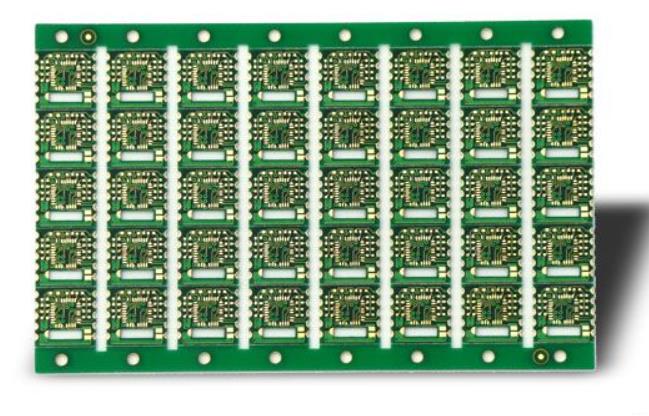
Custom automotive ECU PCB manufacturing services encompass the design, fabrication, and assembly of printed circuit boards specifically engineered for automotive control units. Unlike standard PCBs, custom ECU boards must withstand high temperatures, vibration, and electromagnetic interference (EMI/EMC), making them essential in internal combustion engine vehicles, electric vehicles, and autonomous driving systems.
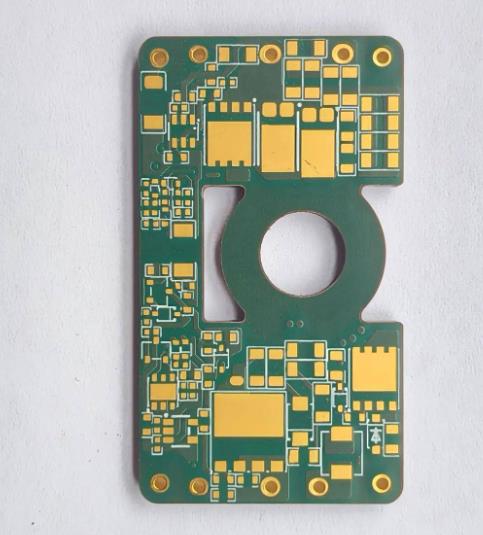
Key features include:
- Customized design tailored to specific ECU functions
- High reliability in harsh automotive environments
- Support for OEM and Tier 1 supplier requirements
2. Key Characteristics of Automotive ECU PCBs
Automotive ECU PCBs must comply with stringent technical requirements, including:
- High-Temperature Resistance: Operate reliably in engine compartments up to 150°C.
- Vibration and Shock Resistance: Ensure mechanical stability during vehicle operation.
- EMI/EMC Compliance: Prevent interference with other onboard electronics.
- Durability: Deliver long service life with low failure rates.
These characteristics guarantee long-term reliability for vehicle electronic systems.
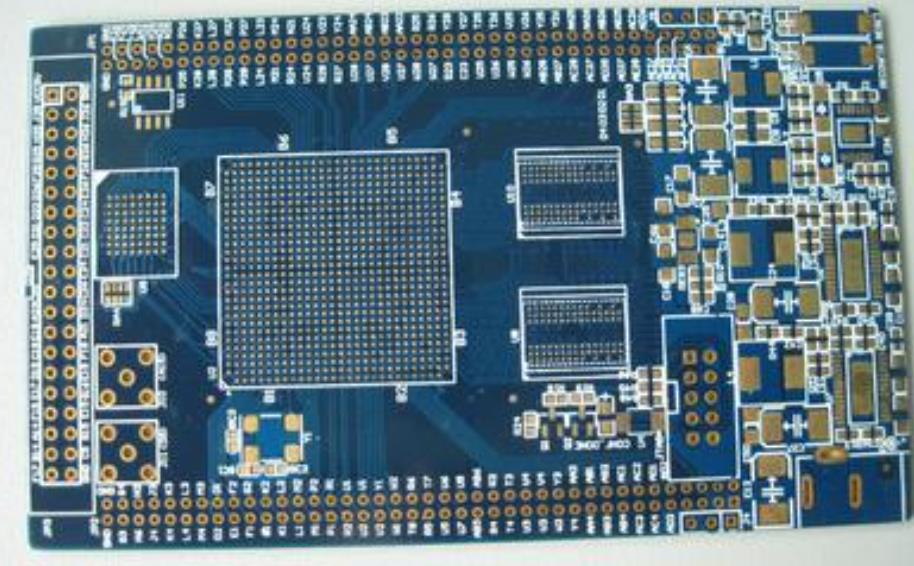
3. Materials Used in Automotive ECU PCB Manufacturing
Material selection directly impacts ECU PCB performance:
- FR4 High-Tg Materials: Automotive-grade substrates for moderate-temperature applications.
- Polyimide: Ideal for high-temperature environments in EVs and ADAS.
- Copper Thickness: Typically 1 to 3 ounces per layer to enhance current-carrying capacity.
- Surface Finishes: ENIG, HASL, or OSP for improved corrosion resistance and solderability.
gopcb offers customized material solutions to balance performance optimization with cost control.
4. Custom Design Capabilities for Automotive ECU PCBs
Custom ECU PCBs require advanced design capabilities:
- Multi-Layer Board Design: 4 to 20 layers to accommodate complex circuit requirements.
- Controlled Impedance Design: Ensure signal integrity for high-speed data transmission.
- High-Density Interconnect (HDI): Enable compact ECU layouts.
- Thermal Management Design: Utilize thermal vias and heat sinks to optimize high-power components.
- Design for Manufacturability (DFM): Reduce defects and improve production yield.
These design capabilities effectively mitigate risks and improve manufacturing yield.
For expert assistance with your ECU PCB design, explore our PCB Design & Layout services.
5. Automotive ECU PCB Manufacturing Process
The standard manufacturing process includes:
- PCB Layout & Engineering Review: Verify design rules and material selection.
- Lamination & Drilling: Produce precision holes and vias.
- Copper Plating & Etching: Form accurate circuit patterns.
- Solder Mask & Surface Finish Application: Protect the PCB and enhance solder joint reliability.
- Final Inspection & Quality Control: Ensure defect-free delivery.
6. Automotive ECU PCB Assembly Services
Assembly is critical to ECU functionality:
- Surface Mount Technology (SMT): High-precision placement of miniature components.
- Through-Hole Technology (THT): Provides enhanced mechanical stability.
- Mixed Technology Assembly: Supports hybrid circuit board configurations.
- BGA/QFN Component Handling: Accommodates high-density chip layouts.
- Conformal Coating: Protects against moisture and dust for improved reliability.
gopcb delivers comprehensive assembly solutions with complete testing capabilities. Learn more about our Turnkey PCB Assembly services.
7. Quality Standards and Certifications
Automotive PCBs must meet rigorous industry standards:
- IATF 16949: Automotive quality management system.
- IPC Class 2 & Class 3: Reliability and performance benchmarks.
- ISO 9001: Manufacturing quality management.
- RoHS & REACH: Environmental regulation compliance.
These certifications ensure long-term reliability for automotive electronics.
8. ECU PCB Testing and Validation
Testing is essential to prevent automotive electronic failures:
- Automated Optical Inspection (AOI)
- X-Ray Inspection: Detects hidden solder joints.
- Functional Testing (FCT): Verifies ECU performance.
- In-Circuit Testing (ICT): Checks electrical connectivity.
- Environmental Stress Testing: Temperature cycling and vibration endurance.
gopcb is equipped with advanced testing equipment to ensure PCB quality meets automotive standards.
9. 2026 Automotive ECU PCB Manufacturing Cost Analysis
In 2026, custom automotive ECU PCB costs vary based on complexity:
- Prototype Boards: $45–70 per board
- Low-Volume Production: $70–150 per board
- High-Volume Production: $150–250 per board
Cost drivers include layer count, material type, copper thickness, and assembly complexity. gopcb offers cost-effective solutions that balance quality and affordability.
For low-volume needs, explore our Low-Volume PCB Assembly options.
10. Lead Times and Production Capacity
- Prototype Boards: 7–14 days
- Low-Volume Production: 2–4 weeks
- High-Volume Production: 4–8 weeks
Global supply chain support and engineering services ensure reliable delivery for OEMs and Tier 1 suppliers.
11. How to Choose the Right Automotive ECU PCB Manufacturer
When selecting a manufacturer, consider:
- Technical capability and experience in automotive PCBs
- Quality management systems and certifications
- End-to-end engineering support from design to assembly
- Proven track record with OEM and Tier 1 suppliers
gopcb delivers end-to-end solutions with ISO-certified processes and dedicated automotive engineering support, making us a reliable partner.
Discover our full range of PCB Manufacturing capabilities.
12. Future Trends in Automotive ECU PCB Manufacturing
- EV & Hybrid PCBs: Handle higher current loads.
- ADAS & Autonomous Driving PCBs: Demand high-speed signal transmission.
- Miniaturization & HDI Technology: Enable more compact ECU designs.
- Smart Manufacturing & Industry 4.0: Improve yield and traceability.
Staying ahead of these trends will give businesses a competitive advantage.
13. Frequently Asked Questions (FAQ)
Q1: What is the price of a custom automotive ECU PCB in 2026?
A: Prices range from $45 to $250 per board, depending on layer count, materials, and order quantity.
Q2: What are the best materials for ECU PCBs?
A: FR4 High-Tg, polyimide, and high-frequency laminates are commonly used for high-temperature and reliability-critical applications.
Q3: What are the typical production lead times?
A: 7–14 days for prototypes, 2–4 weeks for low-volume, and 4–8 weeks for high-volume production.
Q4: What certifications are required for automotive PCB manufacturing?
A: IATF 16949, IPC Class 2/3, ISO 9001, and RoHS & REACH compliance.
Q5: Does the manufacturer offer full-service capabilities?
A: Yes, gopcb provides a one-stop service covering design, fabrication, assembly, and testing.
14. Conclusion
Custom automotive ECU PCB manufacturing services are at the heart of modern automotive electronic systems. From design and material selection to assembly, testing, and certification, partnering with a trusted provider like gopcb ensures high reliability, cost optimization, and full compliance with automotive industry standards. Whether you need prototype development or high-volume production, understanding cost drivers, lead times, and design capabilities will help you make the best decisions for your automotive projects.
For more information about our comprehensive PCB solutions, visit our homepage or explore our SMT PCB Assembly and Through-Hole PCB Assembly services.