High Railway Signaling PCB for Reliability PCB: Practical Process Controls
Rail transportation is a critical part of modern urban and intercity infrastructure, where operational safety and efficiency depend heavily on reliable signaling systems. From train detection and speed monitoring to route control and communication, railway signaling equipment must process and transmit data accurately under demanding operating conditions.
At the center of these electronic systems is the Railway Signaling PCB. A printed circuit board provides the physical and electrical foundation for connecting components, transmitting signals, processing data, and supporting critical control functions. Because signaling failures can affect operational safety, PCB reliability is a major consideration in the design and manufacturing of railway electronic equipment.
Gopcba provides PCB manufacturing solutions for applications that require stable electrical performance, durable construction, and consistent quality. Learn more about our PCB manufacturing capabilities for demanding electronic applications.
PCB Applications in Railway Signaling Systems
Railway signaling systems consist of multiple interconnected electronic modules. PCBs are used throughout ground-based control equipment, onboard systems, track monitoring equipment, communication devices, and other safety-related electronic assemblies.
Automatic Train Control Systems
Automatic train control systems typically include several important functions, such as automatic train protection, automatic train operation, and automatic train supervision. These systems rely on electronic hardware to collect operational information, process data, and transmit control instructions.
A High Reliability PCB supports these functions by providing stable electrical connections between processors, communication interfaces, sensors, power circuits, and other electronic components.
For example, train protection systems monitor operating conditions such as train speed and can support safety functions when abnormal conditions are detected. Signal receiving circuits, data processing modules, and control interfaces all require dependable PCB connections to maintain accurate communication between different electronic components.
Train supervision systems also depend on PCB-based electronic modules for monitoring train locations, collecting operational data, and communicating with centralized control systems.
For complex electronic designs requiring increased circuit density, Multilayer PCB technology can provide additional routing space and support more sophisticated signal and power distribution requirements.
Interlocking and Route Control Equipment
Interlocking systems are another important part of railway signaling infrastructure. These systems help manage train routes and coordinate equipment such as switches, signals, and track circuits.
Electronic control modules must collect status information from multiple devices and transmit commands accurately. PCBs provide the electrical platform for signal acquisition circuits, processing units, communication interfaces, and output control modules.
Reliable circuit connections are essential because inaccurate data transmission or unstable electrical performance can affect the ability of the system to identify equipment status correctly.
As railway systems become more automated, PCB designs may also require improved circuit integration, controlled impedance, and stronger resistance to electrical interference.
Track Circuit and Train Detection Systems
Track circuits and train detection systems are designed to determine whether specific sections of railway track are occupied. These systems can include signal transmission, signal reception, filtering, amplification, and data processing circuits.
The PCB plays an important role in connecting these electronic functions and maintaining stable signal paths.
A well-designed Railway Signaling PCB can help support accurate signal transmission by considering factors such as conductor layout, grounding structure, electromagnetic compatibility, and component placement.
For applications involving complex routing and higher-density electronic components, HDI PCB solutions can provide a more compact interconnection structure and support advanced electronic system designs.
Onboard Railway Signaling Equipment
PCBs are also widely used in onboard railway equipment. Typical applications include speed sensor interfaces, communication modules, signal processing circuits, display control systems, and other electronic control units.
These systems must maintain reliable operation while trains are exposed to continuous movement, vibration, mechanical shock, and changing environmental conditions.
As a result, the PCB must be designed not only for electrical performance but also for mechanical and environmental reliability.
Why High Reliability PCBs Are Critical for Railway Applications
Railway signaling systems operate in environments that can place significant stress on electronic equipment. Ground-based systems and onboard equipment may experience temperature variation, humidity, dust, vibration, shock, electromagnetic interference, and power fluctuations.
For this reason, a High Reliability PCB must be designed and manufactured with application-specific requirements in mind.
Stable Performance in Changing Environmental Conditions
Railway equipment can operate across different climate zones and installation environments. Electronics may be exposed to low temperatures, high temperatures, humidity, condensation, and other environmental challenges.
The PCB material system must maintain stable mechanical and electrical properties throughout the expected operating environment. Proper material selection can help reduce the risk of excessive deformation, delamination, and performance degradation caused by environmental stress.
Depending on the application, manufacturers may also consider additional protective measures to improve resistance to moisture, contamination, and long-term environmental exposure.
Resistance to Vibration and Mechanical Shock
Onboard railway electronics are continuously exposed to vibration and occasional mechanical shock during operation. Over time, these forces can affect solder joints, connectors, components, and circuit board structures.
PCB reliability therefore depends on factors including board thickness, layer construction, copper distribution, component layout, and overall mechanical design.
A properly engineered PCB structure helps maintain stable electrical connections and reduces the risk of failures caused by repeated mechanical stress.
This is particularly important for railway electronic modules that are expected to operate continuously for extended periods with limited opportunities for maintenance.
Electromagnetic Interference Control
Railway environments can contain multiple sources of electromagnetic interference. Power equipment, motors, communication systems, switching devices, and other electronic systems can affect signal quality.
PCB design plays an important role in electromagnetic compatibility. Ground plane design, signal routing, power distribution, layer stack-up, and separation between sensitive circuits can all influence system performance.
For high-speed or frequency-sensitive applications, specialized High Frequency PCB designs may also be required to support stable signal transmission and minimize unnecessary signal loss.
The Safety Role of Railway Signaling PCBs
Safety is one of the most important requirements in railway signaling systems. These systems do more than control normal train operations. They must also support protective functions when abnormal operating conditions occur.
Examples may include detecting unsafe train movement, monitoring equipment status, identifying incomplete route conditions, and supporting emergency response procedures.
The PCB serves as the electrical connection platform between sensors, processing units, communication circuits, and output devices.
When an abnormal condition is detected, information must move quickly and accurately through the electronic system. A reliable PCB helps maintain stable signal paths and supports efficient communication between critical components.
Reliable Signal Transmission for Fast System Response
In safety-related electronic systems, signal delays, distortion, or connection failures can reduce overall system reliability.
PCB layout and manufacturing quality therefore directly influence the performance of electronic signal paths.
Key considerations can include:
- Signal routing quality
- Copper integrity
- Layer alignment
- Controlled impedance where required
- Grounding and shielding structures
- Via reliability
- Power distribution stability
- Manufacturing consistency
A professional Railway PCB Manufacturer must understand how manufacturing processes can influence the final electrical and mechanical performance of the board.
Redundancy and Reliability in Railway Electronic Systems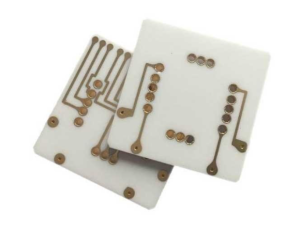
Many railway signaling systems are designed with redundancy to improve system availability and safety. If one circuit path or electronic module experiences an abnormal condition, backup systems may be designed to maintain critical functions.
PCB design can support these system-level reliability strategies by providing clear circuit separation, dependable interconnections, and stable routing structures.
The specific design approach depends on the application, system architecture, and safety requirements. However, manufacturing consistency remains essential because variations in PCB quality can introduce risks into otherwise well-designed electronic systems.
For applications requiring specialized structures and greater mechanical flexibility, Rigid-Flex PCB technology may also provide design advantages by combining rigid circuit sections with flexible interconnections.
PCB Design Considerations for Railway Signaling Equipment
Designing a PCB for railway signaling equipment requires more than simply connecting electronic components. The board must support the long-term operational requirements of the complete system.
Important considerations may include material selection, layer stack-up, copper thickness, signal integrity, power integrity, mechanical strength, environmental resistance, and manufacturability.
Material Selection
The base material should be selected according to the expected operating environment and electrical requirements.
Factors may include temperature performance, thermal stability, dielectric properties, mechanical strength, and long-term reliability.
Layer Stack-Up and Circuit Structure
Complex railway signaling electronics may require multiple signal layers, power planes, and ground layers.
A properly designed stack-up can improve routing efficiency and support better control of electromagnetic interference.
Multilayer structures can also provide additional flexibility for separating power circuits from sensitive signal circuits.
Signal Integrity
Signal integrity becomes increasingly important as electronic systems process more data and operate at higher speeds.
Careful routing, impedance control, return path design, and appropriate layer structures can help maintain signal quality and reduce unwanted interference.
Manufacturing Quality Control
Even a well-designed PCB must be manufactured consistently.
Production quality control can include inspections and testing designed to identify potential defects in circuit patterns, drilling, plating, layer registration, and electrical connections.
Reliable manufacturing processes are especially important for Industrial Control PCB and transportation electronics because these products may be required to operate continuously in demanding environments.
Maintenance Benefits of High Reliability PCBs
Railway equipment maintenance directly affects operating costs and service availability. Electronic modules that are easier to inspect, diagnose, and maintain can help reduce downtime.
PCB design can contribute to maintenance efficiency through standardized interfaces, clear circuit identification, logical test points, and organized component layouts.
Maintenance personnel can use these features to inspect electrical conditions and identify potential faults more efficiently.
A reliable PCB can also reduce the frequency of unexpected electronic failures, helping railway operators improve equipment availability and reduce maintenance requirements over the long term.
Future Development of Railway Signaling PCBs
Rail transportation continues to develop toward higher speeds, greater automation, intelligent monitoring, and increased connectivity.
As signaling systems become more advanced, electronic equipment must process larger amounts of information while maintaining strict requirements for reliability and safety.
This development will continue to increase demand for advanced Railway Signaling PCB solutions with improved circuit density, stronger environmental resistance, enhanced signal integrity, and consistent manufacturing quality.
Technologies such as higher-density interconnections, advanced multilayer structures, controlled impedance designs, and specialized materials will continue to support the evolution of railway electronics.
For PCB projects involving complex structures or demanding operating conditions, choosing an experienced Railway PCB Manufacturer can help ensure that manufacturing requirements are considered throughout the production process.
Key Manufacturing Takeaways
The points below collect the practical checks covered in this guide.
- PCB Applications in Railway Signaling Systems: check the drawing, process sheet and inspection plan before release.
- Why High Reliability PCBs Are Critical for Railway Applications: treat this as a repeat-order checkpoint and keep the result with the lot record.
- The Safety Role of Railway Signaling PCBs: review the production data and close any deviation before the next build.
- Redundancy and Reliability in Railway Electronic Systems: confirm the requirements, process settings and inspection records at first-article approval.
- PCB Design Considerations for Railway Signaling Equipment: record the agreed limits and verify them again in the production lot.
- Maintenance Benefits of High Reliability PCBs: check the drawing, process sheet and inspection plan before release.
- Future Development of Railway Signaling PCBs: treat this as a repeat-order checkpoint and keep the result with the lot record.
Conclusion
High reliability PCBs are an essential foundation for modern railway signaling systems. They support electronic functions across automatic train control, interlocking systems, track detection equipment, onboard communication modules, and other critical applications.
A dependable High Reliability PCB must deliver stable electrical performance while resisting environmental changes, vibration, mechanical shock, and electromagnetic interference.
As railway transportation continues to become more intelligent and interconnected, PCB technology will play an increasingly important role in supporting safe and efficient signaling systems.
With appropriate PCB design, material selection, manufacturing processes, and quality control, advanced Railway Signaling PCB solutions can provide the dependable electrical foundation required for the next generation of rail transportation technology.