PCB Resin Plugging with Aluminum Sheet Process
In advanced PCB Manufacturing, resin plugging with aluminum sheet is an important process developed for specific PCB structures and performance requirements.
This technology is especially suitable for high-end circuit boards such as Multilayer PCB, high-speed PCB, and other products requiring excellent via reliability.
Through precise process control and optimized operating procedures, PCB resin plugging with aluminum sheet can effectively improve resin filling density, hole reliability, and surface flatness, providing a stable foundation for subsequent manufacturing processes.
Preparation Process for PCB Resin Plugging with Aluminum Sheet
Proper preparation is the foundation for achieving high-quality resin plugging results.
Before the plugging process begins, manufacturers must select suitable aluminum sheets according to PCB hole characteristics, including:
- Hole diameter
- Hole depth
- Aspect ratio
- Board structure requirements
The thickness and hardness of the aluminum sheet must match the plugging pressure parameters. If the aluminum sheet deforms during processing, it may cause problems such as uneven resin filling or damage around the hole opening.
At the same time, the resin material must be carefully evaluated. Important resin properties include:
- Flowability
- Curing shrinkage rate
- Adhesion performance
- Thermal stability
For High Speed PCB applications, resin dielectric properties must also be considered. The dielectric constant of the plugging resin should maintain compatibility with the PCB substrate to prevent negative effects on signal transmission performance.
Before production, plugging equipment must also be accurately adjusted. Parameters such as:
- Squeegee pressure
- Processing speed
- Alignment accuracy
must be optimized to ensure proper contact between the aluminum sheet and PCB surface, reducing potential filling defects caused by equipment variation.
Core Process Steps of PCB Resin Plugging
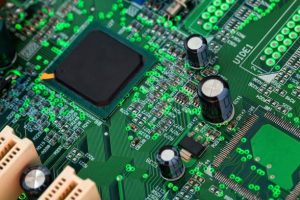
The resin plugging process consists of several key steps that determine the final quality and reliability of the PCB.
Hole Cleaning and Surface Preparation
The first step is cleaning the target holes.
Plasma treatment or high-pressure air cleaning is commonly used to remove:
- Dust particles
- Oil contamination
- Processing residues
A clean hole surface improves resin adhesion and prevents contamination from affecting the bonding strength between resin and hole walls.
Resin Application and Hole Filling
After hole cleaning, properly prepared resin is evenly applied onto the aluminum sheet surface.
The aluminum sheet is then accurately positioned over the PCB plugging area. Under controlled pressure from the squeegee system, resin is pushed into the holes.
During this process, manufacturers must carefully control:
- Squeegee angle
- Pressure level
- Moving speed
These parameters ensure that resin fully reaches the bottom of the hole while preventing air bubbles and incomplete filling.
For thick multilayer structures with deeper holes, multiple filling cycles may be required. Between each filling stage, partial curing can be performed to prevent resin from sinking and creating internal voids.
After filling is completed, the aluminum sheet is removed, leaving a smooth resin layer on the PCB surface that provides sufficient thickness for later grinding operations.
Resin Curing and Surface Treatment
The curing and post-processing stages directly affect the final performance of resin-filled holes.
Controlled Resin Curing
The curing process must follow a carefully designed temperature profile.
A gradual heating process allows resin to cure evenly from the inside to the outside, reducing internal stress concentration.
Incorrect curing conditions may result in:
- Resin cracking
- Poor adhesion
- Internal stress problems
For advanced PCB applications, stable curing performance is essential for long-term reliability.
Precision Grinding Process
After curing, excess resin around the hole openings must be removed through precision grinding.
During grinding, manufacturers must control:
- Grinding wheel speed
- Feeding rate
- Surface pressure
Over-grinding may expose internal resin or damage the PCB surface, while insufficient grinding may affect subsequent processing steps.
For HDI PCB products with micro blind via structures, additional surface cleaning is required after grinding to remove:
- Resin particles
- Aluminum residues
- Surface contaminants
This prevents contamination from affecting later plating and surface finishing processes.
Quality Control of PCB Resin Plugging Process
Quality control runs throughout the entire resin plugging process.
During resin filling, online inspection systems can monitor hole filling conditions in real time and identify potential defects, including:
- Incomplete filling
- Air bubbles
- Misalignment
- Surface irregularities
By analyzing inspection results, manufacturers can quickly adjust process parameters and maintain production consistency.
After curing, sample inspections are performed to evaluate:
- Resin bonding strength
- Hole wall adhesion
- Surface flatness
- Curing quality
Bond strength tests can verify whether internal delamination exists between resin and hole walls.
For high-speed circuit boards, additional electrical testing may be required to confirm that resin plugging does not negatively affect signal transmission performance.
Before mass production, first article inspection is also necessary. Full dimensional verification ensures that key parameters such as:
- Hole position accuracy
- Surface flatness
- Resin curing condition
meet production standards.
This approach helps reduce production risks and prevents downstream manufacturing failures caused by plugging defects.
Applications of PCB Resin Plugging with Aluminum Sheet Technology
PCB resin plugging with aluminum sheet technology plays an important role in advanced circuit board manufacturing.
Its advantages include:
- Improved via reliability
- Enhanced surface flatness
- Better multilayer structural stability
- Improved manufacturing consistency
This technology is widely used in applications requiring high reliability, including:
- Communication equipment
- Automotive electronics
- Medical devices
- Industrial control systems
- High-performance computing equipment
For advanced Multilayer PCB Manufacturing, precise resin plugging technology helps achieve stronger interlayer connections and improved structural performance.
Conclusion
PCB resin plugging with aluminum sheet is a precision manufacturing technology that significantly improves hole filling quality and PCB reliability.
By optimizing material selection, equipment adjustment, filling procedures, curing conditions, and inspection systems, manufacturers can achieve stable resin filling performance for complex PCB structures.
For advanced circuit boards such as HDI PCB, high-speed PCB, and multilayer PCB products, professional process control is essential to ensure electrical performance, structural stability, and long-term reliability.
GOPCBA applies advanced PCB Manufacturing Services and strict quality management systems to provide reliable PCB solutions for global customers.
Through continuous process improvement and engineering expertise, GOPCBA supports customers in developing high-performance electronic products with superior reliability and manufacturing consistency.