IPC Copper Clad Laminate Standards for PCB Manufacturing
Copper Clad Laminate is one of the most important base materials in PCB production, and its quality directly affects the performance, reliability, and service life of printed circuit boards.
In the global PCB industry, IPC Copper Clad Laminate Standard has become a widely recognized quality guideline due to its scientific approach, strict requirements, and universal applicability. These standards provide unified specifications for copper clad laminate production, testing, and evaluation, while supporting the continuous development of PCB manufacturing technologies.
By defining requirements for material properties, manufacturing processes, and performance characteristics, IPC standards help ensure stable PCB quality and reliable operation of electronic products.
The Importance of IPC Copper Clad Laminate Standards in PCB Industry
IPC copper clad laminate standards are not simply a collection of technical requirements. They represent a comprehensive specification system covering multiple aspects, including:
- Base material characteristics
- Copper foil quality
- Resin performance
- Mechanical properties
- Thermal stability
- Electrical performance
- Dimensional accuracy
These standards define acceptable performance ranges and testing methods, allowing copper clad laminate products from different suppliers to achieve consistent quality levels.
For PCB manufacturers, following IPC standards provides a reliable foundation for material selection and production control.
During raw material procurement, IPC requirements help manufacturers evaluate and select suitable copper clad laminates based on application needs. This ensures that materials entering production meet required performance specifications from the beginning.
During manufacturing, IPC standards provide guidance for process optimization, helping reduce production losses caused by material inconsistencies and improving overall manufacturing efficiency.
For global PCB supply chains, IPC-compliant materials also improve communication between suppliers and customers, reduce quality risks, and increase confidence in product reliability.
Professional PCB Manufacturing Services rely on strict material management and quality control systems to ensure that every PCB meets demanding industry requirements.
IPC Standards Supporting Advanced PCB Manufacturing
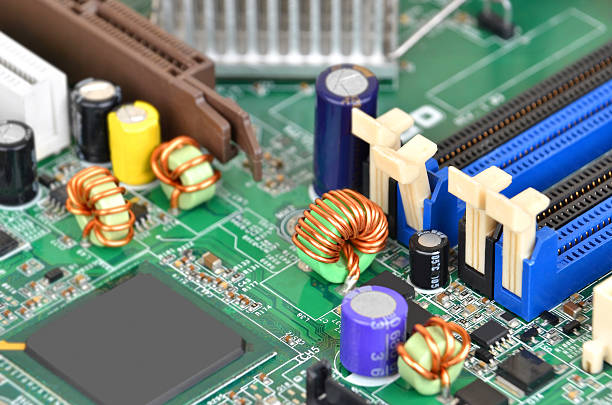
The role of IPC copper clad laminate standards becomes especially important in advanced PCB applications, including Multilayer PCB, high-frequency circuit boards, and HDI PCB products.
These advanced PCB structures require copper clad laminates with superior electrical, mechanical, and thermal performance.
IPC Requirements for Multilayer PCB Applications
For complex Multilayer PCB structures, copper clad laminates must provide excellent bonding strength, thermal resistance, and dimensional stability.
Because multilayer boards contain multiple stacked dielectric and copper layers, material performance directly influences lamination quality.
IPC standards define important material characteristics such as:
- Thermal stability
- Mechanical strength
- Bonding performance
- Thickness consistency
These requirements help prevent reliability problems such as:
- Delamination
- Cracking
- Layer separation
- Structural deformation
By selecting copper clad laminates that meet IPC requirements, manufacturers can improve multilayer PCB reliability during fabrication, assembly, and long-term operation.
IPC Standards for High Speed PCB Material Performance
High-frequency electronic systems require copper clad laminates with excellent electrical properties.
For High Speed PCB applications, material characteristics such as dielectric constant (Dk) and dissipation factor (Df) directly influence signal transmission performance.
IPC standards provide important references for evaluating these electrical properties, helping engineers select suitable laminate materials for high-frequency applications.
Low-loss copper clad laminates help reduce:
- Signal attenuation
- Transmission loss
- Electromagnetic interference
- Impedance variation
This ensures stable signal transmission in applications such as communication equipment, networking systems, automotive electronics, and high-performance computing devices.
IPC Standards for HDI PCB Material Requirements
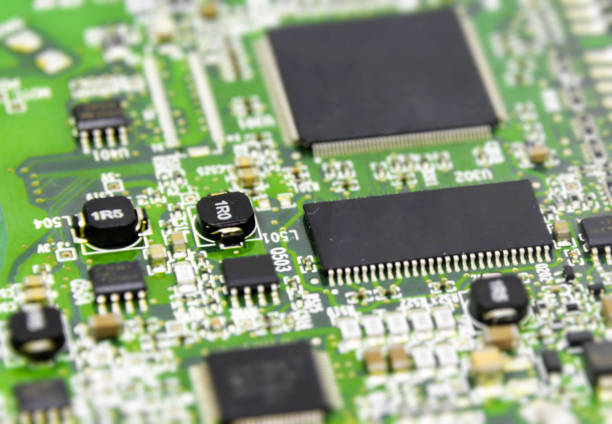
HDI PCB technology focuses on high-density routing, miniaturization, and advanced interconnection structures.
Because HDI designs require extremely precise manufacturing processes, copper clad laminates must provide excellent dimensional stability and surface quality.
IPC standards specify requirements related to:
- Thickness tolerance
- Flatness
- Warpage control
- Material consistency
These requirements ensure that HDI PCBs maintain accurate layer alignment and reliable fine-line processing during manufacturing.
For advanced applications requiring higher routing density and smaller form factors, professional HDI PCB Manufacturing capabilities combined with IPC-compliant materials help achieve stable production results.
Material Selection and Quality Control Based on IPC Standards
Following IPC copper clad laminate standards requires strict control throughout the entire PCB manufacturing process.
Important quality control procedures include:
Incoming Material Inspection
Before production begins, manufacturers verify:
- Laminate specifications
- Copper thickness
- Dielectric properties
- Mechanical characteristics
- Surface quality
Manufacturing Process Control
During PCB fabrication, manufacturers monitor:
- Lamination temperature
- Pressing pressure
- Curing conditions
- Layer alignment accuracy
Final Performance Verification
Finished PCB products undergo inspection and testing to ensure compliance with electrical, mechanical, and reliability requirements.
For product development projects, PCB Prototype Services allow engineers to validate material selection and manufacturing processes before moving into mass production.
Benefits of Using IPC-Compliant Copper Clad Laminates
Using copper clad laminates that meet IPC standards provides several advantages:
Improved PCB Reliability
Standardized material performance reduces manufacturing risks and improves long-term product stability.
Better Electrical Performance
Controlled dielectric characteristics support stable impedance and high-frequency signal transmission.
Higher Manufacturing Consistency
Uniform material properties improve production efficiency and reduce defects.
Enhanced Customer Confidence
IPC-compliant materials provide customers with greater assurance regarding product quality and reliability.
Conclusion
IPC copper clad laminate standards play a fundamental role in ensuring PCB quality, reliability, and manufacturing consistency.
From material selection and production control to advanced applications such as Multilayer PCB, High Speed PCB, and HDI PCB, IPC standards provide essential guidance for achieving high-performance circuit board solutions.
By strictly controlling material quality and following international industry standards, GOPCBA delivers reliable PCB manufacturing solutions for global customers.
Through advanced manufacturing technology, professional engineering support, and rigorous quality management, GOPCBA helps customers develop reliable electronic products with excellent performance and long-term durability.