How Much Does a Low Cost PCB Really Cost in 2025?
December 20, 2025 · by the gopcb team
“Low Cost PCB” is one of the most frequently searched terms in electronics manufacturing, yet it is also one of the most misunderstood. Many procurement professionals or startup teams simply equate low-cost PCBs with the cheapest boards available. In reality, a true low-cost PCB does not sacrifice quality—it achieves the lowest unit cost through design optimization and mature manufacturing while meeting application reliability requirements.
Entering 2025, PCB cost structures have grown more complex due to raw material price fluctuations, rising quality expectations, and increasing delivery pressure. Only by truly understanding the pricing logic of low-cost PCBs can you stay within budget while avoiding hidden costs down the line.
1. What Qualifies as a “Low Cost PCB” in 2025?
In the 2025 industry context, a low-cost PCB typically has the following characteristics:
- Single-sided or double-sided PCB construction
- Standard FR4, CEM-1, or CEM-3 substrate
- Conventional copper weight (1oz)
- Traditional surface finishes (HASL, OSP)
- No blind/buried vias, microvias, or impedance control
Low-Cost PCB vs. Cheap PCB vs. Standard PCB
Cheap PCB: Often compromises inspection or relaxes process tolerances.
Low-Cost PCB: Controls cost through design and manufacturing optimization while ensuring consistent quality.
Standard PCB: May include higher-spec materials or more stringent process requirements.
2. Real Price Ranges for Low-Cost PCBs
The following prices are based on achievable quotes from established PCB manufacturers like gopcb in 2025, for engineering and procurement reference.
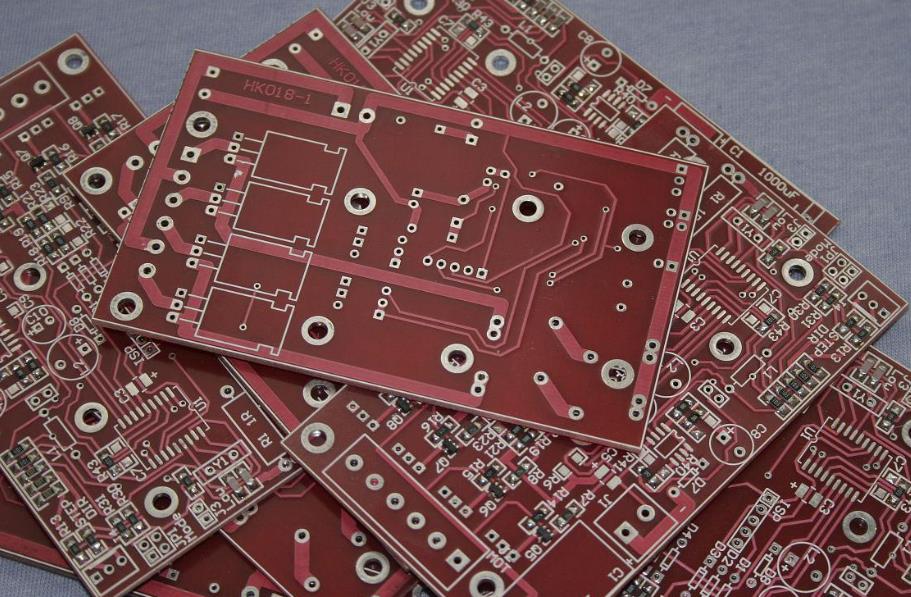
By Order Volume
- Prototype (5–10 pcs): USD $2.50 – $8.00 / unit
- Small batch (100 pcs): USD $0.80 – $2.20 / unit
- Volume production (1,000+ pcs): USD $0.15 – $0.60 / unit
By PCB Type
- Single-layer low-cost PCB: $0.10 – $0.35
- Double-layer low-cost PCB: $0.20 – $0.80
- 4-layer low-cost PCB: $0.60 – $1.80 (heavily design-dependent)
In volume production, panelization can further reduce unit cost by 10%–25%.
3. Core Factors Affecting Low-Cost PCB Pricing
Low-cost PCB pricing is not a single variable but a combination of multiple technical parameters:
- PCB dimensions and order quantity
- Layer count and stack-up complexity
- Substrate type (FR4, CEM series)
- Copper weight (1oz offers the best value)
- Trace width/spacing design
- Surface finish (HASL is the most cost-effective)
- Drill size and via density
Every decision during the engineering design phase directly influences the final PCB unit price.
4. Design Choices That “Silently” Increase PCB Cost
Many projects start with low-cost PCB as the goal, yet the final quote is significantly higher—often due to these design elements:
- High-density BGA layouts
- Blind / buried via structures
- Impedance-controlled routing
- Mixed-material stack-ups
- Overly tight tolerance requirements beyond IPC standards
By introducing a DFM (Design for Manufacturability) review early in the design phase, you can typically reduce PCB costs by 15%–30% without affecting functionality.
👉 Explore gopcb’s DFM design services
5. Impact of Manufacturing Region on Low-Cost PCB Pricing
China vs. Local Manufacturing
China remains the core hub for global low-cost PCB manufacturing, with key advantages including:
- A mature and complete PCB supply chain
- Highly automated production equipment
- Experienced engineering teams
- Cost advantages through economies of scale
Manufacturers like gopcb combine rigorous quality control and high yields to deliver truly low-cost PCBs without compromising reliability. Even when international logistics and tariffs are factored in, total costs for volume orders can still be 30%–50% lower than domestic manufacturing.
6. Overlooked Hidden Costs in “Low-Cost PCBs”
A low quote does not equal low total cost. The following hidden costs are frequently underestimated:
- Engineering fees and tooling charges
- Scrap due to lower yield rates
- Assembly failures caused by insufficient testing
- Rework, delays, and time-to-market risks
A truly professional low-cost PCB manufacturer focuses on stable mass production and total cost control, not just a one-time low price.
🔗 gopcb turnkey PCBA services help avoid hidden costs
7. How to Calculate the True Total Cost of a Low-Cost PCB Project
We recommend a system-level evaluation:
- Per-unit PCB cost vs. total project cost
- Impact of PCB failure on PCBA yield
- Long-term reliability and after-sales risk
- Delivery stability and inventory carrying cost
In real projects, spending an extra $0.05 per PCB can often lead to significant overall system cost reductions.
8. Cost Comparison Table for Different Low-Cost PCB Types
| PCB Type | Common Applications | Price Range (USD) | Cost Advantage |
|---|---|---|---|
| Single-layer | Power adapters, toys | $0.10 – $0.30 | Lowest material & process cost |
| Double-layer | Consumer electronics | $0.20 – $0.80 | Best cost-performance balance |
| 4-layer low-cost | IoT, control boards | $0.60 – $1.80 | Higher density, smaller footprint |
| Panelized | Volume production | ↓ 10%–25% | Reduced processing & testing costs |
📦 Discover gopcb’s high-value PCB manufacturing
9. How gopcb Helps Clients Achieve True Low-Cost PCBs
gopcb specializes in low-cost PCB manufacturing and optimization solutions for global markets. Core strengths include:
- Free DFM engineering review to avoid costly design pitfalls
- Application-driven material and process recommendations
- High-yield production lines that lower unit costs
- Transparent USD pricing with no hidden fees
- Quick response and reliable delivery schedules
gopcb’s goal is not to make the “cheapest PCB,” but to help clients achieve the lowest total-cost-of-ownership PCB.
💡 gopcb low-volume PCBA services – quality and cost in harmony
10. When to Choose (or Avoid) a Low-Cost PCB
Suitable applications for low-cost PCBs
- Consumer electronics
- IoT smart devices
- Power modules and adapters
- High-volume, mature designs
Applications where low-cost PCBs are not recommended
- High-frequency / high-speed signal circuits
- Automotive or medical electronics
- Extreme temperature or harsh-environment applications
11. Low-Cost PCB Pricing FAQ
1. Which PCB material is the cheapest?
CEM-1 and standard FR4 are the most cost-effective choices.
2. Are low-cost PCBs reliable?
Yes—with proper design and manufacturing by an experienced factory, cost and reliability can be achieved together.
3. How much cost reduction can DFM optimization provide?
Typically 15%–30%, depending on design complexity.
4. Is there a minimum order quantity (MOQ) for low-cost PCBs?
Most factories support low MOQs, but the best unit pricing is usually achieved at volume production levels.
12. Conclusion: The Core Mindset for Low-Cost PCB Procurement in 2025
The low-cost PCB of 2025 is not a “low-quality PCB.” It is a board that achieves system-level cost optimization through thoughtful design, standardized materials, and efficient manufacturing. Partnering with an experienced manufacturer like gopcb—with strong engineering capabilities and a proven production track record—is the key to a stable, sustainable low-cost PCB supply.
🔹 Additional PCBA services: Prototype assembly · SMT assembly · Through-hole assembly · Flex PCB assembly