Embedded PCB vs Traditional PCB: Core Differences Every Engineer Must Know
September 5, 2026 · Shenzhen · Technical Feature
For engineers and product designers developing electronic devices, the choice between embedded PCB and traditional PCB is a critical decision that directly impacts product size, performance, cost, and reliability. This article breaks down the core differences in a clear, easy-to-understand way, shares real-world USD pricing, explains how gopcb supports your project, and covers additional key factors in the decision process. Let’s dive in.
1. Basic Definitions: Embedded PCB vs Traditional PCB
First, let’s clarify the fundamentals—no jargon, just straightforward definitions:
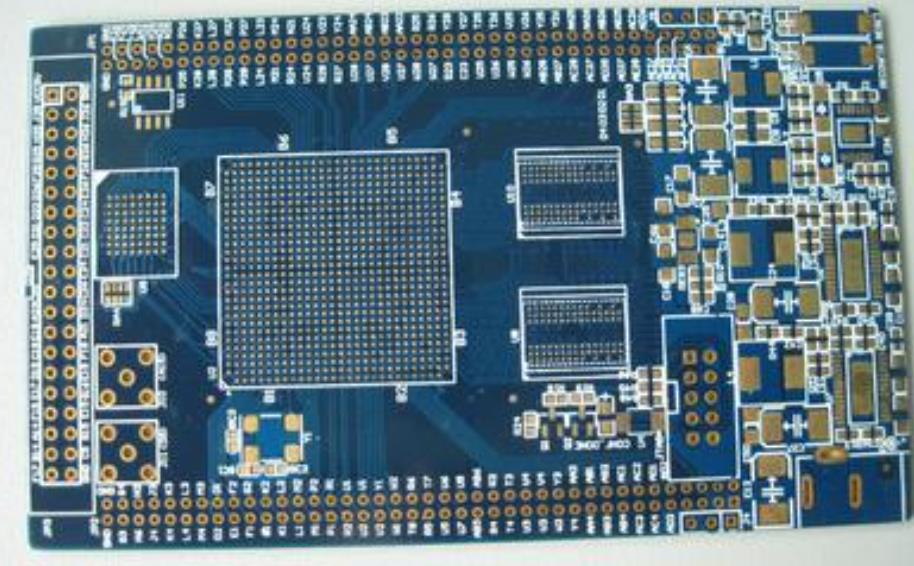
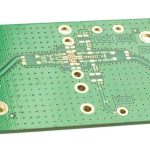
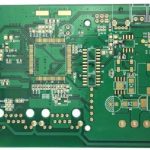
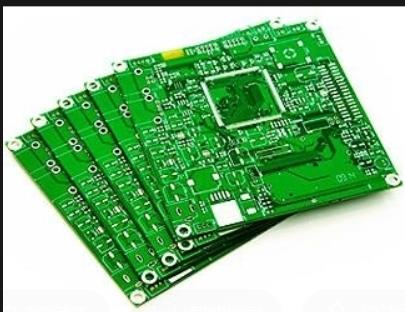
Traditional PCB: The industry-standard solution for decades. It uses an FR-4 substrate (glass-reinforced epoxy) with copper traces, and components such as resistors and ICs are soldered on the surface using SMT or through-hole technology. The manufacturing process is simple, scalable, and cost-effective. gopcb offers single-layer, double-layer, and multi-layer traditional PCBs suitable for most consumer and industrial applications.
Embedded PCB: An advanced design where passive components (resistors, capacitors) or even small active components are integrated within the inner layers of the PCB, rather than just on the surface. This approach dramatically reduces size and improves signal performance, but requires more complex manufacturing processes (lamination, precision laser drilling, etc.). gopcb‘s embedded PCB solutions use high-quality materials to ensure reliability in harsh environments.
2. Core Differences at a Glance
The table below summarizes the key differences for quick reference:
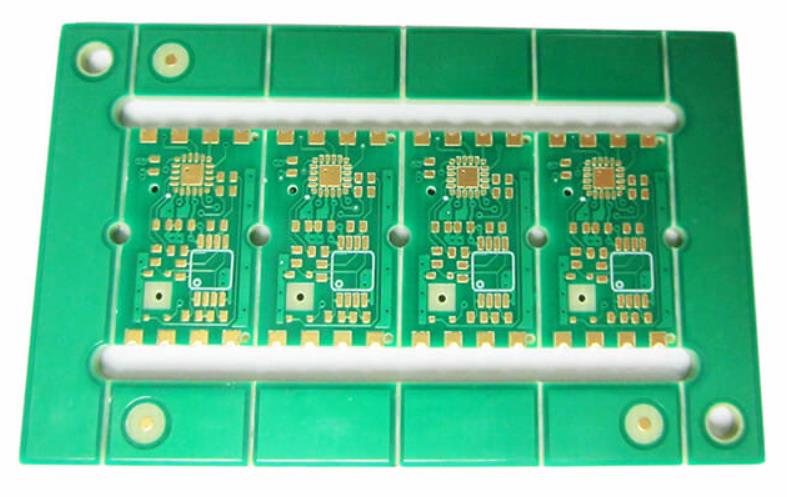
| Aspect | Traditional PCB | Embedded PCB |
|---|---|---|
| Size & Miniaturization | Larger, not ideal for compact devices | 30%-50% smaller (e.g., 10mm×15mm for wearables) |
| Design Complexity | Simple (up to 16 layers, straightforward stack-up) | Complex (4-24 layers, requires advanced tools like Altium/KiCad) |
| Electrical Performance | Suitable for low-frequency (<1GHz) devices | Superior at high frequency (>1GHz), 15%-20% signal efficiency gain |
| Cost (100mm×100mm, 1000 pcs) | $2.50-4.00/unit; above 10k: $1.20-2.00/unit | $8.00-12.00/unit; above 10k: $5.00-7.50/unit |
| Lead Time | 5-7 days | 12-16 days |
| Thermal Management | Easier (surface components dissipate heat well) | Challenging (embedded components trap heat) |
| Reliability in Harsh Environments | Suitable for standard environments (-40°C to 85°C) | Superior (0.5% failure rate after 1000h in automotive tests) |
3. Selection Guide: Which One to Choose?
Choosing the right PCB type depends on your project priorities. Here’s a quick guide:
3.1 Choose Traditional PCB When:
- Cost is the primary concern (e.g., basic home appliances, remote controls)
- Size constraints are loose (e.g., industrial control panels, desktop motherboards)
- Fast prototyping or low-volume production is needed
Case: A leading refrigerator brand adopted gopcb‘s traditional double-layer PCB at $3.20/unit for a 5000-unit batch.
3.2 Choose Embedded PCB When:
- Miniaturization is critical (e.g., wearables, IoT sensors, medical implants)
- High-frequency and high-performance are required (e.g., 5G, ADAS)
- Durability in extreme environments is a must (e.g., aerospace, EV)
Case: A top fitness tracker brand switched to gopcb‘s embedded PCB and reduced device size by 40%. gopcb‘s medical-grade embedded PCB (ISO 13485) costs ~$10.50/unit for 1000 pieces.
4. Real-World Case Study: Replacing Traditional with Embedded
An IoT sensor manufacturer replaced their traditional PCB with gopcb‘s embedded PCB for an environmental sensor. Results:
- Size: Reduced by 42% (18mm×25mm → 12mm×18mm)
- Battery life: Extended by 67% (6 months → 10 months)
- Signal loss: Dropped from 5% to 1.5% at 2.4GHz
- Cost: Increased from $3.80 (traditional) to $9.20 (embedded) per unit for 2000 pieces
Despite the higher upfront cost, the smaller size and longer battery life allowed a premium pricing strategy, ultimately boosting profit margins by 25%.
5. Additional Key Considerations
Beyond the core differences, two factors are critical for long-term project success:
5.1 Scalability for Mass Production
Traditional PCBs are cost-effective at low volumes, but as batch sizes exceed 10,000 units, the cost gap narrows significantly. For embedded PCBs, economies of scale and process optimization reduce per-unit costs. gopcb‘s scalable production lines support everything from 100-piece prototypes to over 100,000 pieces, ensuring consistent quality and pricing as your project grows. This scalability is vital for startups transitioning to commercialization or established brands expanding product lines.
5.2 Compliance and Certification Requirements
Different industries impose strict standards on PCBs. For example, medical devices require ISO 13485, automotive electronics need IATF 16949, and aerospace applications demand AS9100. Traditional PCBs are easier to certify for standard applications, while embedded PCBs can meet the most rigorous standards with the right partner. gopcb holds ISO 9001, ISO 13485, IATF 16949, and IPC-A-610 certifications for both traditional and embedded PCBs, ensuring compliance across industries.
6. Pros and Cons at a Glance
Traditional PCB: Low cost, simple design, easy rework, short lead time; larger size, poor high-frequency performance, weaker durability in harsh environments.
Embedded PCB: Compact size, excellent signal integrity, high energy efficiency, robust durability; higher cost, complex design, longer lead time, nearly unrepairable.
7. gopcb: Your Reliable Partner for Both PCB Types
Choosing the right PCB type is only the first step—partnering with a reliable manufacturer ensures your design translates into a high-quality, stable product. With over 15 years of experience in both traditional and embedded PCB manufacturing, gopcb serves diverse industries including consumer electronics, medical devices, automotive, and more.
- Comprehensive Product Range: Single, double, and multi-layer traditional PCBs; high-precision embedded PCBs supporting 0402-1206 passive components and small ICs.
- Advanced Capabilities: Laser drilling, high-temperature lamination, thermal management solutions, and 100% AOI quality control.
- Design Support & Customer Service: Expert engineering team to optimize DFM, signal integrity, and cost; 24/7 customer support for project tracking and technical inquiries.
- Competitive Pricing & Flexible Terms: 25% discount for orders above 5000 pieces; transparent pricing with no hidden costs; expedited options for urgent projects.
- Global Certifications: ISO 9001, ISO 13485, IATF 16949, IPC-A-610—ensuring compliance for global markets.
Whether you need a cost-effective traditional PCB for consumer products or a high-performance embedded PCB for medical devices, gopcb has the expertise and resources to bring your project to life.
Explore gopcb‘s prototype PCB assembly, low-volume PCBA, and high-volume PCBA services, or discover our turnkey PCBA and SMT assembly solutions to fully support your project needs.
8. Final Selection Recommendations
- Engineers: Choose traditional PCB for cost-sensitive, low-frequency applications; choose embedded PCB for miniaturization and high-frequency requirements.
- Procurement: Traditional PCB is more economical for small batches; embedded PCB offers better value at high volumes (cost gap narrows, and premium features justify the price).
- Designers: Embedded PCB is indispensable if size is a key selling point; otherwise, traditional PCB works well for cost-sensitive products. Always ensure your manufacturer (like gopcb) meets industry compliance standards.
9. Conclusion
Embedded PCB and traditional PCB each have unique strengths and ideal applications—there is no one-size-fits-all solution. Traditional PCBs excel in standard, non-compact applications with cost and simplicity as priorities, while embedded PCBs are the go-to choice for miniaturized, high-performance devices operating in harsh or regulated environments. By clarifying your project priorities (size, performance, cost, scalability, compliance) and collaborating with a reliable partner like gopcb, you can make a decision that aligns with your product goals and long-term success. Whether you’re designing a basic remote control or a cutting-edge medical implant, the right PCB choice is the foundation of a reliable, market-ready product.
10. Frequently Asked Questions
Q1: How much more expensive is an embedded PCB?
A1: For small volumes (1000 pcs), it’s 2-3x more (e.g., $2.50-4.00 vs $8.00-12.00 per unit).
Q2: Can embedded PCBs be repaired?
A2: Almost unrepairable (components are embedded within layers), while traditional PCBs are easy to rework.
Q3: Does gopcb manufacture both types?
A3: Yes, we offer a full range of both, with design support, volume discounts, and global certifications.
Q4: What is the lead time for embedded PCBs?
A4: Typically 12-16 days (traditional PCBs: 5-7 days).
Q5: Can gopcb help with PCB design optimization?
A5: Absolutely. Our engineering team provides DFM, signal integrity, and cost optimization support.
For more details, visit our PCB manufacturing, PCB design layout, and component procurement pages—gopcb offers end-to-end support for your project.