2025 Receiver PCB Price Guide: Cost Drivers & Real-World Quotes
November 14, 2025 · By GoPCB Technical Team · 8 min read
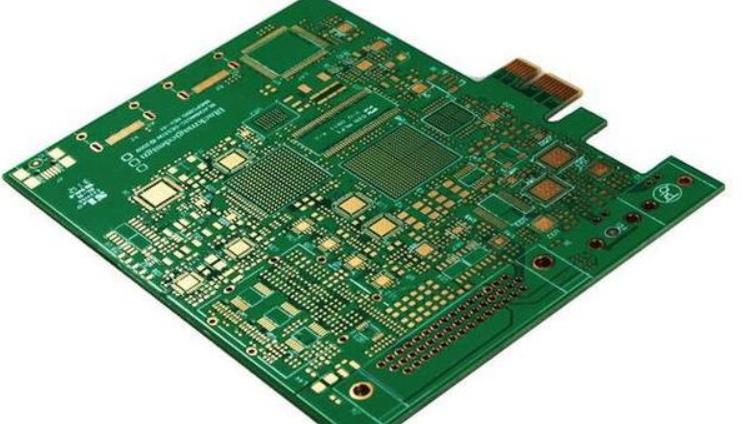
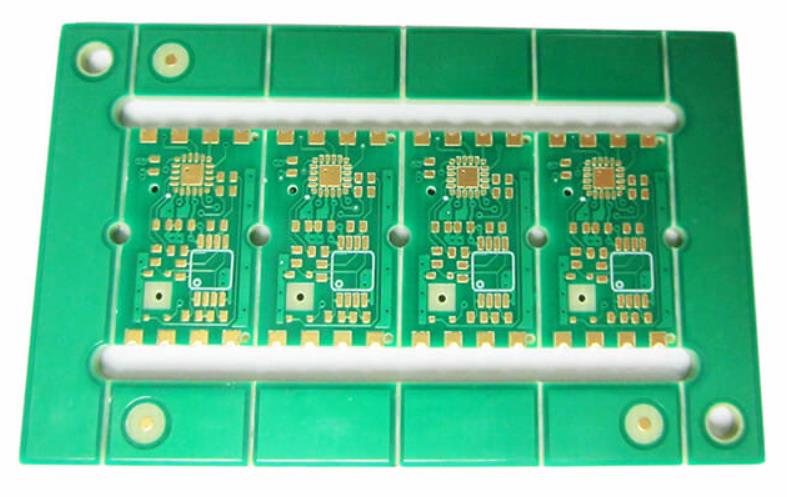
Receiver PCB is the core carrier for wireless devices to receive, filter and process radio frequency (RF) signals, widely used in Wi-Fi modules, GPS receivers, IoT sensors, remote control systems, drones, smart home devices, and industrial communication equipment.
In 2025, the cost of receiver PCBs varies significantly depending on materials, RF performance requirements, layer count, assembly methods, and production volume. This article provides an in-depth analysis of the key factors affecting receiver PCB pricing, along with real USD price ranges, to help engineers, procurement professionals, and enterprises make accurate budgeting and supply chain decisions.
1. What Determines the Cost of a Receiver PCB?
1.1 PCB Material Type
Material is one of the biggest cost differentiators for receiver PCBs. Common materials include:
- FR4 — lowest cost, suitable for low-frequency receivers
- Rogers (RO4350B, RO4003C) — preferred for high-frequency RF receivers
- PTFE / high-frequency laminates — used in ultra-low-loss RF applications
- Hybrid stackups (FR4 + Rogers) — best cost-performance balance
Due to their low-loss dielectric properties, Rogers receiver PCBs typically cost 2–4 times more than FR4.
1.2 Layer Count and Stackup
More layers mean higher cost. Common receiver PCB structures:
- 2-layer for low-frequency receivers
- 4–6-layer for moderate-complexity RF receivers
- 8+ layers for advanced communication systems
Higher layer counts require tighter impedance control and manufacturing tolerances, significantly driving up cost.
1.3 RF Tolerance Requirements
High-performance receivers demand stable impedance, minimal signal loss, high sensitivity, and precise RF routing geometries. These requirements increase fabrication difficulty and process cost.
1.4 PCB Size, Shape, and Custom Complexity
Non-standard shapes, antenna cutouts, compact layouts, or embedded filtering circuits add to the cost.
1.5 Component Density and Assembly Technology
Receiver PCBs often include BGA packages, low-noise amplifiers (LNAs), RF matching networks, and high-precision filtering and amplification components. High density and fine-pitch soldering drive up PCBA costs.
👉 Learn how our PCB design layout service can optimize RF traces and reduce manufacturing costs.
2. Receiver PCB Manufacturing Cost Breakdown
2.1 High-Frequency Material Cost
Rogers and PTFE materials are significantly more expensive than FR4.
2.2 Laser Drilling and Microvias
Receiver PCBs often require microvias, blind/buried vias, and laser drilling, which can add 20%–40% to the fabrication cost.
2.3 Impedance Control
RF designs demand precise impedance control, requiring extra engineering support and testing.
2.4 Shielding and EMI Protection
Shielding cans, grounding structures, and shielding layers add material and labor costs.
🔗 GoPCB’s manufacturing capabilities cover high-frequency material processing, laser drilling, and impedance control to ensure stable RF performance.
3. Receiver PCB Assembly (PCBA) Cost
3.1 RF Component Procurement Cost
RF components themselves are expensive, including LNAs, SAW/BAW filters, RF ICs, and impedance matching networks. Part availability and sourcing directly affect price.
3.2 SMT Assembly Cost
RF assembly requires high-accuracy placement, special reflow profiles, and BGA X-ray inspection, making receiver PCBA significantly more expensive than standard consumer electronics.
3.3 Testing Cost
RF testing typically includes sensitivity test, antenna matching, network analyzer measurement, and functional test. RF testing adds about $0.20–$1.50 per unit.
⚙️ We offer turnkey PCBA assembly covering component procurement, SMT placement, and RF testing to reduce management overhead.
4. 2025 Receiver PCB Typical Price Ranges
4.1 Simple 1–2 Layer Receiver PCB
Price: $0.50 – $2.50/piece — for low-frequency remote controls, simple sensors, etc.
4.2 Mid-Range 4–6 Layer RF Receiver PCB
Price: $3 – $12/piece — for Wi-Fi, Bluetooth, Zigbee, GNSS, and common receiver systems.
4.3 High-End Rogers/PTFE Receiver PCB
Price: $15 – $60/piece — for drones, communication base stations, high-sensitivity GPS modules.
4.4 Prototype vs. Production Price Difference
Small-batch prototypes can cost 2–5 times more per unit; high-volume production significantly reduces per-unit price.
📦 Check our low-volume PCBA service and high-volume PCBA service to get better unit pricing.
5. How Production Volume Affects Receiver PCB Price
5.1 Prototype (1–10 pieces)
Typically $50–$200 total cost, including engineering and setup charges.
5.2 Small Batch (50–200 pieces)
Unit price stabilizes, suitable for functional verification.
5.3 High Volume (1000+ pieces)
Unit price can drop by more than 70%.
5.4 How to Reduce Cost Through Volume
- Optimize stackup
- Use standard components
- Avoid over-engineering
- Choose the right high-frequency material
6. Often Overlooked Additional Costs for Receiver PCBs
6.1 RF Shielding
Shielding cans add $0.10–$1.00 per unit.
6.2 Surface Finish
- HASL (lowest cost)
- ENIG (most common for RF receivers)
- ENEPIG (high-end designs)
6.3 Special Requirements
Gold fingers, edge plating, conformal coating, etc., all add cost.
6.4 Expediting Fees
Tighter lead times increase cost by 20%–100%.
7. How to Reduce Receiver PCB Cost
- Optimize stackup — avoid using high-frequency materials unnecessarily.
- Avoid over-design — many low-frequency receivers do not need expensive materials.
- Standardize components — use common, easily sourced RF components.
- Choose a professional RF PCB manufacturer — experienced factories can reduce cost through optimized routing, process control, and testing.
🏭 GoPCB has over 15 years of RF PCB experience and provides DFM review, impedance simulation, and VNA testing to help you control cost from the design stage.
8. Why Manufacturer Choice Affects Price
8.1 Technical Capability Differences
Professional RF PCBs require precise impedance control, fine trace/space, microvia technology, and strict process monitoring.
8.2 RF Testing Capability
Reliable receiver PCBs must pass VNA vector network analysis, antenna matching, and sensitivity testing.
8.3 Certification Systems
Especially critical for automotive, aerospace, and telecom-grade receiver applications.
🔬 We provide prototype PCBA and full RF testing services to ensure your product meets performance standards.
9. GoPCB Receiver PCB Price Examples
As a specialist with 15+ years of RF PCB experience, GoPCB provides cost-effective manufacturing for all types of receiver applications.
9.1 Standard FR4 Receiver PCB
$1.20 – $4.50/piece — for IoT receivers, remote controls, smart home modules.
9.2 Rogers / Hybrid Material Receiver PCB
$6 – $28/piece — for GPS, Wi-Fi modules, drone RF systems.
9.3 Receiver PCBA Turnkey Assembly
$8 – $60/set — depending on component density, LNA and filter complexity, and RF testing procedures.
9.4 Expedited Production
+20%–80% expediting fee (depending on complexity).
GoPCB offers: full DFM engineering review, impedance simulation, RF & VNA testing, turnkey procurement, and 24–48 hour rapid delivery.
📌 Explore our SMT assembly and component procurement services to streamline your supply chain.
10. Conclusion
In 2025, receiver PCB costs range widely — from $0.50 for simple products to $60+ for high-end RF systems. Material, design complexity, assembly method, and testing requirements all significantly affect the final price.
To get the most accurate and competitive pricing, choose a manufacturer with strong RF capabilities and engineering expertise, such as GoPCB, to ensure the best balance of performance, reliability, and cost for your receiver PCB.
📋 Get a Free Quote — send your Gerber files and BOM to sales@gopcba.com, and our RF engineers will provide a precise cost analysis and optimization suggestions within 4 hours.