PCB quick-turn prototyping Prototype Cost: What Determines the Price?
November 18, 2025 · Posted by gopcbadmin · 18 Nov
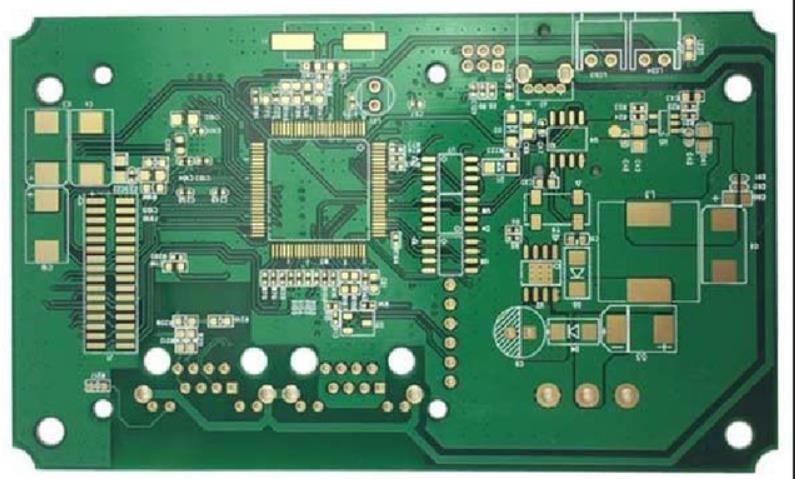
In today’s fast-moving electronics industry, PCB quick-turn prototyping has become essential for shortening development cycles and catching design flaws early. Whether you are working on IoT devices, wearables, industrial controllers, or consumer electronics, understanding PCB quick-turn prototype cost drivers helps engineers set accurate budgets and accelerate product iterations.
This article provides a detailed breakdown of major cost factors, USD price ranges, practical ways to reduce expenses, regional comparisons, and real-world application examples to help R&D teams make smarter decisions.
1. Why Quick-Turn PCB Cost Matters
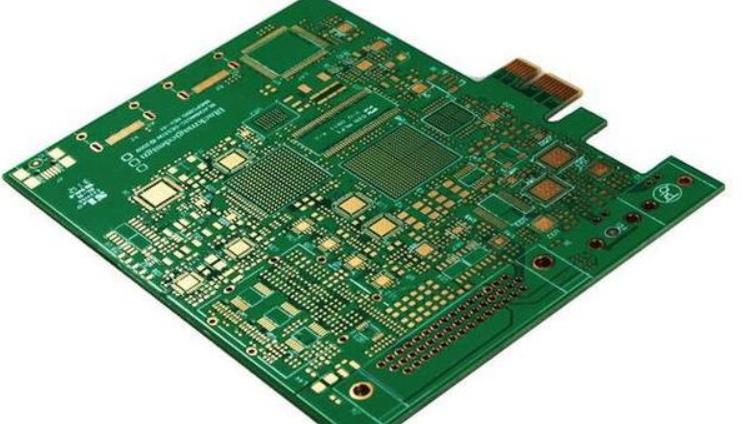
Quick-turn prototypes allow engineers to validate schematics, optimize layouts, and perform functional testing before committing to mass production. Because these are typically small batches (1–10 pieces), their cost structure differs significantly from high-volume production.
Transparent costing is vital for:
- R&D timeline planning
- Design iteration frequency
- Product reliability validation
- Overall project budgeting
Understanding the cost components enables faster development while avoiding unnecessary expenditure.
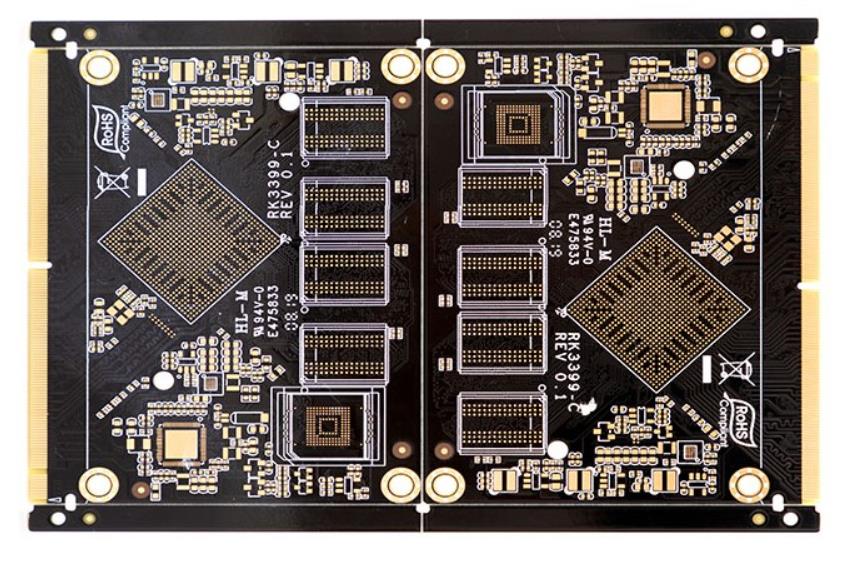
2. What Is PCB Quick-Turn Prototyping?
PCB quick-turn prototyping refers to circuit board fabrication completed within 24–72 hours, using streamlined processes for low-volume production to meet R&D testing needs.
Key features:
- Low minimum order quantity (1–20 boards)
- Rapid turnaround
- High design flexibility
- Early hardware validation support
Typical lead times:
- 24-hour: suitable for simple 2-layer boards
- 48–72 hour: for multilayer, HDI, or impedance-controlled designs
3. Main Factors Affecting Quick-Turn PCB Cost
3.1 Board Size and Layer Count
Larger boards consume more copper foil, substrate, and processing steps.
- 2-layer: lowest cost
- 4–6 layer: moderate
- 8+ layers: higher due to complex lamination
3.2 Material Selection
Standard FR4 is the most economical choice; high-end materials significantly increase cost:
- Rogers high-frequency laminates (microwave/RF designs)
- Polyimide (flexible PCBs)
- Aluminum-backed (LED or power electronics)
3.3 HDI Requirements
Microvias and high-density routing add fabrication complexity and expense.
3.4 Surface Finish
Different finishes impact both cost and application:
- HASL: cheapest
- ENIG: mid-range, preferred for prototypes
- ENEPIG: premium, for high-reliability designs
3.5 Number and Type of Drills
Blind, buried, and micro-vias significantly increase processing time and cost.
3.6 Solder Mask and Silkscreen Color
Special colors (yellow, red, matte black) may add a small premium.
3.7 Tolerances and Quality Class
IPC Class 2 is standard; IPC Class 3 (high-reliability) costs more.
3.8 Quantity
Although “quick-turn” implies small lots, ordering 5–10 boards reduces per-unit cost compared to single-piece orders.
3.9 Lead Time
Shorter lead times cost more:
- Same-day prototype: highest price
- 48–72 hours: best value balance
- 5–7 days: most economical
3.10 Special Processes
Impedance control, RF routing, flexible, rigid-flex, and metal-core boards carry higher costs.
4. Typical USD Price Ranges for Quick-Turn PCBs
- 2-layer (10×10 cm)
- 5 pcs, 3–5 days: $20–$50
- 48-hour delivery: $50–$80
- 24-hour delivery: $80–$120
- 4-layer
- 5 pcs, standard lead time: $80–$150
- 48-hour delivery: $150–$220
- 6-layer
- Standard lead time: $150–$260
- Expedited: $260–$400
- Flexible prototype: $60–$150 (depending on size and layers)
- Rigid-flex prototype: $250–$600 (complex process)
5. Hidden or Overlooked Costs
- Engineering setup (DFM review): $10–$50
- Shipping: $20–$45
- Assembly charges: stencil $15–$40, manual $0.015–$0.035 per solder joint
- Testing (impedance, flying probe, X-ray): $30–$100
6. How to Reduce Quick-Turn PCB Costs (USD examples)
- Optimize design rules: wider trace/space saves $10–$30 per board
- Choose standard materials: FR4 instead of Rogers/polyimide saves $40–$100 per board
- Reduce blind/buried vias: saves $20–$60 per board
- Extend lead time: 5–7 days saves $30–$70 per board
- Panelize multiple designs: combining 2–4 designs lowers unit cost by 10–20%
Typically, you can achieve 20–40% cost savings while maintaining quality.
7. Regional Price Comparison: China vs. USA vs. Europe
China
2-layer: $20–$50
4-layer: $80–$150
6-layer: $150–$260
Advantage: lowest cost, fast turnaround – ideal for IoT and consumer R&D
USA
2-layer: $80–$150
4-layer: $150–$250
6-layer: $300–$450
Advantage: short shipping, high quality – preferred for aerospace/defense
Europe
2-layer: $100–$180
4-layer: $200–$300
6-layer: $350–$500
Advantage: high precision manufacturing, strict quality systems
8. Price by Application Domain
| Application | Layers | Price (USD) | Notes |
|---|---|---|---|
| IoT device | 2-layer | $25–$50 | Simple FR4, small size |
| Wearable | 4-layer flex | $100–$180 | Polyimide adds cost |
| Industrial controller | 6-layer | $250–$400 | HDI, high reliability |
| Consumer electronics | 4-layer | $120–$220 | Moderate complexity, mid-volume |
| Automotive | 6-layer rigid-flex | $350–$600 | Strict quality standards |
This table highlights that application-specific requirements often outweigh region or lead time in cost impact.
9. Case Studies
9.1 Simple 2-layer IoT board
5 pieces, 10×8 cm
Cost: $35–$60
Lead time: 48–72 hours
9.2 6-layer high-speed digital board
4 pieces, impedance-controlled
Cost: $250–$350
Lead time: 4–6 days
9.3 4-layer flex prototype
3 pieces
Cost: $80–$180
9.4 Rigid-flex prototype
2 pieces
Cost: $300–$580
10. Why Choose GOPCB for Quick-Turn Prototyping?
With over 15 years of manufacturing expertise, GOPCB delivers high-precision, fast-turnaround PCB prototyping services for engineers and startups worldwide.
Key advantages:
- 24–48 hour quick-turn for 2–6 layer boards
- HDI, flex, rigid-flex, and RF capabilities
- Free DFM review and technical support
- Actual price benchmarks:
- 2-layer: $25–$45
- 4-layer: $80–$130
- 6-layer: $150–$230
- Shipping to over 80 countries
GOPCB is the preferred partner for engineers who need fast, affordable, and reliable prototype boards.
11. Summary
PCB quick-turn prototype cost is shaped by material, layer count, complexity, lead time, and application type. A clear understanding of these factors allows engineers to fine-tune budgets, cut unnecessary expenses, and accelerate development. Partnering with GOPCB ensures high-quality prototypes, rapid delivery, and transparent pricing.
12. Quick-Turn Pricing FAQ
How much does a 2-layer quick-turn PCB cost?
$20–$50, depending on size and lead time.
What is the cheapest way to prototype?
Standard FR4, minimize blind/buried vias, and choose longer lead times.
What is the fastest turnaround for PCB prototypes?
GOPCB offers 24–48 hour quick-turn service.
Which factors add the most cost?
Microvias, HDI, high-speed requirements, flex, and rigid-flex constructions.
Can quick-turn prototypes be used for production?
Yes, prototype data can guide DFM optimization and support production scaling.
Internal links:
Prototype PCB Assembly ·
Low-Volume PCB Assembly ·
High-Volume PCB Assembly ·
Turnkey PCB Assembly ·
SMT Assembly ·
Through-Hole Assembly ·
Mixed Technology Assembly ·
Flex PCB Assembly ·
PCB Design & Layout ·
PCB Manufacturing ·
Component Procurement