China Base Station PCB Suppliers: 2025 Price Comparison Guide
As global 5G and communication infrastructure expands, choosing the right base station PCB supplier has become one of the most important purchasing decisions in the telecom supply chain. High-frequency signal transmission, low insertion loss, and long-term stability all depend on the quality of base station PCB design and manufacturing. China has become the main production base for these boards thanks to mature automated processes, a complete material supply chain, and competitive pricing. This guide explains what makes a reliable supplier, which factors drive base station PCB price, and how to evaluate a partner for your next 5G project.
Why Chinese Base Station PCB Manufacturers Lead the Market
China’s position in communication and high-frequency PCB manufacturing comes from large-scale production capacity and mature automated processes. As 5G base station construction accelerates, demand is rising for high-layer-count, mixed-material boards that combine FR4 with high-frequency laminates. International communication and IoT companies choose Chinese manufacturers because of their balance of high-frequency performance, cost control, and fast delivery. Typical base station boards run from eight to more than thirty layers with strict impedance control, so suppliers need both engineering depth and production stability.
What Is a Base Station PCB?
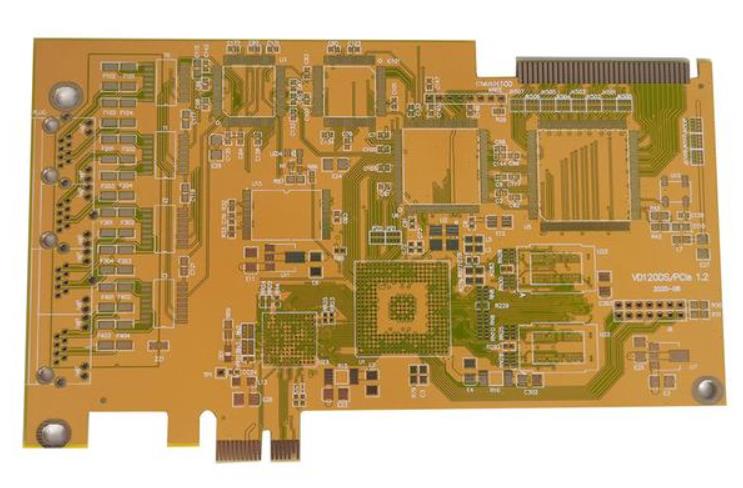
A base station PCB is the core board inside wireless communication equipment that carries high-frequency signals between the antenna and the signal-processing modules. These boards are usually multilayer structures with eight to thirty-six layers, controlled impedance, and good thermal performance. They are the foundation of 4G and 5G base stations, IoT gateways, and satellite communication systems. The global base station PCB market has been growing at a double-digit annual rate as carriers densify their networks and push coverage into new frequency bands.
Key Factors That Affect Base Station PCB Price
Base station PCB price depends on material type, layer count and board size, surface finish, precision requirements, and order quantity. High-frequency materials such as Rogers 4003C, 4350B, and PTFE cost more than standard FR4 but provide the stable dielectric performance that radio circuits need. ENIG and immersion silver finishes improve reliability but add cost. Tighter impedance tolerance, finer trace spacing, and deeper via plating raise manufacturing difficulty. Larger orders reduce unit price noticeably because setup and tooling costs are spread across more boards. As a general reference, pricing typically falls in the range of about $0.20 to $2.00 per board depending on specification and volume.
How to Choose a Base Station PCB Manufacturer
Selecting the right supplier starts with engineering capability. Confirm that the factory has real experience with high-frequency and microwave designs and that it can review your stack-up and layout before fabrication. Ask about impedance control capability and tolerance, maximum layer count, and supported material combinations such as Rogers, Taconic, and mixed FR4 stacks. Check whether the supplier offers design-for-manufacturing review, whether minimum order quantities match your project stage, and whether pricing is transparent with traceable raw materials. Export experience, responsive engineering support, and clear after-sales policies complete the picture.
Supplier Capabilities That Matter for 5G Projects
For high-frequency custom communication projects, look for a partner whose capabilities cover the full requirement set of a 5G board. Material support should include Rogers 4000 series, Taconic, PTFE, and hybrid FR4 structures. Manufacturing capability should reach high layer counts with impedance tolerance around five percent. Prototype lead times of a few days allow fast iteration, while flexible MOQ keeps development affordable. Free DFM review and professional engineering consultation prevent costly revisions. Finally, global delivery and documented quality certification make international projects predictable.
Our company supports high-frequency 5G communication board production with exactly this scope: multi-layer hybrid stacks, controlled impedance, prototype and volume runs, and engineering review from the first Gerber submission. The telecommunications PCBA solutions page shows how these capabilities are applied to real base station and network equipment programs.
Cost Comparison and Analysis
When comparing quotations, look beyond the per-board number. Order quantity changes the picture significantly: batches above one thousand boards typically reduce unit price by fifteen to twenty-five percent. Material choice dominates cost; Rogers-class laminates can cost three to four times as much as FR4, but the signal integrity they provide is essential for radio performance. Testing and tooling add a modest per-project amount, while international freight, duties, and certification fees are common hidden costs that should be stated clearly. A trustworthy supplier itemizes material, layer, finish, testing, and tooling so you can compare like for like.
Prototype to Volume: Matching Supplier to Project Stage
Engineering teams validating a new design need fast prototypes with flexible MOQ and strong technical feedback. Production teams ramping a network rollout need consistent quality, stable capacity, and documented process control. One supplier can cover both if it runs dedicated prototype lines and volume production under the same quality system. Working with a single partner from prototype through mass production avoids requalification and keeps design files, materials, and test criteria consistent. Before production begins, review the layout with the PCB design and layout team and confirm the stack-up with the PCB manufacturing department so impedance and thermal requirements are built in from the start.
How to Get an Accurate Base Station PCB Quote
Getting a fast, accurate quotation is straightforward when you prepare the right information. Submit Gerber files, layer stack-up, material requirements, impedance specifications, and expected quantity. Send these to the supplier by website form or email, and you should receive a detailed quotation within a day or two. After confirming the specification, production can begin immediately. Transparent pricing with no hidden fees and documented lead times protects both sides of the partnership.
Quality and Certification Requirements
Base station boards must survive years of outdoor operation, so certification and quality control are non-negotiable. Confirm that the factory operates under ISO 9001 quality management, holds UL recognition for the materials it processes, and follows RoHS requirements. Electrical testing should include impedance verification, automated optical inspection, and flying probe testing, with full traceability from raw material lot to finished board. Suppliers in the telecom and IoT sector usually serve export customers, so their documentation and packaging practices are already aligned with international logistics.
Frequently Asked Questions About Base Station PCBs
Q1. What layer count do 5G base station boards usually use? Most base station PCB designs run between eight and thirty-six layers. High-layer boards support dense routing and complex power distribution, while the outer layers carry high-frequency traces with controlled impedance. Your supplier should confirm that its maximum layer count and lamination capability match the stack-up before you commit to a design.
Q2. Which surface finish is recommended for communication boards? ENIG and immersion silver are common for high-frequency boards because they keep the surface flat and provide stable solderability and signal performance. Immersion silver offers excellent high-frequency characteristics at a moderate cost, while ENIG adds durability for repeated handling and long service life.
Q3. Can a supplier support both prototype and volume orders? Yes, many manufacturers run flexible prototype lines and dedicated mass-production lines under the same quality system. This keeps design files, materials, and test criteria identical when a project moves from validation to rollout, which shortens the transition and reduces requalification risk.
Conclusion
Choosing the right base station PCB supplier is the difference between a reliable 5G product and a field-maintenance problem. Evaluate engineering experience, high-frequency material capability, impedance control, transparent pricing, and quality certification together rather than optimizing on unit price alone. A partner that combines design review, prototype PCB assembly support, and volume manufacturing under one roof lets you move from concept to network deployment with fewer handoffs and fewer surprises. Start your next communication project with a clear specification, and let engineering feedback guide the design before the first board is ordered.