Unmanned aerial vehicle technology is reshaping the modern world, from military reconnaissance and agricultural spraying to logistics delivery and aerial photography. At the center of every reliable drone is a carefully designed printed circuit board. The drone PCB handles power distribution, signal processing, flight control commands, and sensor integration, acting as both the brain and the nervous system of the aircraft. A well-designed board improves flight stability and battery efficiency and keeps the electronics stable under high temperature, vibration, and radio-frequency interference.
As drones move toward smaller, smarter, and lighter designs, the quality of the drone PCB design matters more than ever. This guide explains what a drone PCB is, how its core subsystems are organized, which layout and material rules apply, and how testing and certification protect flight safety.
What Is a Drone PCB?
A drone PCB, sometimes called a UAV PCB, is the dedicated circuit board used in the electrical system of an unmanned aircraft. It manages electrical energy, transmits signals, and coordinates system control. Unlike boards in ordinary consumer electronics, a drone board must meet demanding requirements for light weight, vibration resistance, electromagnetic interference suppression, and high signal integrity. Its main job is to bring the flight controller, power management, communication, and sensing subsystems together on one platform so that the aircraft can perform precise flight control and real-time data exchange.
Core Subsystems of a Drone PCB
A typical UAV board contains several key electronic subsystems that work together during every flight. The power distribution system includes voltage regulators, power converters, and battery eliminator circuits that deliver stable current to every module. The flight control unit integrates a microcontroller, accelerometer, gyroscope, and barometer for attitude control and flight stabilization. Signal and data processing circuits use high-speed communication buses such as CAN, UART, SPI, and I2C to exchange data in real time. Communication modules add GPS, RF, Wi-Fi, or 4G/5G connectivity for positioning and remote control. Finally, payload and sensor interfaces provide data channels for cameras, LiDAR, and environmental sensors.
Drone PCB Layout and Circuit Design Principles
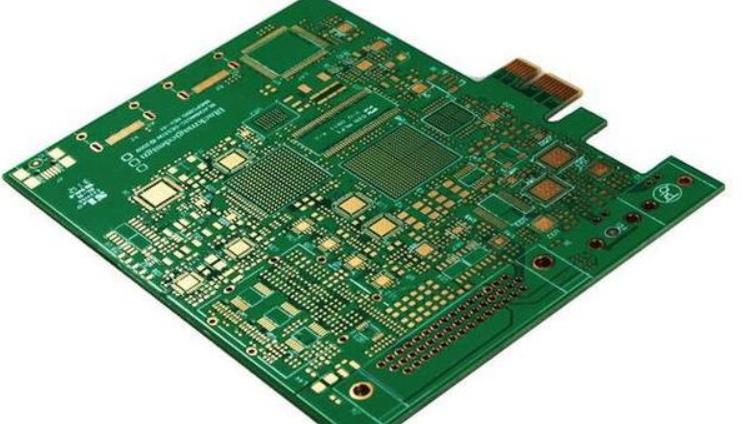
Good drone PCB design balances electrical performance, mechanical structure, and thermal management. Most flight boards use a multilayer stack-up of four to ten layers to guarantee signal integrity and a compact layout. A well-designed ground plane suppresses electromagnetic interference, while differential pair routing keeps GPS and video signals synchronized and resistant to noise. Space and weight are optimized continuously because every gram affects flight endurance. Engineers typically work in tools such as Altium Designer, KiCad, and Cadence to simulate and verify the layout before fabrication.
When the layout is complete, the design should be reviewed for manufacturability. Solder mask openings, via sizes, annular rings, and trace widths all need to fit within the capability of the production line. Our PCB design and layout team checks these details early so that the board can be fabricated without expensive revisions.
Material Selection and Manufacturing Process
Material and process choices directly affect the performance, reliability, and cost of a drone PCB. Standard FR4 suits most consumer and hobby drones, while Rogers laminates and polyimide are used for high-frequency or flexible designs, and aluminum-based boards provide excellent heat spreading. Rigid-flex boards are widely adopted in foldable drones and mechanically constrained structures because they replace fragile connectors with a continuous interconnection. HDI technology supports microvias and fine-pitch routing, which raises circuit density and integration in compact airframes.
Before production, the stack-up and material properties should be confirmed with the PCB manufacturing team, because layer count, copper weight, and surface finish all influence both electrical behavior and price.
Thermal Design, Structure and Environmental Protection
A drone operates in a demanding environment, so its board needs strong thermal and mechanical design. Heat is moved away from high-power components with thermal vias, heavier copper planes, or aluminum substrates. Solder joints and support structures are reinforced to survive flight vibration. Conformal coating protects the assembly from moisture, dust, and corrosion, and reliability testing such as thermal cycling, drop testing, and high-altitude simulation confirms that the aircraft can fly safely.
Emerging Technology Trends in Drone PCBs
Modern drone electronics are absorbing several generations of new board technology at the same time. Miniaturization and weight reduction extend endurance and increase payload efficiency. HDI and microvia technology allow higher density in a smaller area. Artificial intelligence and edge computing are being integrated directly onto flight boards for image recognition, autonomous navigation, and real-time decision making. IoT connectivity enables drone fleets to share data and return telemetry, while FPGA-based control boards improve high-speed signal processing and mission response.
Testing and Certification for Drone Boards
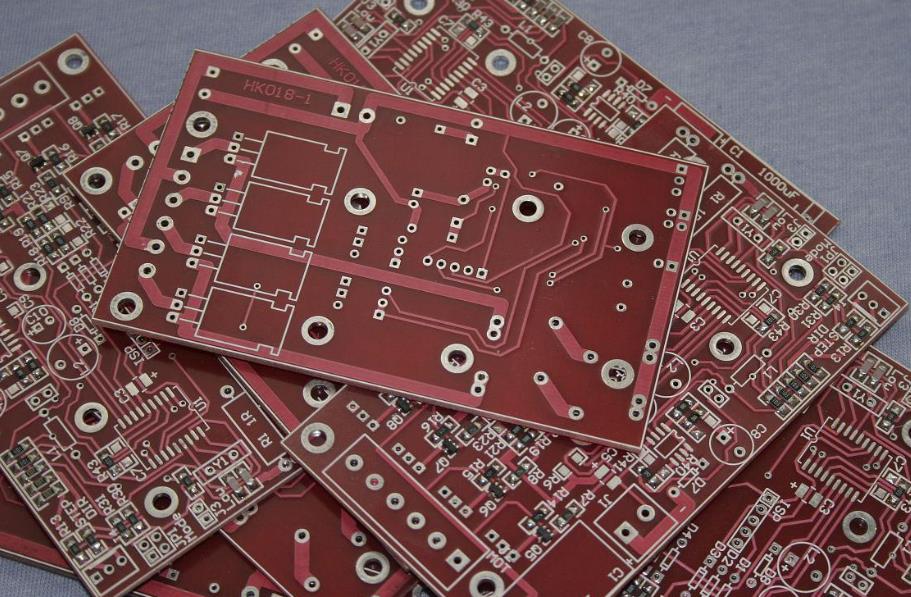
Every drone PCB must pass rigorous verification before delivery. Electrical testing includes automated optical inspection, flying probe testing, and online functional testing. Environmental stress testing simulates real flight conditions with vibration, humidity, and temperature cycling. Industry standards such as IPC-6012 for rigid boards and DO-160 for avionics hardware define the acceptance criteria that serious customers expect. If you need a quick validation run before mass production, our rapid PCBA prototyping service can produce functional samples in a short turnaround.
Cost Structure and Optimization Strategy
The cost of a drone PCB is driven by material and layer count, size and complexity, production volume, and surface finish. High-frequency laminates and HDI boards cost more than standard FR4, and dense routing with embedded components increases fabrication difficulty. Prototype-stage boards typically cost more per unit, while volume production lowers the price substantially. Surface finishes such as ENIG and HASL improve durability but add a small premium. Optimizing the stack-up, applying design-for-manufacturing rules, and consolidating the component purchasing plan help keep the total cost under control.
Working with a supplier that combines board fabrication, assembly, and PCBA testing removes hidden handoffs and lets the engineering team fix manufacturability issues while the design is still easy to change.
Common Drone PCB Design Mistakes to Avoid
Several recurring mistakes turn an otherwise good drone concept into an unstable aircraft. Placing the power regulator too close to the antenna damages GPS sensitivity, so keep switching noise away from RF circuits. Routing high-speed video lines as single-ended traces invites interference, while differential pairs with controlled impedance keep the picture stable. Ignoring motor current spikes starves the flight controller and causes brownouts during aggressive maneuvers. Crowding every function onto the minimum number of layers forces poor grounding and weak returns. Finally, forgetting thermal relief and board stiffness requirements leads to cracked solder joints after repeated flights.
Discussing these points in a design review before fabrication is much cheaper than debugging them after the first test flight. A short consultation with the manufacturing engineer usually identifies risks that simulation software cannot see.
Choosing a Reliable Drone PCB Manufacturing Partner
Look for a manufacturer with direct experience in UAV and avionics boards, documented quality systems, and flexible prototyping capability. Confirm the maximum layer count and minimum trace width the factory can hold, whether rigid-flex and HDI production are available on site, and how quickly samples can be turned around. Reliable partners share their quality data, maintain full traceability, and support international logistics.
Conclusion
Drone PCB design is the foundation of flight performance and system reliability. Every decision, from material selection and layer stack-up to thermal management and certification testing, directly affects the safety and capability of the aircraft. As the industry moves toward smarter and more automated platforms, the demand for high-performance, lightweight, AI-ready boards will keep growing. Start with a clean layout, verify the design with your manufacturer early, and test every board as if the next flight depends on it, because it does.