Display PCB Assembly Cost Guide: Monitor Circuit Board Pricing 2025
With the market for smart monitors, gaming displays, and industrial screens continuing to grow, demand for display PCB assembly services keeps rising. For OEMs and electronics engineers, one of the most common questions is still the same: how much does a display PCB cost? Understanding the cost structure of a monitor circuit board helps with budgeting, design decisions, and supplier selection. This guide explains the main factors that determine display PCB assembly price in 2025, gives realistic market price ranges, and shows how to keep total project cost under control.
What Is a Display PCB?
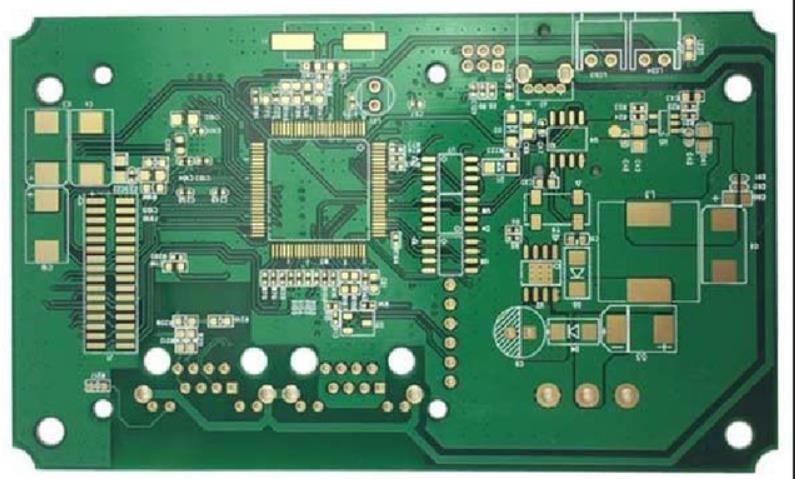
A display PCB is the core control board inside an LCD, LED, or OLED display. It connects and drives the key electronics, including signal processing circuits for HDMI, VGA, and DisplayPort interfaces, power management units with regulation and over-current protection, driver ICs that control pixels and backlight, and the connectors and ports that link the panel to the rest of the system. The quality of this board directly influences image quality, response speed, and power consumption of the finished display.
Display PCB Price Ranges in 2025
Market prices for display PCBs in 2025 typically fall between a few dollars and thirty dollars per board, depending on circuit complexity, layer count, and assembly requirements. A simple two-layer board for basic display applications generally costs the least. A four-layer mid-range board used in standard display control is more expensive, and a six-layer HDI board for gaming or high-end monitors sits at the top of the range because it adds dense routing and tighter impedance control.
Key Factors That Affect Display PCB Cost
Material selection is the first cost driver. FR4 remains the most common material for display boards, while aluminum-based boards are chosen for designs with demanding thermal requirements, and flexible boards add twenty to forty percent cost for applications that need thin, bendable interconnects. Layer count and board size are next: each additional layer raises the cost of copper, drilling, and lamination. Circuit density and complexity matter as well, because high-density routing and multi-chip layouts require finer registration and more careful assembly. The assembly method also plays a role; SMT placement is faster and more economical than manual through-hole assembly for most display boards. Finally, order quantity and lead time change the unit price, with larger batches spreading setup costs across more boards.
Regional Price Comparison
Where you manufacture affects the final price significantly. Chinese suppliers offer the lowest combination of price and quality thanks to mature SMT lines, an established component supply chain, and experienced operators. US production generally costs more because of higher labor and material overhead, and European suppliers are usually the most expensive because of strict environmental compliance and shorter supply chains. For volume programs, the cost difference remains meaningful even after international shipping and duties.
Cost Breakdown from Design to Assembled Board
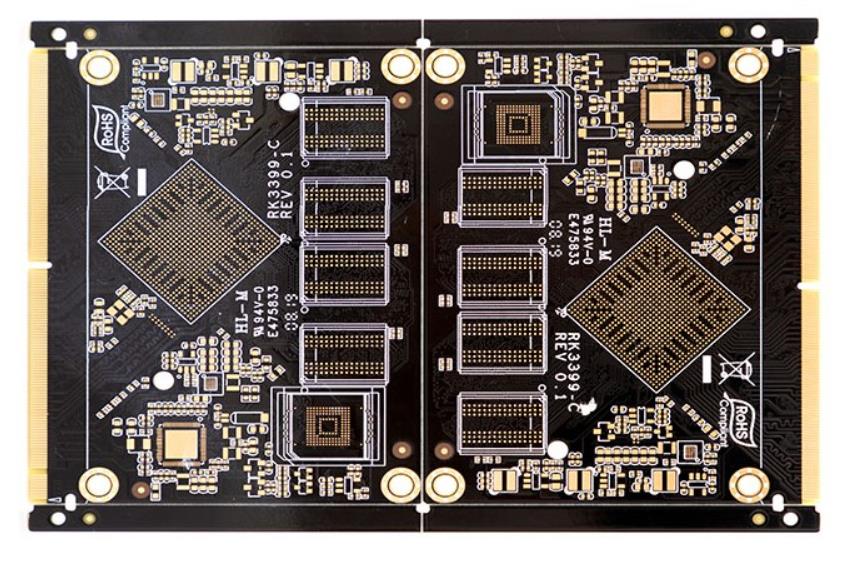
It helps to look at display PCB assembly cost as a chain of stages rather than a single number. Design and engineering, including circuit layout and DFM review, adds a small per-board amount. Bare board fabrication, covering lamination, drilling, and plating, is the manufacturing core of the cost. Assembly adds SMT placement and inspection, and testing and packaging complete the chain with functional verification and protective packing. When all stages are combined, a fully assembled display PCB can land in the twenty-to-thirty-dollar range for a mid-to-high-end design, while simpler boards cost considerably less.
Hidden Costs to Plan For
Several costs are easy to miss in the first quotation. Testing fees, stencil tooling for SMT runs, and international freight all add to the project total. Rework, expedited delivery, and tariffs can increase the budget by another ten to fifteen percent if they are not planned in advance. A transparent supplier that itemizes testing, tooling, and logistics lets you compare quotes accurately and avoid surprises later. Working with a partner that provides clear PCB assembly quotations with no hidden line items is the first step toward predictable project cost.
Unit Price versus Total Project Cost
A low unit price does not automatically mean a low total project cost. Yield, rework, and scrap have a direct effect on the real cost per delivered board. A board quoted at ten dollars that runs at ninety-five percent yield effectively costs more than ten dollars once scrap is included, while a supplier with a high first-pass yield keeps the effective cost close to the quoted price. Ask for first-pass yield data and defect records rather than evaluating suppliers on unit price alone.
Single-Sided versus Multilayer Display Boards
The number of layers defines the performance ceiling of the display. Single-sided boards are the most economical option for basic display functions. Four-layer boards are the standard for high-definition control circuits because they provide cleaner power and ground planes. Six-layer HDI boards support gaming and industrial displays that need high refresh rates and excellent signal integrity. Multilayer designs increase cost, but they noticeably improve signal quality and long-term stability in demanding applications.
How to Reduce Display PCB Assembly Cost
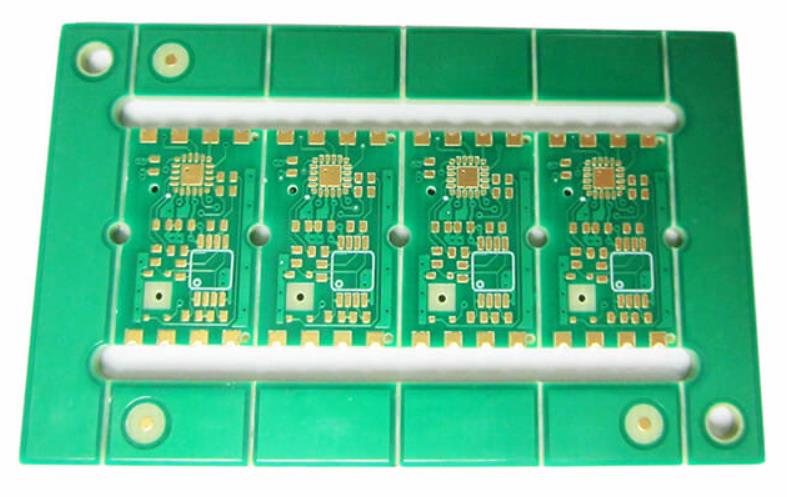
Cost reduction starts with the design files. Optimizing Gerber data and following DFM rules eliminates unnecessary rework. Using standard component packages improves sourcing and placement efficiency, and panelizing several small boards into one production panel reduces material waste. Sourcing directly from the manufacturer removes intermediary markup. Reviewing the layout with the PCB design and layout team before fabrication is the most effective single step, because changes are nearly free on screen and expensive after tooling begins.
Consolidating board fabrication with component procurement and assembly also lowers management overhead. A full-service partner orders parts, places them, and tests the finished board under one quality system. For display products with many small components, coordinated component procurement avoids the delays and cost of sourcing from several distributors.
Panel layout deserves special attention for display products. Because display controllers are often identical across a product family, grouping multiple panel variations into one production panel and standardizing the connector locations lets you order one board design for several screen sizes. This approach simplifies the bill of materials, increases purchase volume for shared components, and shortens the qualification cycle for new monitor models. Discussing your product roadmap with the manufacturer during the layout phase reveals these opportunities before the design is frozen.
Conclusion
Display PCB assembly pricing in 2025 is shaped by material choice, layer count, circuit density, assembly method, and order volume. By understanding each cost driver, planning for hidden expenses, and evaluating suppliers on yield and transparency instead of price alone, you can control cost without compromising performance. Start with a clean, manufacturable design, consolidate the supply chain, and confirm testing and logistics in the quotation so the project budget stays accurate from prototype to volume production.
Frequently Asked Questions
Q1. What information is needed for a display PCB quotation? Submit the Gerber files, bill of materials, and target quantity. With these three items, a manufacturer can return an accurate quote quickly.
Q2. How long does display PCB production take? Prototype boards typically take a few working days, while volume production generally runs one to three weeks depending on layer count and testing requirements.
Q3. Can small quantities be ordered? Yes, most manufacturers accept low-volume prototype orders, which is essential for validating display designs before committing to mass production.
Q4. Is one-stop assembly available? Full-service suppliers provide component sourcing, SMT placement, and functional testing, so you receive tested boards ready for panel integration.