Non-Standard PCB Cost: Complete Price Breakdown Guide
Why Non-Standard PCB Pricing Is Different
Electronics are moving toward smaller size, higher performance and deeper customization, and the demand for non-standard PCBs is growing fast. Compared with a regular board, a non-standard PCB usually has special dimensions, unusual shapes, specialty materials, high layer counts or advanced processes, so its cost spread is wide. Engineers and buyers ask the same question again and again: how much does a non-standard PCB actually cost?
There is no single fixed price. Material, layer count, process complexity, precision requirements and order quantity all drive the number. This guide breaks the cost down completely so you can budget a custom board project accurately and avoid the surprise quotes that appear when engineering and CAM work is added after the order starts.
gopcb manufactures complex non-standard boards through its PCB manufacturing service.
What Counts as a Non-Standard PCB?
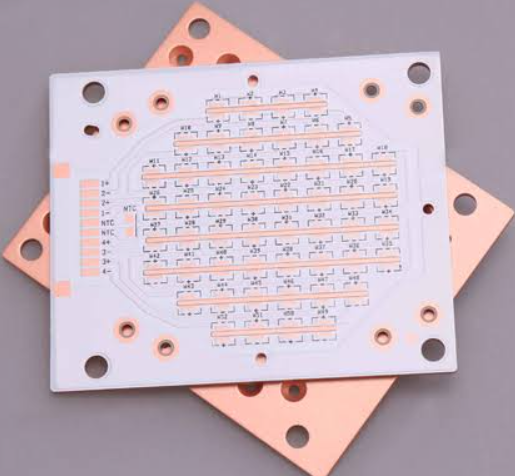
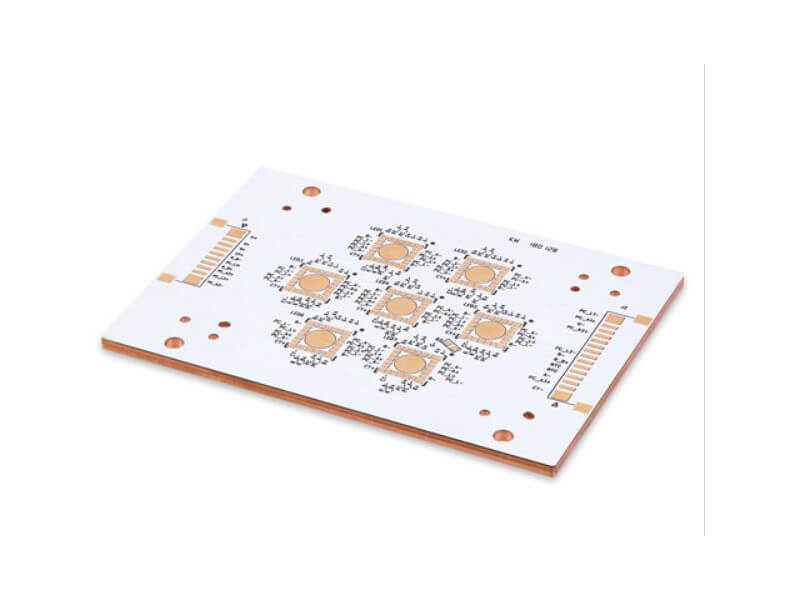
A non-standard PCB is any board that goes beyond routine manufacturing specifications. Common types include shaped PCBs with round, curved or irregular outlines, very thin or very thick boards, high layer counts above eight layers, rigid flex boards, metal base boards in aluminum or copper, HDI boards, high frequency RF laminates, embedded component boards and thick copper designs.
These boards need customized engineering, dedicated materials and more complex processes, which is why their cost is clearly higher than a standard rectangular FR-4 board of the same size.
Why Custom Boards Cost More
Standard PCBs ride on mature batch production with standardized material and process, so efficiency is high. A non-standard PCB needs extra engineering review and CAM work, special substrate procurement, custom drilling and routing, more quality inspection, lower yield in some processes and longer manufacturing cycles. Each of those items adds real money to the total, and several of them apply to every board in the order rather than just the first piece.
Key Cost Drivers for Non-Standard PCBs
Board size and shape. Larger boards consume more material, and shaped outlines increase routing difficulty. A round board typically adds 10 to 20 percent over the rectangular baseline, complex irregular shapes add 20 to 50 percent, and multi panel complex structures can add 30 to 60 percent because material utilization falls.
Layer count. Layer count is one of the largest single cost factors. Prototype reference prices are roughly 5 to 30 USD for two layers, 20 to 80 USD for four layers, 50 to 150 USD for six layers and 100 to 400 USD or more for eight layers and above, before special materials are considered.
Material. Standard FR-4 is the baseline. High Tg FR-4, aluminum and metal base boards, Rogers high frequency laminates, ceramic and hybrid materials each add a significant premium, and lead time can also stretch when the laminate must be ordered.
Process complexity. Blind and buried vias, microvias, via in pad, HDI construction, impedance control, back drilling, heavy copper and sequential lamination all require extra process steps and equipment time.
Precision and tolerance. Tight dimensional tolerances, controlled impedance windows and demanding registration raise inspection effort and reduce process windows.
Quantity. Engineering and tooling cost is amortized across the batch. A one piece prototype carries the full engineering load while a volume order spreads it over thousands of panels.
Typical Cost Structure of a Custom Board
For a non-standard project, engineering and CAM review typically account for about 10 percent of the quote, materials 20 percent, fabrication processes such as imaging, etching and drilling 25 percent, lamination 15 percent, surface finish 10 percent, testing and inspection 10 percent, and packaging and logistics 10 percent. The exact split moves with the design, but the message is consistent: engineering and finish items that buyers ignore are a measurable share of the price.
That structure explains why a small shaped board can cost more than a larger standard rectangle, and why asking for a DFM review before quoting is the cheapest step in the entire project.
Another practical way to compare non-standard pricing is against the standard baseline. A rectangular four layer FR-4 prototype with HASL may cost 20 to 60 USD, while the same circuit in an irregular outline with ENIG, blind and buried vias and controlled impedance can easily reach 150 to 400 USD. The added cost comes from real process steps: extra CAM time, routed profiles with low utilization, additional lamination cycles and full impedance testing on every panel. Knowing that comparison helps product teams decide whether the shaped board is worth its premium or whether a small design change to a rectangular profile would release the budget for other features.
Price Examples by Application
Industrial control PCB with four layers, FR-4, ENIG and a shaped outline runs about 80 to 200 USD per prototype and 5 to 20 USD per board in volume.
Automotive radar PCB using Rogers high frequency material, eight layers and impedance control runs 500 to 2000 USD per prototype and 30 to 150 USD per board in production.
Medical device PCB with HDI structure, high reliability requirements and ENIG runs 300 to 1500 USD per prototype and 15 to 80 USD per board in volume.
Aerospace PCB with high layer count, special certification and advanced inspection can run 1000 to 10000 USD or more per prototype and 100 to 500 USD per board in production.
How to Reduce Non-Standard PCB Cost
Start by optimizing the outline. Avoiding an aggressively shaped board removes routing time and wasted material. Simplify the stack-up and keep the layer count to what the function really needs, which lowers lamination and registration cost. Prefer standard material unless the project truly needs high frequency or specialty laminates, and limit HDI features such as blind and buried vias, microvias and via in pad to the areas that require them.
Increase order quantity where possible so engineering and tooling are spread across more boards, and complete a DFM review before release. Each of these levers is small alone, but together they routinely cut 20 to 40 percent from a non-standard quotation while keeping performance identical.
Manufacturing Capability for Custom Boards
A reliable non-standard PCB partner should support up to 40 layer fabrication, HDI and microvia technology, rigid flex construction, thick copper, Rogers high frequency laminates, aluminum and metal base boards, quick turn prototyping and full DFM engineering. gopcb offers these together with PCB assembly so a shaped board or exotic material does not create a handoff problem later in the project, and its PCB design and layout team can suggest outline and stack-up changes that cut cost without changing function.
FAQ
What is considered a non-standard PCB? Any board requiring special size, shape, material, structure, tolerance or process beyond routine manufacturing capability.
Why is a non-standard PCB more expensive? It needs extra engineering, custom tooling, specialty materials and stricter quality control.
How much does a non-standard prototype cost? Most prototypes fall between 50 and 2000 USD, while very complex aerospace or RF boards can exceed 10000 USD.
How can I lower the cost? Optimize the design, reduce layer count, use standard materials and increase production quantity.
How long does a custom PCB take? Regular prototypes take 3 to 7 days, non-standard prototypes 7 to 15 days, and complex HDI or rigid flex boards 15 to 30 days.
Get a Non-Standard PCB Quote
Non-standard PCB prices span from tens of dollars for a simple prototype to thousands for high end aerospace or RF boards. Board size, layer count, material, manufacturing complexity, precision and quantity set the final number, and the cheapest way to control it is to understand the cost structure before you send files. gopcb specializes in high complexity non-standard PCB manufacturing for industrial, automotive, medical, communication and aerospace customers. Send your design for a free DFM review and a detailed non-standard PCB cost breakdown today.