



Heater Circuit Board: Functions, Components and Applications in 2026
Why the Heater Circuit Board Matters
Accurate temperature control is essential across modern electronics. From home appliances and industrial machines to medical and automotive systems, the heater circuit board is the component that manages heat precisely and safely. A well designed heater PCB handles high current, resists thermal stress and keeps the temperature stable over years of use. This guide explains the functions, components, design rules, applications and 2026 pricing so you can build a reliable heating system.
What Is a Heater Circuit Board?
A heater circuit board, or heater PCB, is a printed circuit board built specifically for heating control and temperature regulation. Unlike a normal PCB, it can withstand high temperature and thermal cycling stress, support large current loads and conduct heat well. In practice the board integrates heating elements, temperature sensors and control logic into one system that delivers stable, safe temperature control.
Core Functions of a Heater PCB
Temperature control. A thermistor such as NTC or PTC, an RTD or a thermocouple measures the temperature in real time. The control loop keeps the set point constant. Power management. The board regulates the voltage and current, supplies the heating element and prevents overload and abnormal current. Safety protection. Over temperature protection, short circuit protection and surge suppression keep the system safe. Smart control. Modern heater boards integrate a microcontroller, a control algorithm and IoT connectivity for remote management.
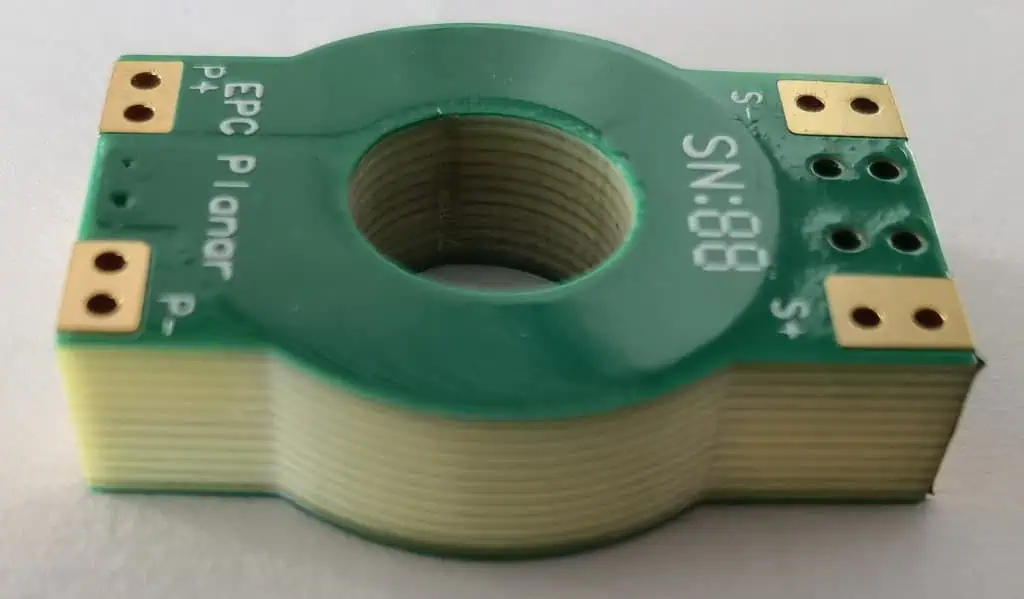
Key Components
Heating element. A resistance wire, a heating film or a ceramic heater converts electricity into heat. Temperature sensor. NTC or PTC thermistors, a thermocouple or an RTD provide the temperature feedback. Power switching device. A MOSFET, TRIAC or relay turns the high power current on and off. Control unit. A microcontroller and driver chips handle automation and logic. Each part must match the power level and thermal budget of the application.
Choosing the Right Substrate
FR4 is low cost and suits ordinary heating equipment. Aluminum backed boards have excellent heat dissipation and are used in high power heating systems. Ceramic substrates resist high temperature and keep stability, which makes them the choice for industrial and medical devices. The material choice balances temperature capability, cost budget and the operating environment.
The copper weight also plays a role. Thicker copper carries more current and spreads heat better, so a high power heater board often uses 2 oz copper or more. A thin board with fine traces works for low power devices, but it cannot take the same current. Match the copper thickness to the heating element power and the expected operating temperature to avoid hot spots.
Types of Heater PCB
A single layer heater board is simple and cheap, while a multilayer board handles more complex control. A flexible heater board fits curved or space constrained areas, and a ceramic heater board serves high temperature, high reliability environments. Pick the type based on the power, shape and duty cycle of the product.
The thermal path starts at the heating element and moves out through the board, the vias and the heatsink. If any link is weak, the element runs hot and the board ages faster. A good design spreads the heat over a larger area before it reaches a component, which keeps the junction temperature low and the life long. Use a thermal simulation or a thermal camera on the prototype to confirm the temperature distribution.
Design Essentials
Thermal management. Use thermal vias, large copper pours and a heatsink or airflow path to spread heat. Material strategy. Balance temperature capability against budget and environment. Layout. Widen high current traces, add safety spacing and avoid local hot spots. Certification. Follow UL, CE and RoHS requirements where the product is sold. Good thermal design is the single biggest factor in heater board life.
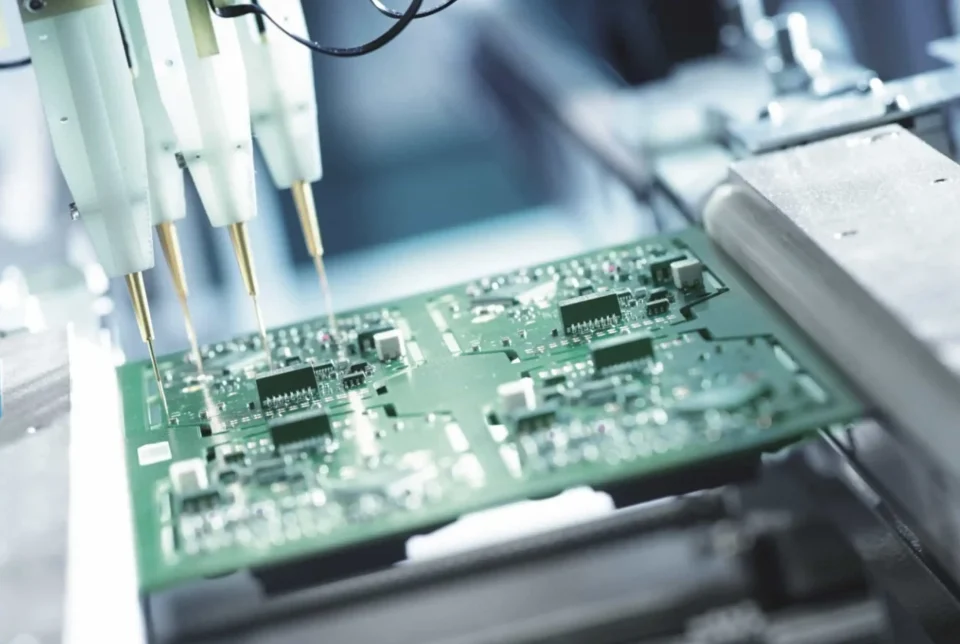
The assembly method depends on the substrate. FR4 and aluminum backed boards use a standard SMT line, while a ceramic board needs a specialized soldering process because it is brittle and conducts heat differently. The connector and wire gauge also matter, since the heater element draws a steady high current. Ask the supplier how they handle the material, the finish and the wire termination for your board.
Applications
Home appliances use heater boards in ovens, water heaters and coffee machines. Industrial equipment relies on them for heating systems and injection molding. Automotive systems use them for seat heating and HVAC. Medical devices use them in incubators and analytical instruments. Smart thermostats and IoT heating devices also depend on a heater board to turn electricity into controlled warmth.
Common Problems and Troubleshooting
Poor heat dissipation leads to overheating, a power device such as a MOSFET can burn out, and the board can delaminate or carbonize under stress. To prevent these, optimize the cooling structure, use high quality components and inspect the system regularly. Catching a failure early avoids a costly recall or a damaged product.
2026 Manufacturing and Pricing
The price of a heater board depends on the material, layer count and size, assembly complexity and power level. As a reference, an FR4 heater board runs about 5 to 20 US dollars, an aluminum backed heater PCB about 15 to 50 US dollars, a ceramic heater PCB about 50 to over 150 US dollars, and a custom assembled heater board about 30 to over 200 US dollars. Rapid prototyping and volume production are both available from a capable supplier.
The control loop can be as simple as a comparator or as advanced as a PID algorithm on a microcontroller. A precise loop reduces temperature overshoot and holds the set point, which matters for processes like curing, sterilization or wafer heating. Decide how tight the tolerance needs to be before you choose the sensor and the controller, because a more accurate sensor and a faster control loop add cost.
How to Choose a Manufacturer
Look for industry experience and case studies, strong material and process capability, certifications, good technical support and a reliable lead time and price. A one stop supplier with thermal management design support, stable delivery and global service will keep your product moving quickly. Confirm they can validate the thermal profile and the assembly before you commit to production.
Start with PCB manufacturing, use PCB prototype service to verify the thermal design, and apply PCB design and manufacturing best practices to keep the board reliable.
Future Trends
Heater boards are becoming smarter and more connected. High efficiency heating design, new high thermal conductivity materials such as ceramic composites, and miniaturization with higher integration are all advancing. As products get smaller and more intelligent, the heater PCB must control heat precisely while staying compact and dependable.
For a production heater board, every board should come with a documented test profile covering the resistance, the thermal performance and the safety limits. That traceability lets you confirm the next batch meets the same standard as the approved prototype.
FAQ
How long does a heater circuit board last? Typically 5 to 10 years depending on the material and environment.
Which material is best for a high temperature application? A ceramic PCB is the best choice.
Can the heater PCB be customized? Yes, a good supplier offers full custom design and assembly.
How can I improve heater PCB efficiency? Optimize the thermal design, use quality materials and add a smart control system.
