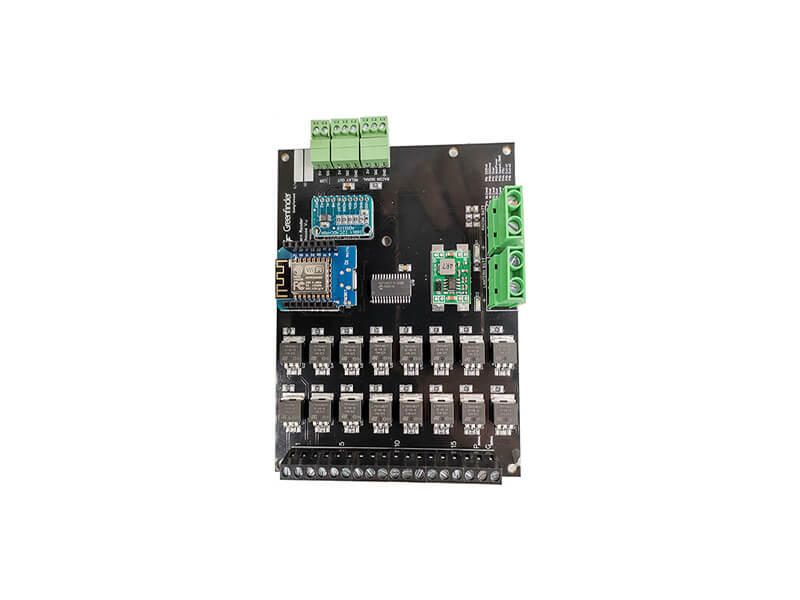
Small Batch SMT Assembly: What Separates a Good Factory
At small volumes the choice of assembly partner matters more than the price. A few dozen boards look like a low-risk order, and the temptation is to take the cheapest quotation. What usually follows is a batch with poor joints, shifted parts and missing components, and a rework effort that costs more than the assembly did. Small batches exist to prove a design works, and if the assembly quality varies, the debugging session cannot separate a design problem from a soldering problem, which slows the whole project.
Where Small Batches Go Wrong
The reason small volumes are difficult is structural. A large factory does not want them, because a line has to be changed over for a short run and the changeover can take half an hour before a single board is built, so the margin on a few dozen units does not cover the disruption. A small workshop will accept the order, and may not have the equipment accuracy or the process control to build it: a 0201 part may not sit reliably, and a ball grid array may not yield at all.
The demand that a small batch makes on a factory is flexibility. Changeovers are frequent, new products arrive constantly, and the process cannot be carried by a standard route. It is carried instead by equipment capability and by the accumulated experience of the engineers running it.
Placement Capability
The first question is what the smallest component the line can place is. Modern high-speed placement machines hold an accuracy of roughly plus or minus 25 micrometres, which is enough for most 0201 and fine pitch work, and the useful answer is a demonstrated one: the smallest part the factory actually places in production, not the smallest one in the machine specification.
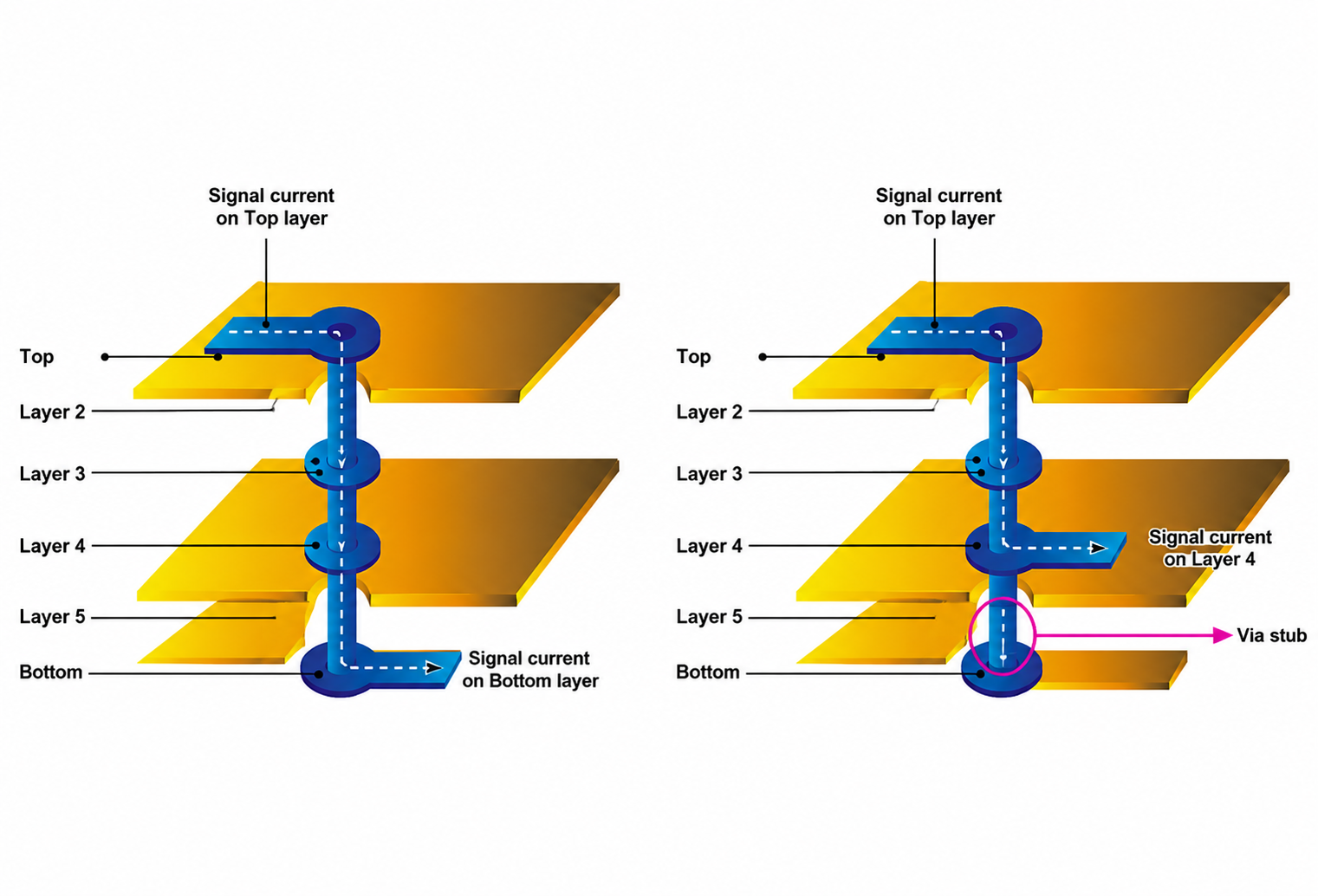
Ask about bottom terminated packages as a separate question. A small batch SMT order that includes QFN or BGA devices requires more than placement accuracy: it requires the paste volume to be right, the profile to suit the thermal mass, and a way to inspect joints that cannot be seen. Ask also whether the line can place mixed technology, because a board with both surface mount and through-hole parts is common in instruments and in industrial products.
Inspection and Traceability
The second question is what the factory can see, and at which stage.
Solder paste inspection after printing measures the height and the covered area of the deposit. It is the only check that catches an unstable print before the components are placed on it, and it turns a printing problem into a printing correction instead of a rework operation.
Automated optical inspection after reflow looks for joint defects, misplaced or rotated components and missing parts. On fine pitch work it is effectively the acceptance stage.
X-ray inspection is used where the joints are underneath the package, which means ball grid arrays and, in some cases, QFN thermal pads. Without it, a BGA joint that is open or voided cannot be seen at all.
A factory with all three stages can attribute a defect to the stage that produced it. A factory that relies on visual inspection can only report that a board is bad, which means the corrective action is a guess and the next batch repeats the problem.
Engineering Responsiveness
The third question is how the factory behaves when something changes. A change to the bill of materials, a process adjusted for a new component, an urgent additional order: all of these are normal in a development project, and a partner who has to re-plan the schedule for each one becomes the constraint on the project rather than the solution.
The indicator worth asking about is the engineering contact. A factory that has a defined engineering interface for small projects can assess a bill of materials change the same day and adjust the line the next. One that has no such interface will process the request as a new order, and the delay is the answer.
Lead Time Stability
The fourth question is whether the promised date is real. A development project has a test, a sample shipment or a client demonstration behind the assembly date, so a delay is not just a delay in the factory.
A factory that quotes a fast turnaround for small volumes is usually one with spare capacity and a scheduling system that can absorb a short run. A factory that quotes a week or more for a few dozen boards is either constrained by capacity or treating small orders as low priority, and the same behaviour will appear at higher volumes. The question is worth asking about past orders rather than about the current one.
Making the Comparison Fair
The comparison that matters is not the assembly price but the total cost of getting usable boards. Add the rework cost, which is the labour plus the components consumed, the delay and the debugging time that was spent on assembly faults rather than on design faults, and the cheapest quotation often stops being the cheapest option.
The other half of the comparison is what each quotation includes. Paste inspection, optical inspection, X-ray on the parts that need it, functional testing and the documentation of results may be listed separately or omitted. A quotation that appears higher may simply be the one that includes the inspection the others assume you will not need.
Our low volume PCB assembly service is built around short runs with the same inspection regime as volume production, and the data package that makes a small order run smoothly is the same one our design review asks for at the start. Where a project is expected to grow, the arrangement is set up so that the pilot and the production build use the same process, which is the subject of our high volume PCB assembly work.
The Data Package Behind a Smooth Small Batch
A small order runs smoothly or badly for reasons that are visible before the line starts. The package should contain the Gerber data, the bill of materials with the permitted alternatives named, the placement coordinates, the assembly drawing with orientation and polarity marked, the panel drawing and the acceptance criteria. Missing orientation marks and unapproved substitutes are the two items that most often stall a first build, because both force a decision to be made on the line while the machine is waiting. It also helps to state what the boards are for: a design verification build and a pre-production sample have different acceptance criteria, and the inspection level should follow the purpose rather than the price. Where the product will be certified as a whole, the acceptance criteria come from the standard rather than from the assembly agreement.
FAQ
What is the smallest order worth placing? The point is not the quantity but the inspection. A single panel built with paste inspection and optical inspection gives more information than a hundred boards built with neither.
Is X-ray always necessary? Only where the joints are hidden. A board with no bottom terminated packages does not need it, and a board with a ball grid array cannot be verified without it.
How can a first-time project reduce risk? By supplying a complete data package, agreeing the inspection level in advance and reviewing the first article together before the batch is completed.