PCB Tooling Cost Structure Explained
A tooling charge is a single figure on a quotation that covers a group of one off costs, and customers often treat it as a fee rather than as a cost. In a board shop it is the opposite: it is a set of real expenses that occur once per order, and how they are recovered is one of the most useful decisions the shop makes. Understanding the tooling cost structure explains why a small order is expensive, why a repeat order is cheaper, and why a specification change after tooling has been made costs more than the change itself.
What Is Inside the Charge
Tooling covers the items that are made or bought once for a particular board and then used for the whole order. That includes the drill program and the drill file verification, the artwork or the photoplot films, the screens for the legend, the test fixture or the probe program, and any routing or profiling tool that has to be shaped for the outline. Each of these has a maker and a production slot, so each has a real cost that does not change with the number of boards built.
The list should be written down for each order, because the composition varies. A simple two layer board with a rectangular outline may need almost nothing beyond artwork and a drill file, while a dense multilayer board with an unusual outline may need a dedicated fixture, a shaped routing tool and a set of screens. Presenting the charge as one number without its composition makes it impossible to argue about, and impossible to reduce when the next order is quoted.
Setup Cost Is Not Tooling
Setup cost is the time spent preparing a machine for a particular product, and it recurs with every order however many boards are bought. Changing a stencil on the printer, loading a program on the placement machine, and establishing a reflow profile are all setup activities, and their cost is proportional to the number of times the order is run rather than to the number of pieces. A repeat order pays the setup again even though it pays no new tooling.
Keeping the two apart matters because they respond to different actions. Tooling is reduced by simplifying the design or by reusing existing artwork, while setup cost is reduced by running larger batches, repeating orders without interruption, or reducing the number of changeovers. A shop that blends the two cannot tell a customer which of the two they are being charged for, and the customer cannot make an informed decision about quantity.
Fixture and Screen Costs
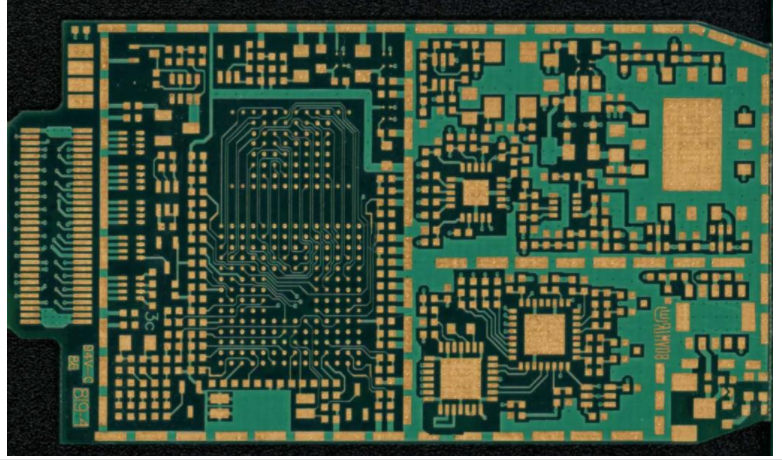
Fixture cost is the largest single item in many tooling charges. An in circuit test fixture has to be built to the board, drilled and wired for the nets, and verified against a known good board, and the work is skilled and slow. An assembly fixture or a pallet for a delicate board is cheaper but still specific, and a bed of nails fixture for a high node count board can cost more than the boards themselves at low volume.
Screens for legend printing and stencils for paste deposition sit in the middle. Screens are relatively cheap and easy to remake, while a stencil with a fine aperture design has to be produced by a laser and checked before use. Fine pitch apertures also mean that the stencil wears faster, so a high volume order may need more than one. The stencil aperture design therefore has a cost consequence that appears in the tooling line rather than in the process line.
Amortization and Order Quantity
Amortization is the act of spreading a one off cost across the units in the order, and it is where most of the confusion about board pricing comes from. A five thousand unit order can absorb a tooling charge almost invisibly, while a fifty unit order has to carry the whole charge on each board. The arithmetic is simple but the consequence is dramatic: the same board can appear to cost five times as much for the same price list.
Shops handle this in different ways. Some quote the tooling separately, which keeps the unit price comparable across quantities and makes the fixed cost visible. Others fold it into the unit price, which produces a smoother looking quotation but hides the reason for the jump at low volume. Either approach works if it is applied consistently, and the choice should be explained on the quotation so that the customer can compare like with like.
Reusing Tooling on Repeat Orders
Tooling that has been made once can often be used again, which is one of the strongest arguments for staying with the same supplier on a repeat order. Artwork, drill programs and test programs can almost always be reused, and a fixture can be reused as long as the board has not changed. The savings are real and should be visible to the customer, because a repeat order that is quoted at the same price as a first order is a signal that the reuse is not being passed on.
Retention is the other half of the picture. Tools have to be stored, protected and found again, and a shop that keeps thousands of items in an unmarked rack will eventually remake something it already owns. A simple index that ties the tool to the part number, with the storage location and the date, converts the tooling stock from a cost centre into an asset that shortens the next quotation.
Changes After Tooling Is Made
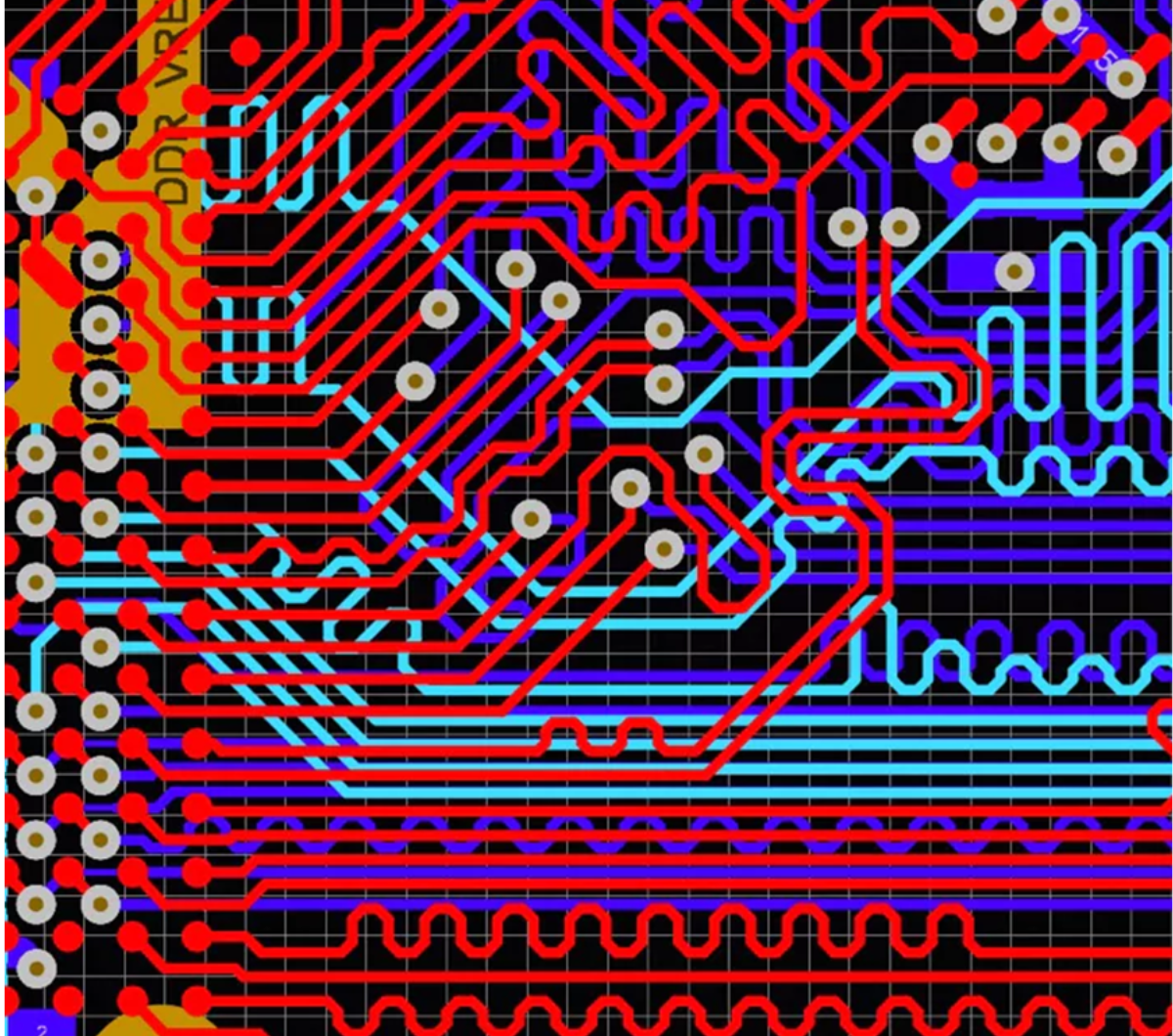
A design change after tooling has been produced can cost more than the change itself. New artwork, a new drill program, a new stencil and a new fixture may all be needed, and if the change happens after a batch has been built, the material in that batch may also be lost. This is why the design freeze is worth respecting, and why the free or low cost change window that many shops offer is deliberately placed before the tooling is ordered.
The shop can reduce this risk by confirming the package before releasing tooling. A final check against the fabrication notes that covers the stackup, the outline, the drill table and the finish takes a few minutes and catches the majority of late changes. Customers accept a short confirmation delay far more readily than they accept a tooling rework charge, and the cost reduction that comes from getting it right the first time is larger than any negotiation about the charge itself.
Practical Rules
List the tooling items for every order, quote the charge separately from the unit price where possible, and show the customer what each item covers. Distinguish tooling from setup in the internal costing, since only one of them disappears on a repeat order.
Index and store the tooling so that it can be found and reused, and confirm the package before the tools are ordered. The purpose of the structure is not to maximise the charge but to make the one off costs visible, so that quantity decisions, design freezes and supplier choices can be made with their real consequences in view.
FAQ
Why is tooling charged on a repeat order? Often it is not. Artwork, drill programs and fixtures are usually reusable, but setup still has to be paid again because it recurs with every run.
Is a separate tooling charge better? It usually is for comparison, because the unit price stays comparable across quantities and the fixed element is visible rather than hidden.
What makes a fixture expensive? Node count, board size, the need for double sided access and the precision required. A high node count fixture can cost more than the boards at low volume.