5S Workplace Organization in a PCB Shop
5S is a workplace organization method with five steps, and in a board shop it produces three practical results rather than a tidy appearance. Setups get shorter because tools and materials are where they are needed, faults become visible because deviations are obvious, and contamination is reduced because clean surfaces and covered material prevent it. The method is often dismissed as housekeeping, which is unfortunate, because housekeeping is one of the few things that improves quality without changing any process parameter.
The Five Steps in a Board Shop
The five steps are sorting, setting in order, shining, standardising and sustaining, and each has a specific meaning on a production floor. Sorting removes what does not belong at the workstation, including obsolete documents, unused tools and material for another job. Setting in order gives every remaining item a defined place, so that its absence is immediately visible and its location does not depend on who used it last.
Shining is cleaning, and it doubles as inspection, because dirt, leaks and wear are found while they are still small. Standardising writes down the arrangement so that it can be maintained by anyone, and sustaining is the habit of checking. The last step is the one that decides whether the other four survive, and it is almost always the one that receives the least attention. It is also the cheapest of the five, because it consists of a short check rather than a purchase or a rearrangement.
Why It Matters on a PCB Line
A board shop has specific reasons to care about workplace organization. Loose dust and debris cause defects in imaging and mask printing, misplaced tools cause setup delays and wrong adjustments, and unlabelled material causes mix-ups that are expensive to detect and impossible to undo once the panels are laminated. None of these is a process problem, and all of them produce scrap.
The gains are measurable. Time spent searching for a tool, a stencil, a program or a fixture appears as changeover time and as idle time, and it is usually the first thing to fall when the area is organised. Contamination-related defects fall as coverings and cleaning become routine, and mis-labelling incidents fall once the material areas are marked and the rules are followed.

Visual Management
Visual management is the part of 5S that turns an arrangement into a control. A shadow board shows at a glance which tool is missing, a marked floor area shows when a queue is over its limit, and a colour code on material shows what is released and what is held. Each of these communicates a state without anyone having to read a document or ask a question.
The test of a visual control is whether a stranger can tell that something is wrong without any explanation. If so, it works; if it requires a key, a legend or a supervisor, it is decoration. Good visual controls are cheap, and they usually replace a report rather than adding to one, which is why operators tend to accept them quickly.
Housekeeping and Process Protection
Housekeeping in a board shop is process protection rather than appearance. Dust settled on a panel before imaging becomes a defect, residue on a conveyor becomes a source of defects, and material left uncovered in a humid area absorbs moisture. Cleaning schedules that are tied to the process, rather than to a general tidiness standard, address these directly and can be justified on quality grounds alone.
The schedule should distinguish between the cleaning that operators do as part of the task and the cleaning that is done periodically. Wiping the work surface between jobs belongs in the task, while cleaning a conveyor, a filter or a tank belongs to a planned routine with a record. Mixing the two produces either a routine that never happens or an operator checklist so long that it is signed without being performed.
Shop Floor Discipline
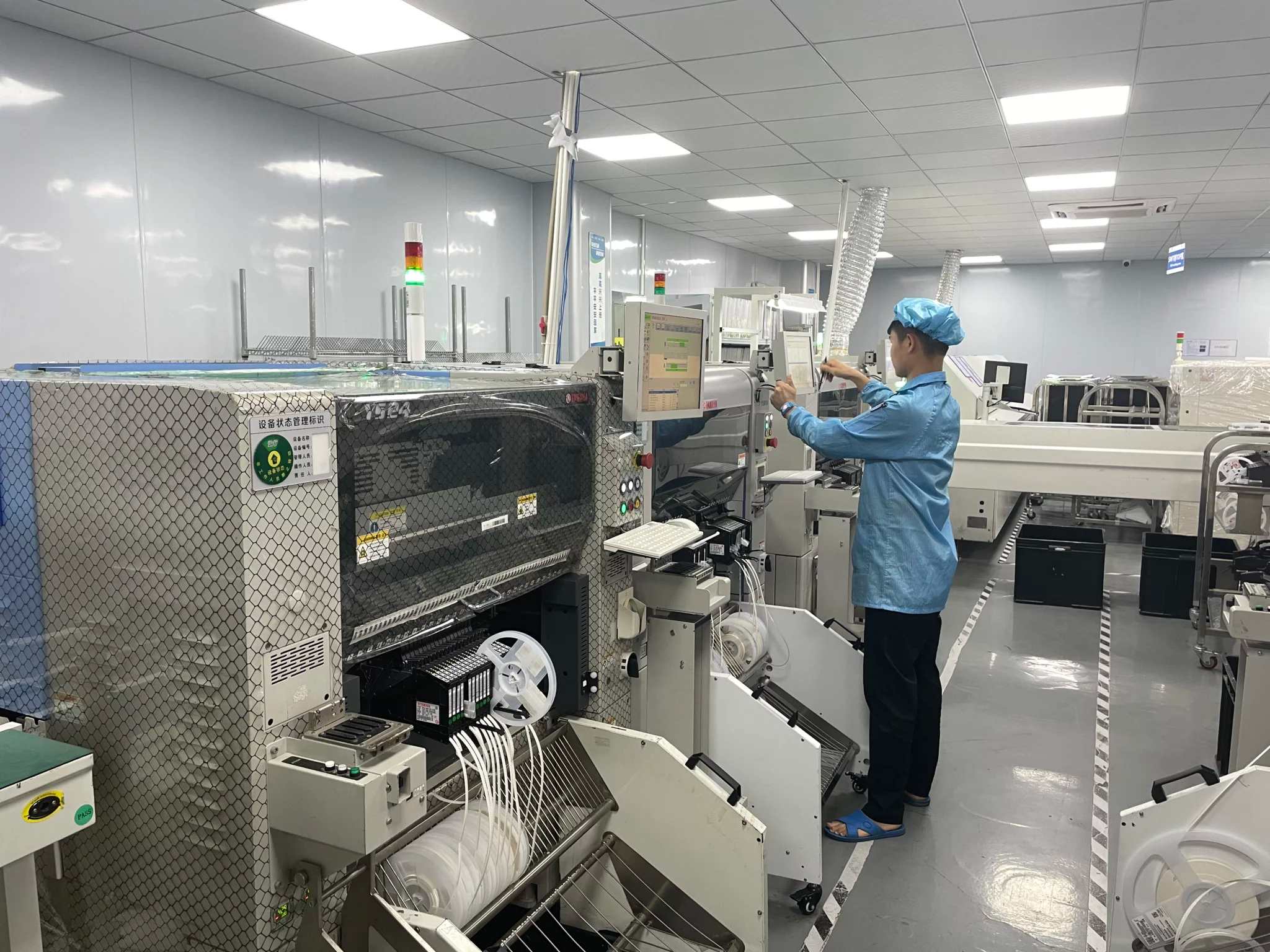
Shop floor discipline is the habit of returning things to their place and of noticing when something is out of place. It is maintained by short, frequent checks rather than by occasional major clean-ups, and by the people who work in the area rather than by an outside team. A monthly inspection by a manager creates a flurry of activity and no lasting change, and it also teaches the area that the standard is something to be presented rather than something to be maintained.
The most effective mechanism is a brief check at the end of a shift with a short list and a visible result. Marking the outcome on a board in the area, even simply as good or needing attention, keeps the state visible and creates a mild and useful social pressure. The check should take minutes rather than an hour, because a long procedure will be abandoned on the busiest days, which are the days it is most needed.
Making It Stick
Arrangements decay when new products and new tools arrive without a home. The answer is a rule that nothing new enters the area until a place has been defined for it, which is a small administrative habit with a large effect. It also helps to keep the area’s standard visible in a photograph, because a picture of the intended state is easier to compare against than a written description.
Improvement of the arrangement should come from the people who work there. They know which tool is used most often, which material is handled awkwardly and which surface is hard to clean, and their proposals are usually cheap and immediately effective. The role of management is to agree the change, provide what it needs and keep the check running. Where a proposal requires a purchase, the answer should come quickly, because a suggestion that waits a month for a decision stops the flow of suggestions altogether.
Practical Rules
Start with one area, sort it properly, give every remaining item a place and photograph the result. Add a short end of shift check, and treat the check as part of the job rather than as an inspection of the people doing it.
Extend the method along the process flow rather than across the whole shop at once, and connect it to something the area already cares about, such as changeover time or contamination defects. Workplace organization survives when it produces a visible benefit for the people who maintain it, and it fades when it exists only to satisfy an audit of the quality system.
Process Control and Verification
On a design of this kind, shop floor discipline is the item that decides how the rest of the board is arranged. Running a first article through the same checks as the production panel confirms that the two agree, and that comparison is the cheapest form of process control available at prototype stage. Keeping a sample from the panel turns a dispute into a measurement, because the same coupon can be re-examined by both parties without rebuilding the batch.
FAQ
What are the five steps of 5S? Sort, set in order, shine, standardise and sustain. The last step, sustaining the arrangement through a regular check, is the one that decides whether it lasts.
Is 5S just housekeeping? No. In a board shop it shortens setups, reduces contamination defects and prevents material mix-ups, all of which are quality and cost results.
How long does it take to introduce? One area can be organised in a few days. The habit of maintaining it takes months and is the part that matters.