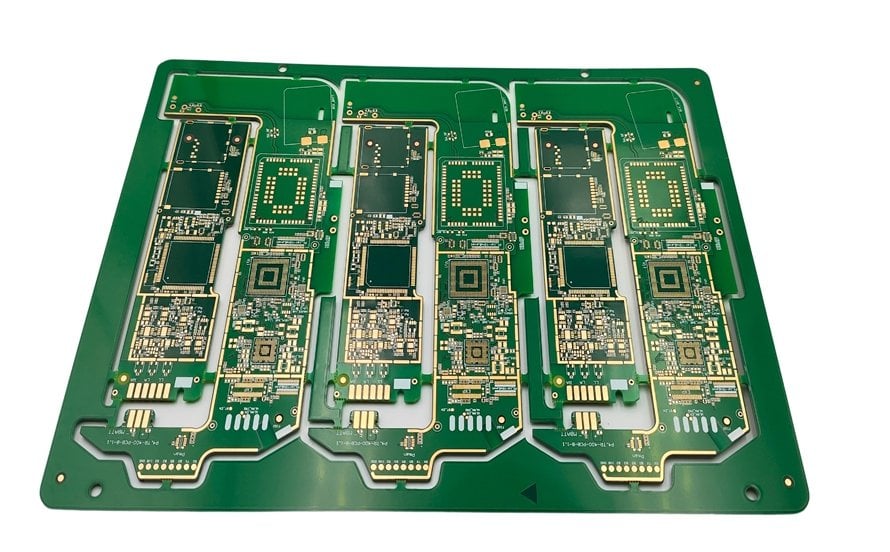
Solder Defect Pareto and Prioritisation
A defect pareto ranks the causes of defects by their frequency, and its value is that it shows where the effort should go first. The measurement is simple and the discipline is in acting on the result before moving to the next problem.
The pareto is only useful when the defects are classified consistently, since a category that absorbs several causes hides the one that could be fixed.
Classifying Defects
The categories should be specific enough to be actionable and few enough to be used. Bridging and insufficient solder as separate categories are useful, while a general category of solder defects is not.
The classification should be defined once and used in the same way at every station, so that the data can be combined. A category that means different things to different operators is worse than no category.
Collecting the Data
The data comes from the inspection and test stations, and it has to be recorded at the point of detection rather than summarised later. A defect that is repaired and not recorded is lost to the analysis.
Rework should be recorded with the same classification as a rejection, since a reworked defect has the same cause. This is the principle applied in rework and scrap rules.
Position as a Second Dimension
Recording the position of each defect turns the pareto into a map, which distinguishes a cause from a coincidence. A defect that occurs in one region of the panel has a different cause from the same defect spread across it.
The combination of type and position is what makes the analysis actionable, as described in panel yield analysis.
Choosing the Target
The largest category should be addressed first, and within it the largest sub category. The effort should not be spread across several causes at once, since none of them will be resolved.
Where the largest category is difficult, the second may be cheaper and should be assessed on the cost of the improvement rather than on the frequency alone.
Containment Before Correction
While the cause is under investigation, the escape has to be contained with additional inspection or test. The containment is temporary and should have an exit criterion.
A containment that is not removed becomes a permanent cost, and one that is removed too early releases the defect again.
Root Cause and Verification
The correction should be based on a cause rather than on a correlation, and it should be verified against the defect rate over a defined period. A correction that is not verified is a change rather than an improvement.
Where several corrections are made at once, the effect cannot be attributed, which is why one change at a time is the practical method.
Reviewing the Pareto
The pareto should be regenerated at a defined interval, since removing the largest cause changes the ranking. A pareto that has not changed indicates that the improvements are not being made.
The regeneration should use the same categories, so that the comparison is valid.
Records
The classification, the data and the actions should be recorded together, so that the next review starts from the previous conclusion. A file of paretos without the actions is a history of observation rather than of improvement.
The records belong with the process data described for manufacturing processes.
Process Control and Verification
On a design of this kind, classification is the item that decides how the rest of the board is arranged. The process window is set by the narrowest step in the flow, so an improvement anywhere else shows up as margin rather than as yield until that step is addressed. A short note on the drawing about handling, storage or packaging is often worth more than an extra decimal place on a tolerance.
Where a value sits close to a process limit, the drawing should say so, since the shop can then open the process window rather than working to a nominal figure that carries no tolerance. A stack-up that is drawn rather than described removes most of the ambiguity from a quotation, and it lets the fabricator price the board against the dielectric and copper weights that will actually be used.
Where the requirement is not written down, the shop supplies its own default, and the default is chosen for the process rather than for the design. The measurements that matter are the repeatable ones: conductor width and spacing, annular ring, finished hole size, plating thickness and surface finish are all verifiable on a coupon that travels with the panel.
Running a first article through the same checks as the production panel confirms that the two agree, and that comparison is the cheapest form of process control available at prototype stage. Keeping a sample from the panel turns a dispute into a measurement, because the same coupon can be re-examined by both parties without rebuilding the batch.
Process Control and Verification
On a design of this kind, classification is the item that decides how the rest of the board is arranged. The process window is set by the narrowest step in the flow, so an improvement anywhere else shows up as margin rather than as yield until that step is addressed. A short note on the drawing about handling, storage or packaging is often worth more than an extra decimal place on a tolerance.
Where a value sits close to a process limit, the drawing should say so, since the shop can then open the process window rather than working to a nominal figure that carries no tolerance. A stack-up that is drawn rather than described removes most of the ambiguity from a quotation, and it lets the fabricator price the board against the dielectric and copper weights that will actually be used.
Where the requirement is not written down, the shop supplies its own default, and the default is chosen for the process rather than for the design.
Process Control and Verification
On a design of this kind, classification is the item that decides how the rest of the board is arranged. The process window is set by the narrowest step in the flow, so an improvement anywhere else shows up as margin rather than as yield until that step is addressed. A short note on the drawing about handling, storage or packaging is often worth more than an extra decimal place on a tolerance.
Where a value sits close to a process limit, the drawing should say so, since the shop can then open the process window rather than working to a nominal figure that carries no tolerance.
Process Control and Verification
On a design of this kind, classification is the item that decides how the rest of the board is arranged. The process window is set by the narrowest step in the flow, so an improvement anywhere else shows up as margin rather than as yield until that step is addressed. A short note on the drawing about handling, storage or packaging is often worth more than an extra decimal place on a tolerance.
A first article check confirms that the process and the drawing agree on the points listed above, and that the coupon data supports the values used in the design.
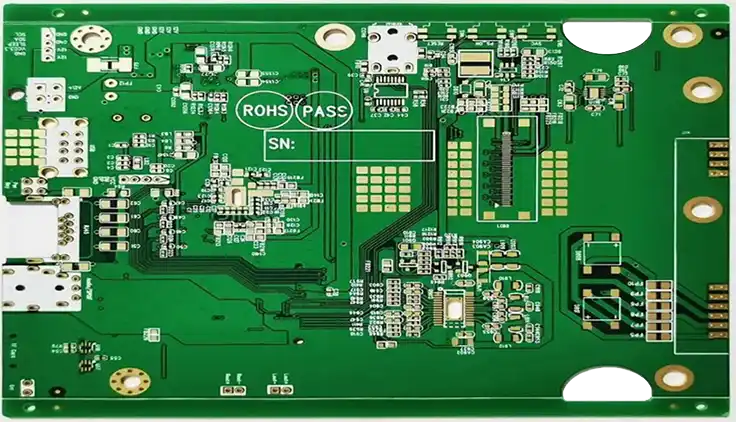
Where a measurement falls outside the expected window, the sample is retained so that the cause can be established before the balance of the batch is released.
A first article check confirms that the process and the drawing agree on the points listed above, and that the coupon data supports the values used in the design.
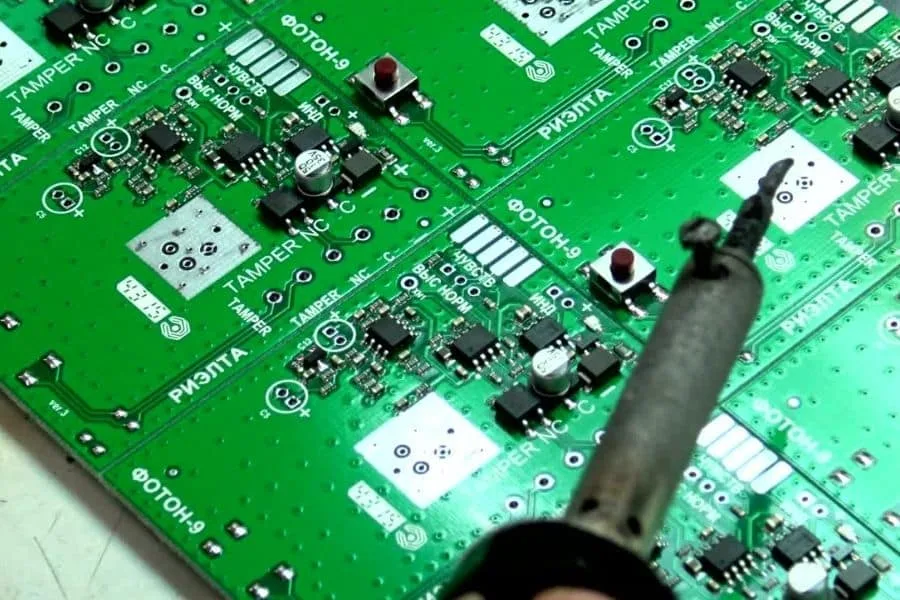
Where a measurement falls outside the expected window, the sample is retained so that the cause can be established before the balance of the batch is released.
FAQ
How many categories should a pareto have? Enough to distinguish the causes and few enough that the operators apply them consistently.
Should rework be included? It should, because a reworked defect has the same cause as a rejected one.
What if the largest category is hard to fix? It is still the largest, and the alternative is to accept it deliberately while working on the next one.
How often should the pareto be updated? Often enough to see the effect of the last improvement, which is usually per week or per month.