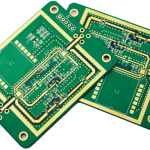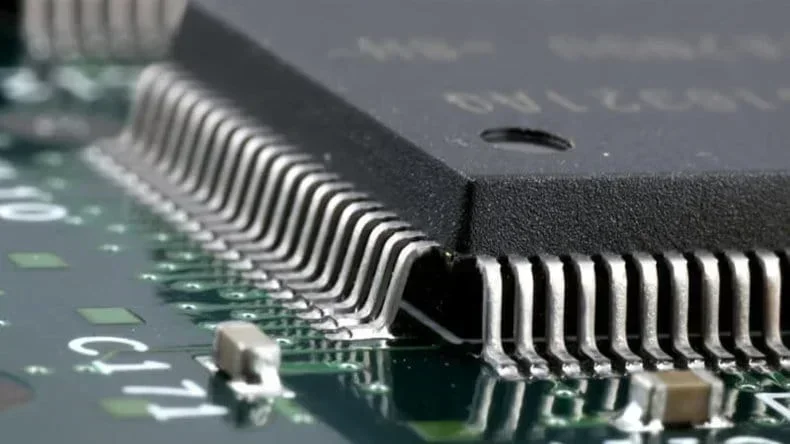
PCB Microetch Rate: Copper Surface Preparation Control
PCB microetch rate is the controlled removal of a thin layer of copper from the surface before plating or mask application. The etch is measured in microns, and it exists to expose clean, active copper with a slightly roughened profile. Without it, the surface left by the previous step may stay passive and bonded to nothing. It sits between cleaning and plating, and it is easy to walk past.
Rate control matters because the depth has to be enough to remove oxide and organic residue, yet small enough that it does not thin the traces. A bath running fast will remove more than the process allows, while a slow bath leaves the surface untouched in places. Both ends of that range create defects that appear later in the line. The window is narrow, and the cost of missing it appears much later.
What Microetch Rate Actually Removes
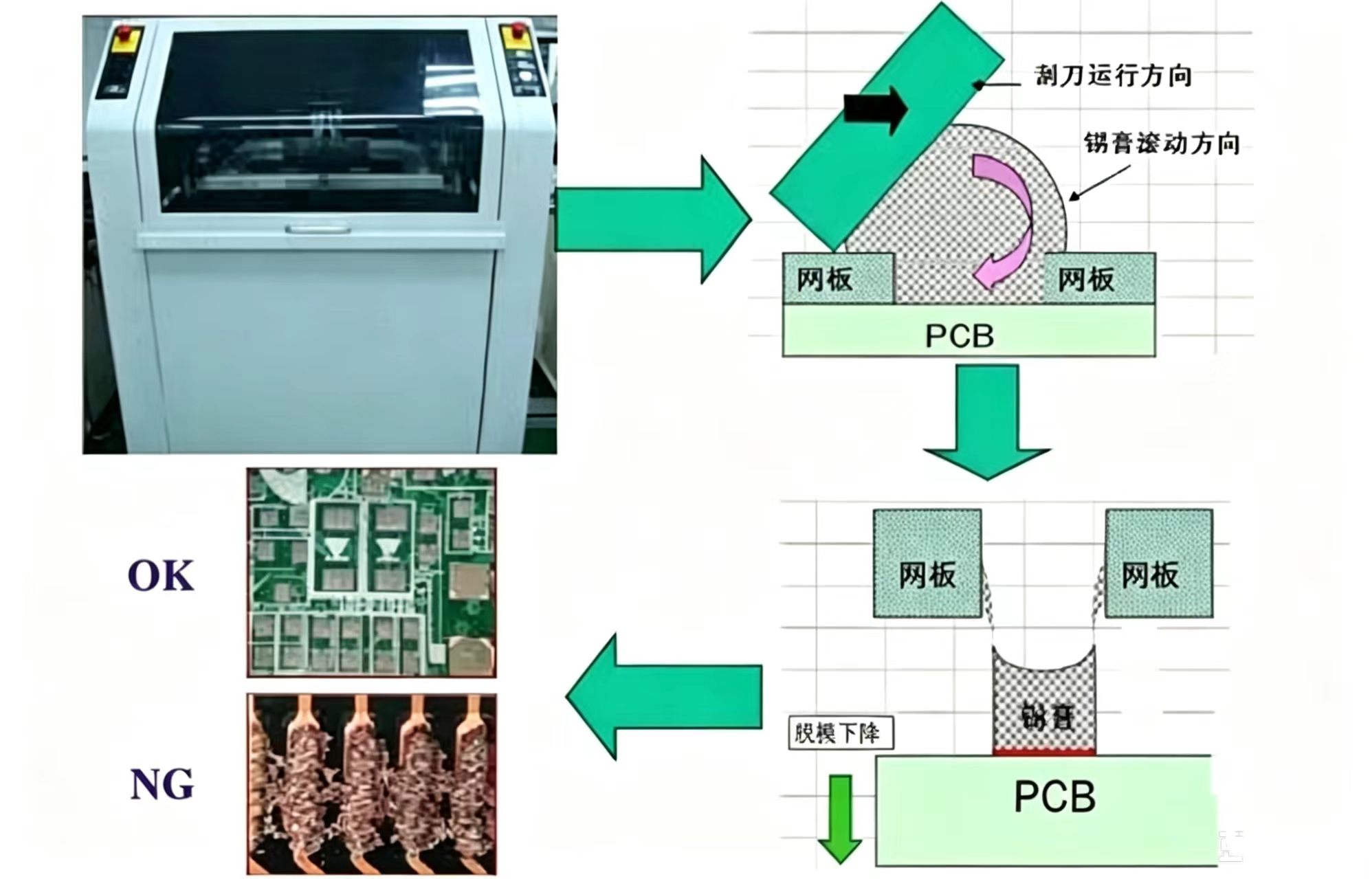
The microetch removes copper oxide, residues from prior steps and a small quantity of sound copper to expose a fresh surface. The removal is chemical rather than mechanical, so it reaches into holes and around fine features where scrubbing cannot go. It is a surface preparation step rather than a shaping step.
Because the amount removed is small, it is easy to treat the bath as unimportant. In practice the surface it produces is what the next process bonds to, so a variation of a single micron changes adhesion. The step deserves the same control as plating or etching, and its results should be recorded on the same sheet. For that reason the coupons kept from each shift are worth more than the tank log alone.
Chemistry and Bath Control
Microetch baths are usually based on a persulphate or sulphuric peroxide system, with additives that control the attack on copper. Concentration, temperature and copper loading all change the rate, and they change it at different speeds. The tank should be analysed on a schedule rather than topped up when boards begin to look bad, and the concentration rules used in acid cleaner concentration control are a good model.
Copper loading is the quantity that creeps up unnoticed, because dissolved copper accumulates and slows the etch. The analysis methods covered in plating bath chemistry control apply to the same measurements taken here. When loading reaches its limit, the bath has to be partly or wholly replaced. Analysis intervals should shorten as the bath approaches its loading limit.
Rate Measurement and Depth
The rate is measured by etching a coupon or a test panel for a known time and measuring the copper removed. That gives a micron-per-minute figure which the line can compare with its specification. Running the test on production material gives a result the operators can relate to their own work.
Depth verification after the fact is harder, because the removed copper is gone. Coupons are therefore the primary evidence, and microsections taken later show only the consequences of what happened. A shop that never measures the rate is controlling the step by appearance alone. A coupon etched in a beaker does not represent the spray tank, so the test should be run on the line.
Temperature and Agitation
Warmer chemistry etches faster, so tank temperature has to be held inside its window. Agitation matters as much, because the reaction slows as the boundary layer thickens against the copper. Spray systems and panel movement both refresh that layer. Temperature control is also what makes the rate repeatable from shift to shift.
When agitation drops, the middle of a large panel etches more slowly than its edges. That pattern is a useful clue, and it usually leads back to a blocked nozzle or a pump running below its set point. The nozzle checks used in cleaning lines apply here as well.
Surface Appearance and Roughening
A correctly microetched surface is uniformly pink or light copper, with no shiny patches and no dark oxide. Patches of bright metal usually mean the panel was not fully etched, and dark areas suggest over-etching or drying before the rinse. Appearance is a quick first check that costs nothing. Uniform appearance across a panel is the sign that the spray pattern is even.
The roughening produced by the etch is what gives the next layer its mechanical grip, and it is why the step is sometimes called a bonding treatment. The roughening also has a chemical component, because a fresh copper surface is more reactive than the oxide it replaced. Over-etched panels look bright and slightly matte, and by then the copper is already gone.
Rinse and Water Quality
The microetch has to be stopped completely, and that is the job of the rinse that follows it. Chemistry carried over in a wet film will keep attacking copper on the way to the next tank. Rinse flow, immersion time and water quality all decide how effective the stop is, as the cleaning machine chemistry rules for the line describe.
Poor rinsing shows up as streaks and as adhesion failures that appear at the edges of a panel rather than in its centre. Conductivity monitoring at the rinse outlet gives the earliest warning. The rinse limits used elsewhere on the line are the right reference. The carry-over from the microetch is small but it is concentrated in the first rinse.
Defects and Rework Limits
Common defects include insufficient removal, over-removal that thins fine traces, and residues that passivate the surface again before plating. Each has a different cause, and each is easier to correct before the panel reaches the plating tank. Inspecting the first panel of a batch catches most of them.
Rework is limited because microetching a panel twice removes copper twice. The rule should state how much copper the process can afford to lose on any panel. Where a batch is suspect, the decision should be made with coupon data rather than with opinion. Trace thinning is the defect that cannot be repaired, only prevented.
Records and Shop Practice
The record should carry the bath analysis, the temperature, the measured rate and the coupons that were etched that day. With those, a plating adhesion problem can be traced back to the surface that started it. Where a published standard applies, the surface preparation acceptance criteria published by IPC should be the reference. Documenting the surface is also how a supplier complaint about adhesion gets settled quickly.
Reviewed over weeks, the record shows how the bath ages and when replacement becomes due. It also shows whether the line drifts after maintenance, which is the period when rate problems most often appear. Keeping the coupons with the batch is what makes the review possible at all.
FAQ
How deep should a microetch remove? Usually a fraction of a micron up to about two microns, enough to remove oxide and expose fresh copper without thinning the traces.
Why does the rate fall over time? Dissolved copper accumulates in the bath and slows the reaction, so the tank has to be analysed and partly replaced on a schedule.
What does a shiny patch mean? It usually means that area was not etched, often because of poor spray coverage or because the panel dried before the rinse. The rule should also say what happens to a batch that was etched but not rinsed in time.