Printed circuit boards have become an essential part of modern healthcare technology. From diagnostic instruments and patient monitoring systems to advanced surgical equipment and implantable devices, electronics play an increasingly important role in improving medical diagnosis, treatment, and patient care.
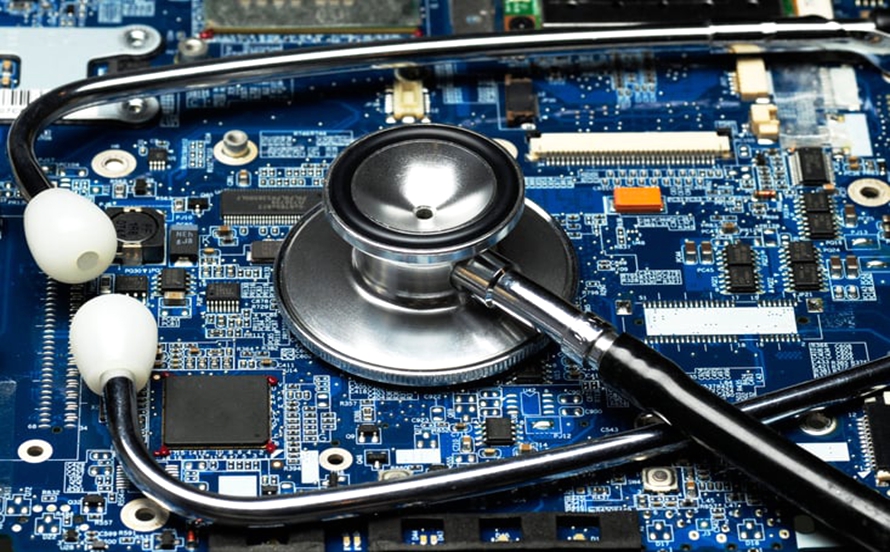
A Medical PCB provides the electrical foundation for many of these systems. It connects electronic components, processes sensor signals, controls power distribution, supports communication functions, and enables precise operation of medical equipment.
Because many medical devices directly affect patient safety and clinical decisions, medical circuit boards must meet demanding requirements for reliability, accuracy, electrical safety, environmental stability, and manufacturing consistency. As medical technology continues to become smaller, smarter, and more connected, the importance of high-quality PCB manufacturing and assembly continues to increase.
What Is a Medical PCB?
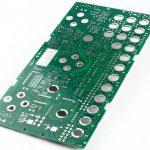
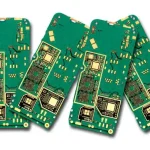
A Medical Circuit Board is a printed circuit board specifically designed for use in medical and healthcare equipment. Depending on the application, it can support functions such as data acquisition, signal conditioning, processing, power management, wireless communication, motor control, sensing, and user-interface operation.
Medical PCBs can be found in equipment ranging from relatively simple monitoring devices to highly sophisticated imaging and therapeutic systems.
Typical examples include:
- Patient monitoring equipment
- Diagnostic imaging systems
- Surgical instruments
- Laboratory analyzers
- Drug delivery systems
- Wearable healthcare devices
- Implantable medical devices
- Rehabilitation equipment
- Portable diagnostic equipment
- Remote patient monitoring systems
The design requirements vary significantly depending on whether the PCB is used for a portable device, hospital equipment, laboratory instrument, or implantable system.
Advantages of Medical PCB
1. High Accuracy and Precision
Medical equipment must provide accurate measurements because clinicians may rely on its output when making diagnostic or treatment decisions.
A properly designed Medical PCB enables accurate signal acquisition, conditioning, processing, and transmission. High-quality PCB layouts can help reduce electrical noise and signal interference, allowing sensors and other electronic components to operate consistently.
For applications involving physiological signals, even relatively small amounts of electrical noise can affect measurement quality. PCB designers therefore need to pay close attention to grounding, shielding, signal routing, power integrity, and component placement.
2. High Reliability
Reliability is particularly important in medical electronics. Equipment used for patient monitoring, diagnosis, or treatment may need to operate continuously for long periods.
A reliable Medical Device PCB should be designed with appropriate component selection, thermal management, electrical protection, and manufacturing controls. Depending on the application, the PCB may also need to withstand vibration, temperature fluctuations, humidity, repeated operation, and other environmental stresses.
Reliability requirements are especially demanding for critical equipment and implantable devices, where electronic failure can have serious consequences.
3. Miniaturization and Integration
Advances in PCB technology have made it possible to integrate more functions into increasingly compact medical devices.
Multilayer boards, fine-pitch components, HDI structures, microvias, and advanced assembly technologies can help engineers reduce the size of electronic systems while maintaining functionality.
This miniaturization is particularly valuable for:
- Wearable health monitors
- Portable diagnostic instruments
- Handheld medical equipment
- Compact patient monitoring devices
- Rehabilitation equipment
Smaller electronics can improve portability and usability while making it easier to integrate medical technology into everyday healthcare environments.
4. Advanced Functional Performance
Modern medical devices increasingly combine sensors, processors, communication modules, actuators, and software.
A Medical PCB provides the hardware platform required to integrate these functions. Depending on the application, the board may support wireless communication, real-time data processing, sensor fusion, motor control, and intelligent data analysis.
For example, a wearable monitoring device may collect physiological data through multiple sensors, process the signals through a microcontroller, and transmit the results wirelessly to another device or healthcare platform.
5. Patient Safety
Patient safety is one of the most important considerations in medical electronics.
Medical PCB development should take into account applicable regulatory requirements, electrical safety, electromagnetic compatibility, component reliability, insulation, thermal performance, and traceability.
The specific requirements depend on the medical device classification, intended use, market, and applicable regulations. PCB manufacturers and medical device developers should therefore establish appropriate quality and verification procedures throughout the product development process.
Limitations and Challenges of Medical PCB
Although PCBs provide significant benefits to medical electronics, their design and manufacturing also present several challenges.
Cost Considerations
Medical PCB development can be more expensive than standard consumer electronics because of stricter design, testing, documentation, traceability, and quality requirements.
Low-volume production can further increase the cost per unit because engineering, tooling, testing, and validation expenses are distributed across fewer boards.
However, investing in appropriate PCB quality during the development stage can reduce the risk of failures, redesigns, and production delays later in the product lifecycle.
Reliability and Component Aging
Even a well-manufactured PCB can experience degradation over time. Component aging, thermal cycling, mechanical stress, moisture, contamination, and electrical overstress can affect long-term reliability.
Designers should therefore consider component lifetime, operating temperature, power dissipation, mechanical constraints, and expected service conditions during development.
Electromagnetic Interference
Medical equipment often operates in environments containing multiple electronic devices. Electromagnetic interference (EMI) can affect sensitive circuits and potentially degrade measurement accuracy.
A robust PCB Design should incorporate appropriate grounding, shielding, filtering, signal separation, and power integrity strategies.
Sensitive analog and sensor signals should be isolated from high-speed digital circuits and noisy power components wherever practical.
Long Development Cycles
Medical devices generally require extensive verification and validation before entering the market.
Depending on the product and target market, developers may need to address applicable medical-device regulations, quality management requirements, risk management, electrical safety, electromagnetic compatibility, and other compliance considerations.
These requirements can make the development cycle longer than that of many conventional electronic products.
Limited Design Flexibility After Release
Once a medical device has been validated and released, significant hardware modifications may require additional engineering work, verification, documentation, and potentially regulatory review.
For this reason, the PCB architecture should be carefully evaluated during the early design stage, with sufficient consideration given to future product requirements.
Material Selection
Selecting suitable PCB materials is particularly important for medical applications.
Engineers may need to consider:
- Electrical performance
- Thermal stability
- Mechanical strength
- Moisture resistance
- Chemical resistance
- Dimensional stability
- Flame performance
- Manufacturing compatibility
For devices that come into direct or indirect contact with the human body, additional material and biocompatibility requirements may apply to the device construction. These requirements should be evaluated at the complete-device level rather than assuming that every PCB material is inherently suitable for implantable or patient-contact applications.
Cybersecurity Risks
Modern medical devices are increasingly connected through wireless networks, hospital networks, cloud platforms, and IoT architectures.
This connectivity creates additional cybersecurity considerations. Although cybersecurity is not solely a PCB issue, hardware design can support system security through appropriate interfaces, secure components, access controls, data protection mechanisms, and hardware-level safeguards.
Medical PCB Manufacturing Process
The manufacturing process for medical electronics should be carefully controlled because PCB quality can directly affect the reliability of the final device.
1. Material Selection
The first step is selecting PCB materials that meet the electrical, mechanical, thermal, and environmental requirements of the application.
Depending on the design, materials may include standard FR-4, high-temperature laminates, flexible materials, or specialized substrates.
Material selection should be based on actual operating conditions rather than simply choosing the highest-performance material available.
2. PCB Prototyping
Prototyping allows engineers to verify the PCB design before mass production.
A prototype can be used to evaluate:
- Electrical performance
- Signal integrity
- Thermal behavior
- Component placement
- Mechanical fit
- Interface compatibility
- Assembly quality
For medical products, prototype testing can also help identify design risks before more extensive verification and validation activities begin.
3. PCB Fabrication
During Medical PCB Manufacturing, manufacturing parameters such as trace width, layer registration, copper thickness, via quality, dielectric thickness, and surface finish should be controlled according to the design requirements.
Multilayer and HDI boards may require additional process controls to ensure dimensional accuracy and interconnection reliability.
4. PCB Assembly
Medical PCB Assembly may involve both surface-mount technology (SMT) and through-hole assembly, depending on the design.
Component placement and soldering quality are particularly important for medical applications. Automated optical inspection (AOI), X-ray inspection, electrical testing, and other inspection methods may be used according to product requirements.
5. Cleaning and Contamination Control
Medical electronics may have strict requirements regarding cleanliness and contamination.
PCB cleaning processes should be selected according to the materials, components, soldering process, and end-use environment. If the complete medical device requires controlled or sterile manufacturing conditions, those requirements should be addressed at the appropriate device-assembly stage rather than automatically assuming that every PCB must be manufactured inside a sterile cleanroom.
6. Functional and Reliability Testing
Testing verifies whether the finished PCB meets the intended electrical and functional requirements.
Depending on the application, testing may include:
- Electrical continuity testing
- Insulation testing
- Functional testing
- Automated optical inspection
- X-ray inspection
- Thermal testing
- Signal integrity testing
- Environmental testing
- Reliability testing
The specific test plan should be developed according to the medical device’s intended function and risk level.
Applications of Medical PCB
Medical PCBs are used across a broad range of healthcare technologies.
Diagnostic Imaging Equipment
A Medical Device PCB is an important part of many diagnostic imaging systems, including:
- X-ray equipment
- CT scanners
- MRI systems
- Ultrasound equipment
- Digital imaging systems
These systems require high-speed data processing, precise signal acquisition, reliable communication, and stable power management.
Patient Monitoring Systems
Patient monitors collect and process vital physiological information such as:
- Heart rate
- Blood pressure
- Blood oxygen saturation
- Body temperature
- Respiratory rate
The PCB connects sensors and processing circuits while supporting data display, alarms, communication, and data storage.
These systems may be used in hospitals, clinics, ambulances, home healthcare, and remote monitoring applications.
Therapeutic Equipment
PCBs are widely used in therapeutic devices that deliver controlled electrical energy or other forms of energy.
Examples include:
- Electrical stimulation equipment
- Neurostimulation systems
- Defibrillators
- Therapeutic ultrasound equipment
- Electrosurgical equipment
These applications require precise control of electrical output and reliable monitoring of operating conditions.
Surgical Equipment
Modern surgical equipment relies heavily on embedded electronics.
Medical PCBs can be found in:
- Electrosurgical systems
- Surgical imaging equipment
- Endoscopic systems
- Laser equipment
- Robotic surgical platforms
These applications often require compact layouts, precise control, high reliability, and effective thermal management.
Drug Delivery Systems
Electronic drug delivery systems can use sensors, microcontrollers, motors, and communication modules to control medication delivery according to programmed parameters.
The PCB may coordinate sensor feedback, motor operation, alarms, user interfaces, and wireless communication.
Such systems require careful electrical and mechanical design because incorrect operation can directly affect the treatment process.
Implantable Medical Devices
Some implantable devices contain sophisticated electronic systems, including:
- Cardiac pacemakers
- Implantable cardioverter-defibrillators (ICDs)
- Neurostimulators
- Implantable monitoring devices
These products have extremely demanding requirements for reliability, power consumption, packaging, and materials. PCB design is only one part of the complete device engineering process, which may also involve hermetic packaging, biocompatibility, sterilization, and long-term reliability considerations.
Laboratory Analyzers
Medical and laboratory analysis systems use PCBs for automated sample handling, sensor interfaces, signal processing, and data analysis.
Examples include:
- Blood analyzers
- Immunoassay systems
- Molecular diagnostic equipment
- Biochemical analyzers
- Laboratory automation systems
High repeatability and reliable data processing are essential for these applications.
Assistive and Rehabilitation Devices
Medical electronics can improve mobility, communication, and independence for people requiring rehabilitation or assistive technologies.
PCBs may be integrated into:
- Powered wheelchairs
- Prosthetic systems
- Communication aids
- Rehabilitation equipment
- Assistive robots
These devices often require compact electronics, low power consumption, reliable motor control, and user-friendly interfaces.
Wearable and Remote Monitoring Devices
Wearable healthcare devices are becoming increasingly common. Compact PCBs can integrate sensors, processors, batteries, wireless communication modules, and power-management circuits into small form factors.
Applications include fitness and health monitoring, remote patient monitoring, portable diagnostics, and home healthcare.
Key Design Considerations for Medical PCB
Medical PCB design requires close coordination between electrical engineering, mechanical engineering, manufacturing, and product-level requirements.
Electrical Safety
Power distribution, isolation, insulation, grounding, and protection circuits should be designed according to the requirements of the complete medical device.
Signal Integrity
Sensitive physiological signals can be easily affected by noise. Designers should use appropriate routing, grounding, filtering, shielding, and layer-stack strategies to maintain signal quality.
Thermal Management
Heat generated by processors, power devices, motors, LEDs, and other components must be managed effectively.
Depending on the application, thermal vias, copper planes, heat spreaders, thermal interface materials, or external cooling structures may be required.
Component Selection
Components should be selected according to electrical performance, operating temperature, expected lifetime, availability, and application requirements.
For long-life medical products, component lifecycle and supply continuity should also be considered during product planning.
Manufacturability
A design should be compatible with the capabilities of the selected PCB manufacturer and assembly partner.
Design for Manufacturing (DFM) and Design for Assembly (DFA) reviews can help identify problems before production.
Why Choose Kingda for Medical PCB Manufacturing?
Medical electronics require a manufacturing partner capable of maintaining consistent quality while adapting to different board structures and production requirements.
Kingda can support customized PCB manufacturing and assembly for medical and healthcare electronics, with a focus on stable production processes, engineering coordination, and quality control.
Customized PCB Solutions
Different medical products require different board structures, materials, dimensions, layer counts, component packages, and assembly methods. Customized manufacturing allows the PCB to be adapted to the actual requirements of the medical device.
Quality-Focused Manufacturing
Consistent manufacturing quality is essential for medical electronics. PCB fabrication and assembly should be controlled throughout the production process to minimize defects and maintain stable electrical and mechanical performance.
Support for Complex PCB Designs
Modern medical equipment may require multilayer PCBs, high-density routing, fine-pitch components, flexible circuits, or mixed-signal designs.
A capable manufacturing partner can help evaluate the manufacturability of these structures and identify potential production risks during the engineering stage.
Prototype to Production Support
Medical product development often requires multiple prototype iterations before the final design is released for production.
A coordinated PCB manufacturing and assembly process can help engineers evaluate prototypes, optimize the design, and transition more efficiently toward volume production.
Reliable PCB Assembly
A high-quality Medical PCB Assembly process is essential for achieving reliable final products. Proper component placement, soldering, inspection, and functional testing help ensure that assembled boards meet the intended design requirements.
Conclusion
The Medical PCB is a fundamental component of modern healthcare electronics, supporting everything from diagnostic imaging and patient monitoring to surgical equipment, laboratory analyzers, wearable devices, and advanced therapeutic systems.
Compared with conventional PCBs, medical electronics often require greater attention to accuracy, reliability, electrical safety, signal integrity, thermal management, traceability, and manufacturing consistency.
As healthcare technology continues to move toward miniaturization, intelligent sensing, wireless connectivity, remote monitoring, and personalized treatment, demand for reliable Medical Circuit Board solutions will continue to grow.
By combining appropriate materials, robust PCB Design, controlled Medical PCB Manufacturing, and reliable Medical PCB Assembly, manufacturers can provide the electronic foundation required for increasingly sophisticated medical devices. Kingda is positioned to support customized PCB requirements for medical and healthcare electronics, helping customers develop reliable circuit board solutions for demanding applications.