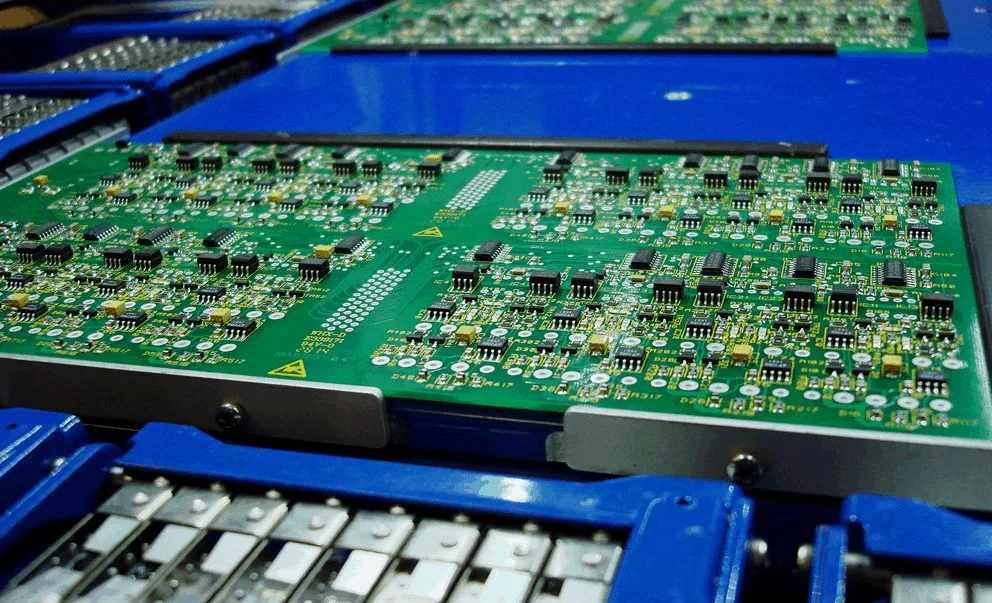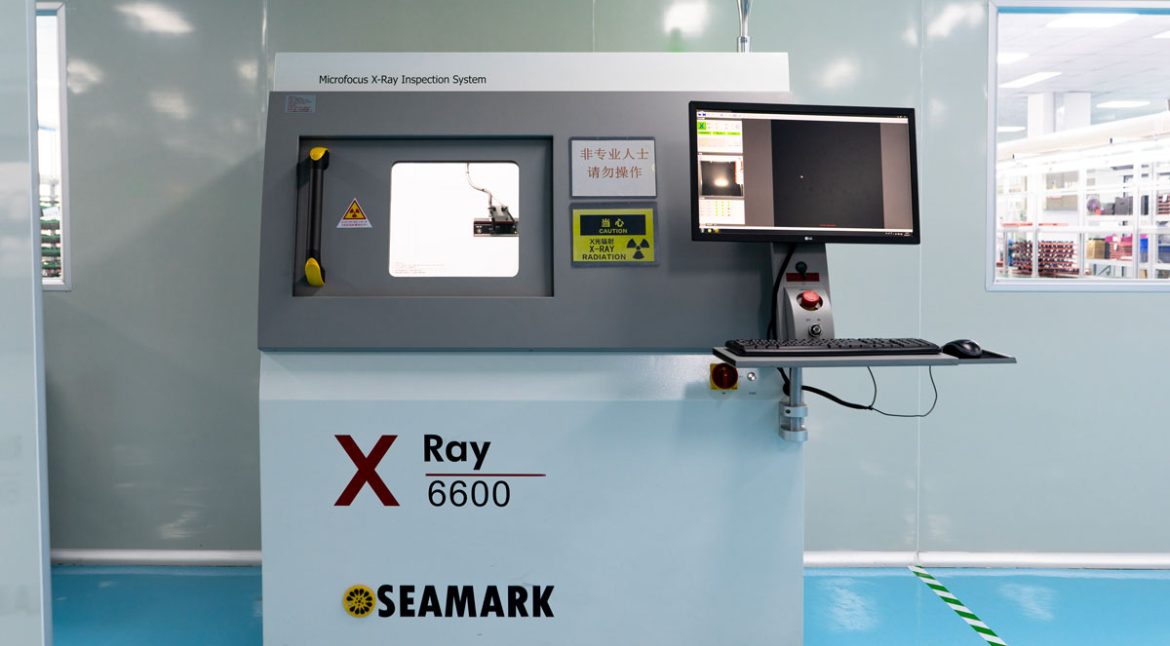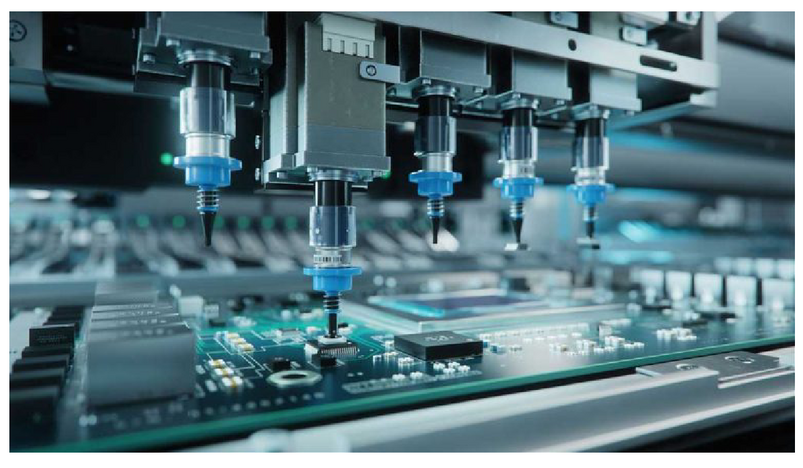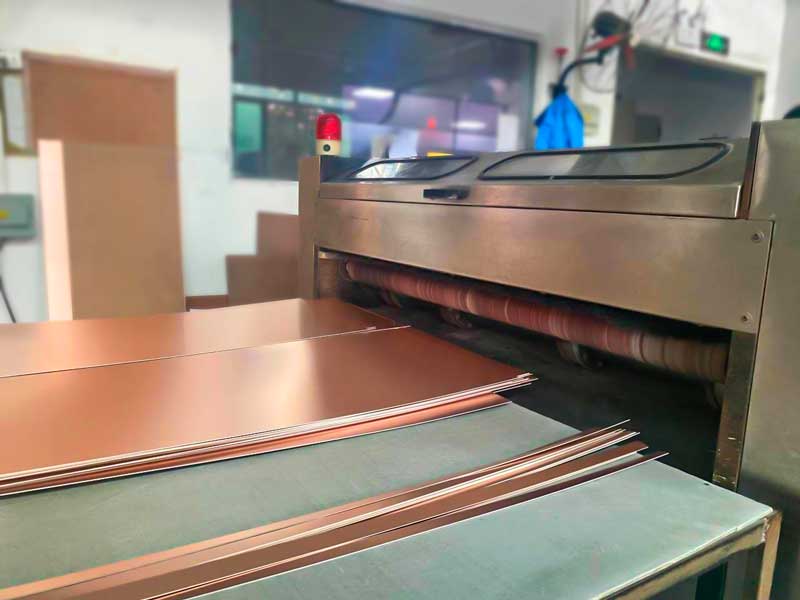
Kirkendall Voids: A Failure Mechanism Inside Solder Joints Every solder joint is a metallurgical system, not a frozen droplet of metal. Copper and tin continue to react long after the iron has cooled, and the interface between them keeps changing for the life of the product. Under the right combination…

FR4 and Aluminum Substrates: Where the Process Differs An aluminum substrate and a glass reinforced epoxy board are both called printed circuit boards, but the process that makes them differs from the first operation. The metal has to be drilled differently, and the insulation between the conductor and the base…
Chip Wound Inductor Selection For DC-DC Converters A chip wound inductor is a wire coil wound on a magnetic core and housed in a surface mount body, and it is the component that stores energy in most switching converters. Unlike a multilayer or a thin film part, the winding is…
Ceramic Substrate Technology Trends For Power Ceramic substrates sit at the point where a circuit has to be electrically insulating, dimensionally stable and thermally conductive at the same time. Polymer laminates can satisfy the first two requirements and struggle with the third, which is why the ceramic option appears in…
Flex Circuit 3D Folding And Bend Verification A flat layout is a poor representation of a folded flex circuit. The board may be drawn as a rectangle on the screen, while in the product it wraps around a battery, bends through a hinge or folds behind a display. The parts…
PCB Warpage: Causes and Control Through Reflow Warpage is a change in the shape of a board that is measured against a flat surface. It shows up as a board that will not sit flat in a fixture, as a component that lifts, or as a solder joint that cracks…
Moisture Bake and Popcorn Prevention for PCB Assembly Plastic packages absorb water from the air, and that water turns to steam the moment the package reaches reflow temperature. The result is a package that splits from the inside, a bond wire that lifts, or a crack that never shows on…
Component Solderability and Shelf Life Control in Assembly A component that was perfectly solderable when it was packed does not stay that way forever. Terminations oxidise, intermetallic layers grow, plating corrodes and the flux that was designed to remove a thin oxide stops being able to cope. Solderability is a…
Component Obsolescence Management for PCB Assembly Components disappear. A part that was available in volume last year can be allocated, last time buy or obsolete this year, and the way a product is designed decides how much that costs when it happens. Obsolescence is predictable in principle and ignored in…
High Purity Copper Foil In PCB Fabrication Copper foil is the layer that becomes every conductor on a board, and its properties are usually taken for granted until a fine line etch or a high frequency measurement exposes them. Two foils of the same nominal thickness can behave differently because…