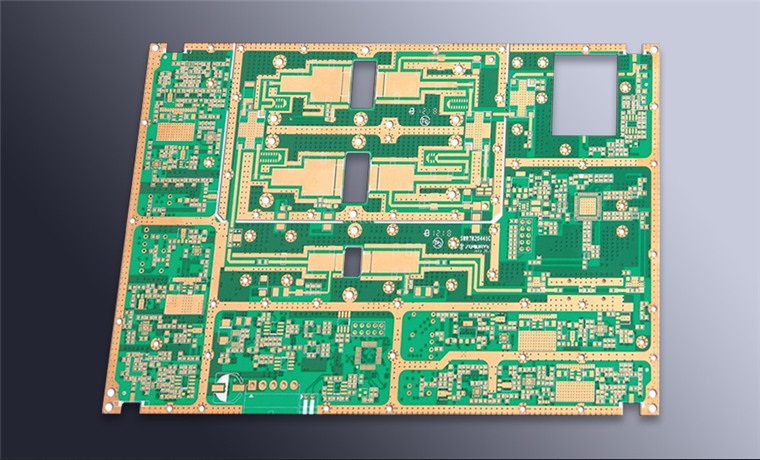
Gold Finger Masking: Tape Selection, Application and Residue Gold fingers are masked so that plating, coating and soldering operations do not touch the contact surface. Masking tape is simple to apply and easy to apply badly, and the failure it causes, a contaminated contact, is one of the few defects…
Selective Solder Flux Spray Control: Deposit, Coverage and Dwell In selective soldering the flux spray is applied to a moving target: the head tracks a path across the board, and the deposit depends on the path speed, the spray pattern and the distance to the surface. Controlling the flux deposit…
Component Count Verification: Counters, Reels and Reconciliation A component count that is wrong wastes money in a way that is hard to see: a shortage stops a line in the middle of a run, and an overcount hides a leak of material. Component count verification is the control that keeps…
Wave Solder Chip Wave Setup: Turbulence, Bridging and Thermal Load The chip wave, also called the turbulent wave, is the small wave that runs ahead of the main wave to wet the surface and drive flux gases away from the joints. Its settings decide whether the board bridges on fine…
Depaneling Strain Measurement: Gauge Placement, Limits and Data Depaneling is the last mechanical operation a board sees, and it is the one most likely to crack a solder joint that passed every inspection before it. Strain measurement turns that risk into a number, which is the only way to compare…
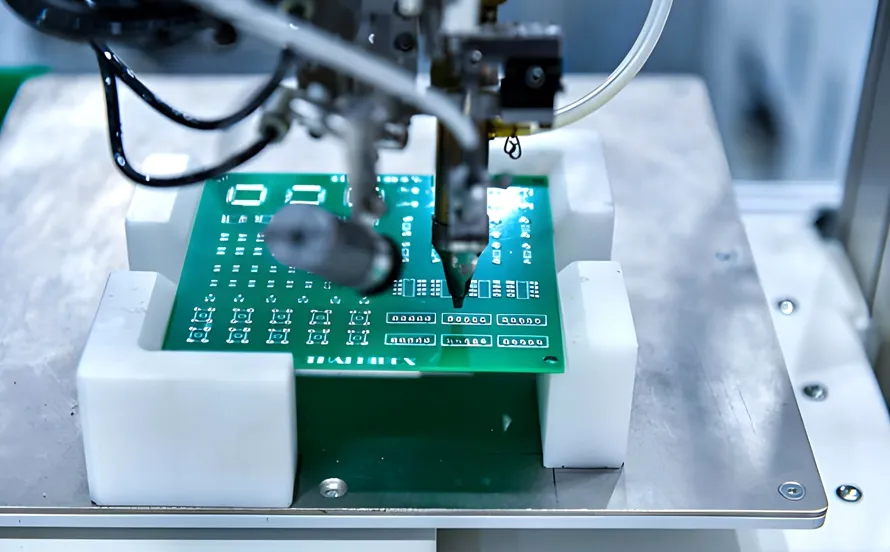
Dispensing Valve Maintenance: Needle Wear, Dots and Volumetric Control A dispensing valve is judged by the material it places, cycle after cycle, over a shift and over a month. The variables that decide that are the condition of the needle, the stability of the pressure or the screw, and the…
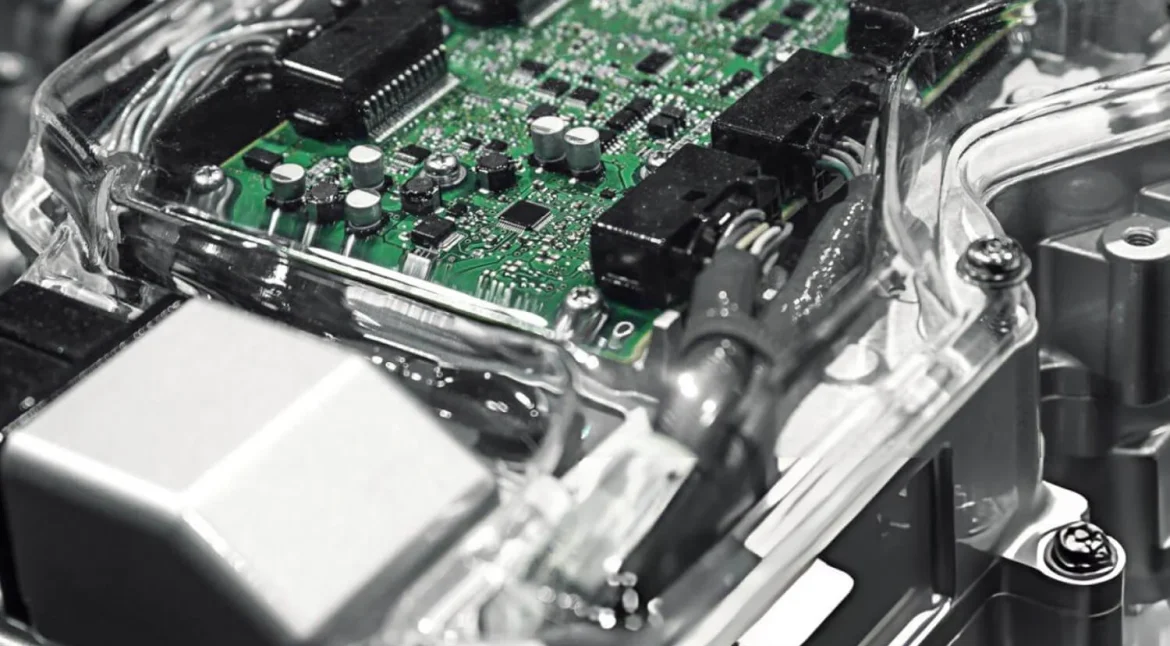
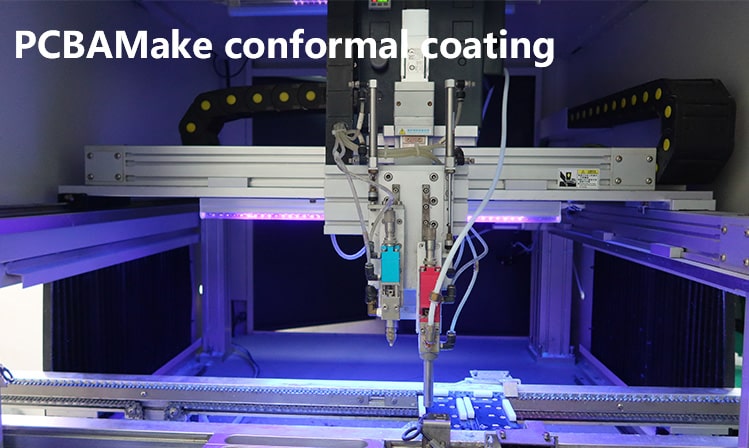
Conformal Coating Thickness Measurement: Methods, Limits and Sampling A conformal coating specification is written as a thickness with a tolerance, and the only way to know whether a board complies is to measure the coating thickness at points that represent the worst case. Measuring where the coating is thickest proves…
Solder Mask Plugging Depth Control: Via Fill and Inspection Methods Solder mask plugging is a via fill operation in which a screened paste is printed into the hole so that it is closed before assembly. The requirement is not simply that the hole is closed; it is that the plug…
Placement Vacuum Pressure Verification: Nozzles, Sensors and Missed Picks A component is held on a placement machine by nothing more than a pressure difference, and that pressure difference is the one parameter in the process that has no visual confirmation. Vacuum pressure verification is what stops a placement head from…
Flux Buildup: Design Rules and Process Limits Every board that passes through a reflow oven releases flux volatiles, and a fraction of them stays inside the machine. The flux buildup that results changes the airflow, the zone response and eventually the profile, and it does so gradually enough that the…