Automotive PCB Applications in Electric Vehicles, ADAS, and Powertrain Systems
With the rapid advancement of new energy vehicles (EVs), Advanced Driver Assistance Systems (ADAS), and intelligent powertrain systems, automotive electronics have placed unprecedented demands on the performance and reliability of automotive-grade PCBs. Unlike consumer electronics, automotive electronic systems must operate stably for 10–15 years under extreme conditions such as high temperatures, strong vibration, high humidity, and electromagnetic interference. Therefore, the design and manufacturing quality of automotive PCBs directly determine the safety, stability, and service life of the entire vehicle’s electronic system.
1. What is Automotive PCB?
Automotive PCBs are printed circuit boards specifically designed for automotive electronic systems. They must meet automotive-grade reliability, durability, and consistency requirements, and are widely used in new energy vehicles, ADAS, powertrain systems, body control, and other critical modules.
Core Performance Requirements for Automotive PCBs
- Wide operating temperature range: –40°C to +125°C and above
- Excellent vibration and shock resistance
- Long service life with extremely low failure rates
- Compliance with automotive industry quality and safety standards
Automotive PCB vs. Industrial PCB / Consumer PCB Comparison
| Feature | Automotive PCB | Industrial PCB | Consumer PCB |
|---|---|---|---|
| Operating Temperature | –40°C ~ +125°C | –20°C ~ +85°C | 0°C ~ +70°C |
| Reliability Requirement | Extremely High | Medium-High | Medium-Low |
| Design Life | 10–15 Years | 5–10 Years | 2–5 Years |
| Certification | IATF 16949 / AEC | ISO 9001 | Basic / None |
2. Automotive PCB Standards and Certification Systems
IATF 16949 Quality Management System
IATF 16949 is the core quality system standard for the global automotive supply chain, covering full-process traceability, defect prevention, and continuous improvement.
AEC-Q100 / AEC-Q200 Compliance
Automotive-grade PCBs must work with AEC-certified chips and passive components to ensure long-term reliability of the entire system in automotive environments.
PPAP and Material Traceability
OEMs and Tier 1 suppliers typically require PCBs to have complete PPAP documentation and production batch traceability.
At gopcb, our PCB manufacturing processes strictly follow these standards to deliver automotive-grade quality you can trust.
3. Automotive PCB Applications in Electric Vehicles (EV)
Battery Management System (BMS) PCB
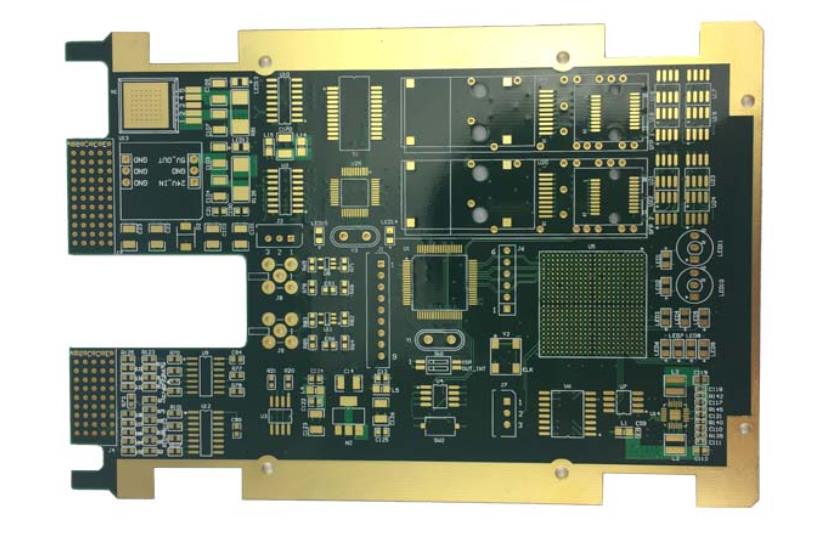
BMS PCBs are responsible for monitoring cell voltage, current, temperature, and SOC. They emphasize high-precision signal acquisition, EMI suppression, and system stability.
Inverter and Motor Control PCB
Motor control and power inverter systems typically use thick copper PCBs or metal core PCBs (MCPCBs) to handle high currents and heat dissipation. gopcb offers comprehensive PCB manufacturing services for these demanding power applications.
On-Board Charger (OBC) and DC-DC Converter PCB
These modules are usually multilayer high-voltage PCBs with strict requirements for dielectric strength, thermal performance, and safety isolation.
EV Application PCB Pricing (Manufactured in China)
| EV Application PCB Type | Layers | Price Range (USD / m²) |
|---|---|---|
| BMS Control PCB | 4–6 | $80 – $150 |
| Inverter Control PCB | 6–10 | $120 – $220 |
| Power Module MCPCB | 1–2 | $70 – $130 |
4. Automotive PCB Applications in ADAS Systems
Sensor PCBs
Millimeter-wave radar, cameras, and LiDAR in ADAS systems widely use high-frequency, high-speed PCBs with stringent requirements for signal loss and impedance control.
Data Processing and Control Unit PCBs
These are typically HDI multilayer boards that support high-speed data transmission and complex algorithm processing. Professional PCB design and layout is critical for ensuring signal integrity and system performance in ADAS applications.
Key Technical Challenges for ADAS PCBs
- High-speed signal integrity design
- EMI / EMC control
- Long-term stability under high load
5. Automotive PCB Applications in Powertrain Systems
ECU / TCU Control Boards
Engine Control Units (ECU) and Transmission Control Units (TCU) typically operate in high-temperature, high-vibration areas and require high-Tg FR-4 or reinforced materials.
Long-Term Reliability Requirements
Powertrain PCBs must withstand thermal cycling, oil contamination, and continuous mechanical stress.
6. Common Materials and Structures for Automotive PCBs
Mainstream Automotive PCB Materials
- High-Tg FR-4
- Polyimide (for flexible and rigid-flex boards)
- Aluminum-based / Copper-based metal core boards
Common Automotive PCB Types
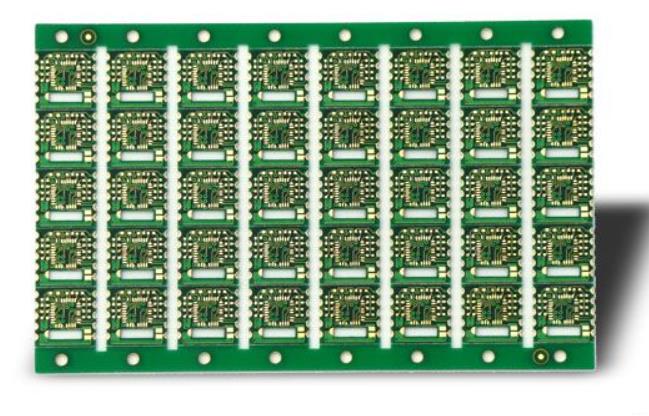
- Rigid Automotive PCBs
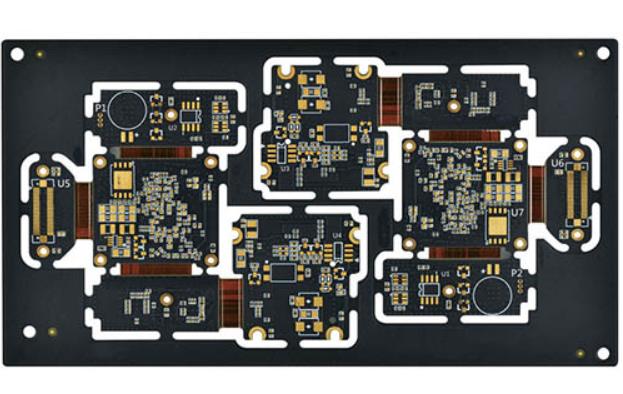
- Flexible Automotive PCBs (used in sensors and cameras) – gopcb provides specialized flex PCB assembly for these applications.
- Rigid-Flex PCBs
- Thick Copper / High-Current PCBs
7. Key Challenges in Automotive PCB Design
- Thermal management under high power density
- Vibration and mechanical shock resistance
- EMI / EMC compliance
- Miniaturization and lightweight design
Addressing these challenges requires deep expertise. gopcb’s PCB design and layout services are tailored to meet the rigorous demands of automotive applications.
8. Automotive PCB Manufacturing and Quality Control
Manufacturing Process Features
From raw materials to finished product delivery, the automotive PCB manufacturing process must be fully controlled at every stage.
Common Inspection Methods
- AOI (Automated Optical Inspection)
- X-Ray Inspection
- Electrical Performance Testing
- Functional Testing
With gopcb’s SMT assembly services, we ensure every board meets the highest quality standards through rigorous inspection and testing.
9. Automotive PCB Cost Structure and Pricing Factors
| Cost Factor | Impact on Price |
|---|---|
| Layer Count and Structure | Higher layer count increases cost |
| Material Type | High-Tg / MCPCB materials are more expensive |
| Copper Thickness | Thick copper significantly increases cost |
| Production Volume | Larger volumes reduce unit price |
Common Automotive PCB Price Ranges (Manufactured in China)
| PCB Type | Price Range (USD / m²) |
|---|---|
| Standard Automotive PCB | $60 – $120 |
| High-Reliability Multilayer PCB | $120 – $250 |
| Thick Copper / Metal Core PCB | $90 – $180 |
10. How to Choose a Reliable Automotive PCB Manufacturer
When selecting an automotive PCB supplier, key evaluation criteria include:
- Whether they hold IATF 16949 certification
- Experience with EV / ADAS projects
- Comprehensive testing and traceability capabilities
- Engineering support and DFM optimization
gopcb offers turnkey PCB assembly solutions that combine all these capabilities to deliver reliable, high-performance automotive PCBs.
11. gopcb Automotive PCB Solutions
gopcb specializes in automotive-grade PCB manufacturing and assembly services, providing high-reliability solutions for new energy vehicles, ADAS, and powertrain systems.
gopcb’s advantages include:
- Strict adherence to IATF 16949 management systems
- Support for rigid, flexible, rigid-flex, and metal core PCBs
- Proven experience in high-volume automotive electronics delivery
- Engineering-driven DFM and technical support capabilities
12. Conclusion: Automotive Electronics Upgrades Depend on High-Reliability PCBs
As vehicles continue to evolve toward electrification, intelligence, and connectivity, the technical requirements and value of automotive PCBs continue to rise. Choosing a PCB partner with proven automotive experience significantly reduces system risk and enhances product competitiveness. gopcb, as a professional automotive PCB manufacturer, delivers stable, reliable, and cost-effective solutions to customers worldwide.