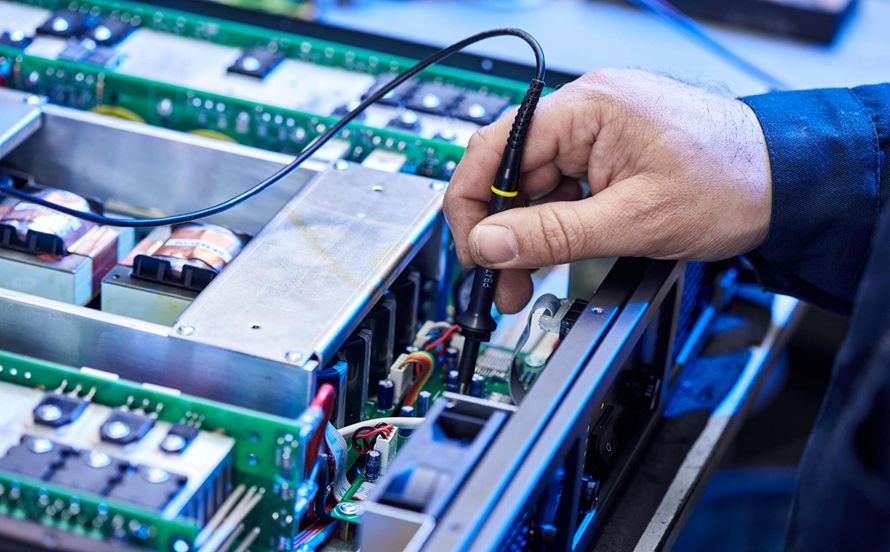
PCB Test Limit Setting: Where to Put the Line Buyers and engineers often focus on the finished product and forget the production line behind it. In practice, most field failures can be traced back to process decisions made during assembly. Understanding PCB test limit setting gives you a practical advantage…

PCB Guard Banding in Test: Leaving Room for Error Modern electronics depend on boards that are assembled correctly the first time. Every product – a phone, a charger, a medical instrument or an industrial controller – relies on thousands of solder joints that must conduct current for years. This article…
PCB Voltage Margin Testing: Where the Limits Really Are Modern electronics depend on boards that are assembled correctly the first time. Every product – a phone, a charger, a medical instrument or an industrial controller – relies on thousands of solder joints that must conduct current for years. This article…
PCB Thermal Margin Policy: How Much Room to Keep Buyers and engineers often focus on the finished product and forget the production line behind it. In practice, most field failures can be traced back to process decisions made during assembly. Understanding PCB thermal margin policy gives you a practical advantage…
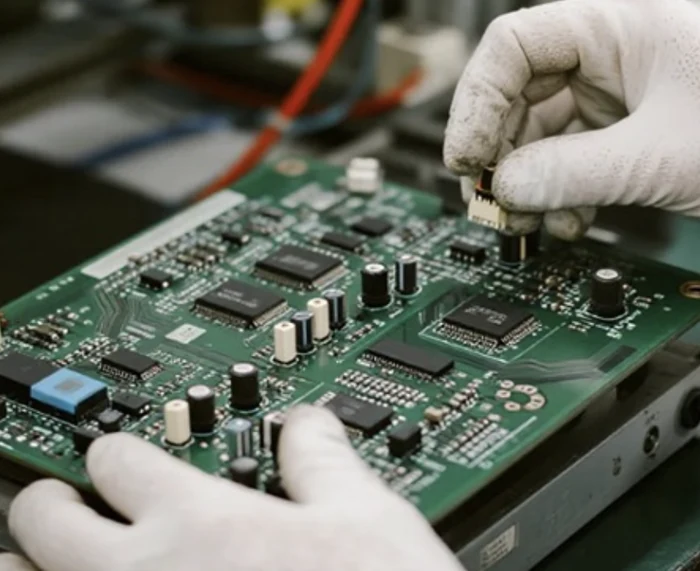
PCBA Order Failure Modes: Low Price, Lead Time and Response An assembly order rarely fails because the work was difficult. It fails through one of a small number of recognisable situations, and nearly all of them are visible before the order is placed. Knowing which failure mode is most likely…
PCB Derating Guidelines: Running Parts Below Their Limits Electronics manufacturing has become a discipline of small details. Solder paste volumes, placement accuracy, temperature profiles and inspection limits all add up to the final result. This guide looks at PCB derating guidelines from the perspective of a PCBA factory floor, covering…
Verifying an SMT Factory: Equipment, Lines and Certification Most assembly services describe themselves in the same terms. They have equipment, they work to recognised standards, they inspect their output and they deliver on time. Since every one of those claims is easy to make, the useful work for a customer…
PCB Mean Time Between Failures: What the Number Means Electronics manufacturing has become a discipline of small details. Solder paste volumes, placement accuracy, temperature profiles and inspection limits all add up to the final result. This guide looks at PCB mean time between failures from the perspective of a PCBA…
PCB Reliability Prediction Methods: Estimating Life Before Building Buyers and engineers often focus on the finished product and forget the production line behind it. In practice, most field failures can be traced back to process decisions made during assembly. Understanding PCB reliability prediction methods gives you a practical advantage when…
Sourcing Dense Multilayer Boards: What to Verify Boards that carry high-speed signals across many layers are a different sourcing problem from ordinary control boards, and the difference is not only the number of layers. The materials, the drilling, the plating, the lamination cycles and the impedance requirements all move into…