Phototool Handling: Storage, Cleaning and Registration Phototool handling covers everything that happens to the artwork film between the imaging department and the exposure frame, and it decides whether the pattern that reaches the panel is the pattern that was drawn. The film is a precision part that is often treated…
Process Cooling Water: Temperature, Flow and Quality Cooling water is the utility that keeps rectifiers, heat exchangers and chillers inside their working temperature, and on a plating line it is as important as the electricity. When it fails, the line stops rather than degrades. The utility is invisible while it…
Tank Lining Inspection: Cracks, Blisters and Repair Tank lining inspection is the work of checking the protective layer inside a plating tank while the tank is empty, and it is the only time the condition of that layer can be judged properly. A lining that has begun to fail lets…
Plating Line Leaks: Hoses, Fittings and Detection A leak on a plating line is easy to ignore because it usually starts as a drip. The drip carries bath chemistry out of the tank, onto the floor and into the drainage system, and it does all three continuously while the line…
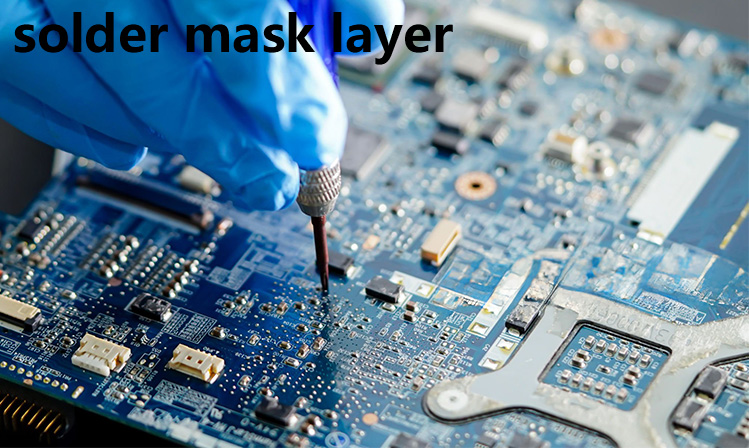
Solder Mask Ink Mixing: Ratio, Pot Life and Quality Ink mixing is the first step of the solder mask process and the one that is least often measured. A two-part epoxy ink is supplied as a resin and a hardener, and the ratio in which they are combined decides how…
Bookbinder Lamination: Keeping the Bend Area Free Bookbinder lamination is the rigid-flex technique that keeps the bend area free of prepreg and of the resin that flows out of it during the press cycle. The rigid sections are bonded, the flexible sections are protected, and the result is a board…
Fabrication Traveler: Route Cards and Process Sign-Off A fabrication traveler is the document that moves with a lot of panels through the shop, and it names every operation in sequence with a place to record the result. It is called a route card, a job card or a process sheet…
Insoluble Anodes: Coating, Contact and Service Life An insoluble anode is an anode that supplies current without dissolving into the bath, and it is used where the metal being plated comes from a chemical addition rather than from the anode itself. Titanium is the usual substrate, coated with a mixed…
Desoldering Braid: Removal Control in Rework Desoldering braid is a flat woven strip of fine copper that is pressed onto a joint with a soldering iron, and it removes the solder by capillary action. It is the simplest way to clear a pad or a through hole, and it is…
Dummy Plating: Bath Purification and Rebalance Dummy plating is the deliberate plating of a blank cathode to strip metallic contamination out of a working bath. The dummy is plated at a low current density, so impurities that plate more readily than the metal being deposited are removed onto a surface…