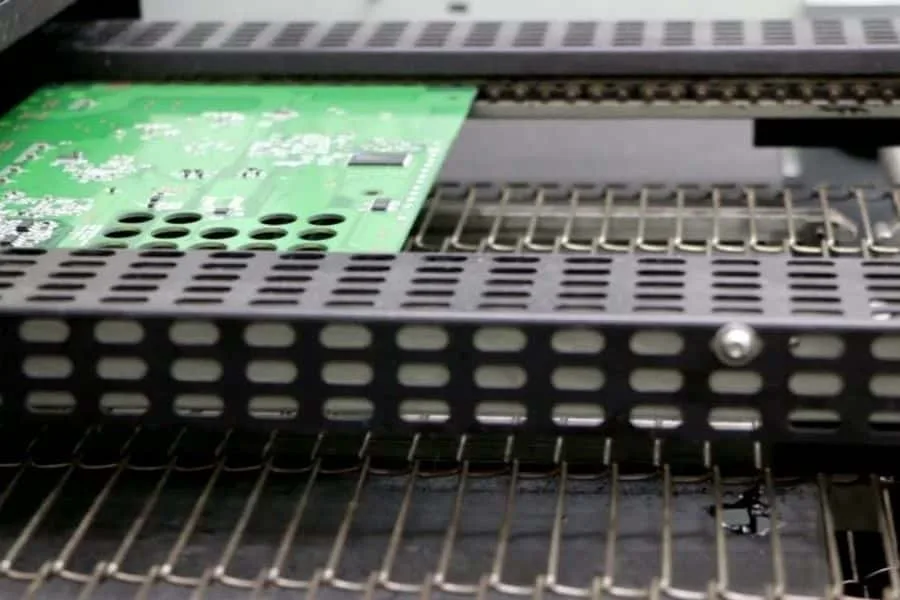
Stencil Aperture Clogging: Why Deposits Go Missing Stencil aperture clogging is the partial or complete blocking of an opening in the foil so that the deposit it should produce is short or missing. On a fine pitch stencil the first apertures to block are usually the smallest ones, and the…
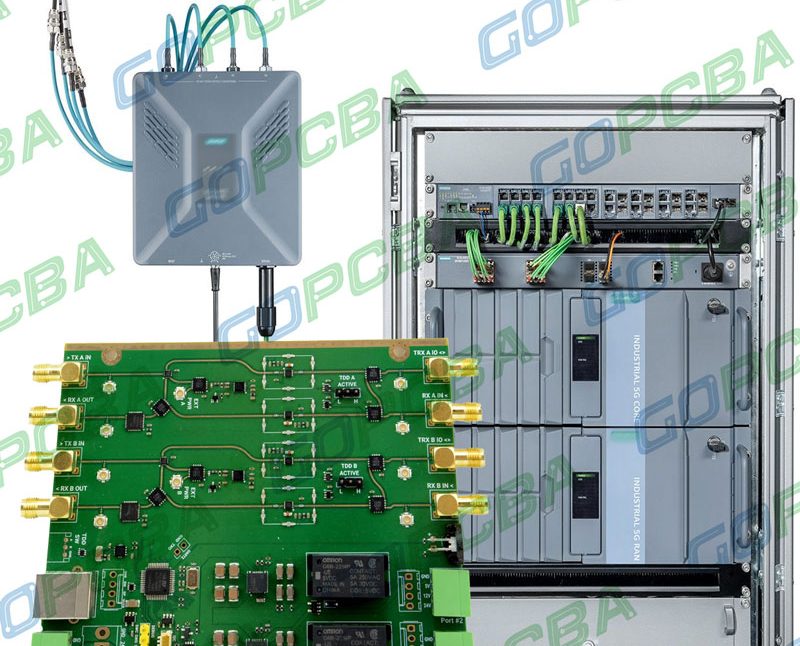
Underetch and Overetch: Holding Trace Width in Etching Underetch is incomplete removal of copper that should have been dissolved, while overetch is removal of copper that should have been protected. Both change the finished trace width, and both are symptoms of a process that has moved away from its balanced…
Fillet Heel Cracks: Where Solder Joints Start to Fail The heel of a fillet is the region where the solder rises from the pad onto the lead, and it is the point of highest stress in a through hole solder joint. A heel crack begins there and propagates through the…
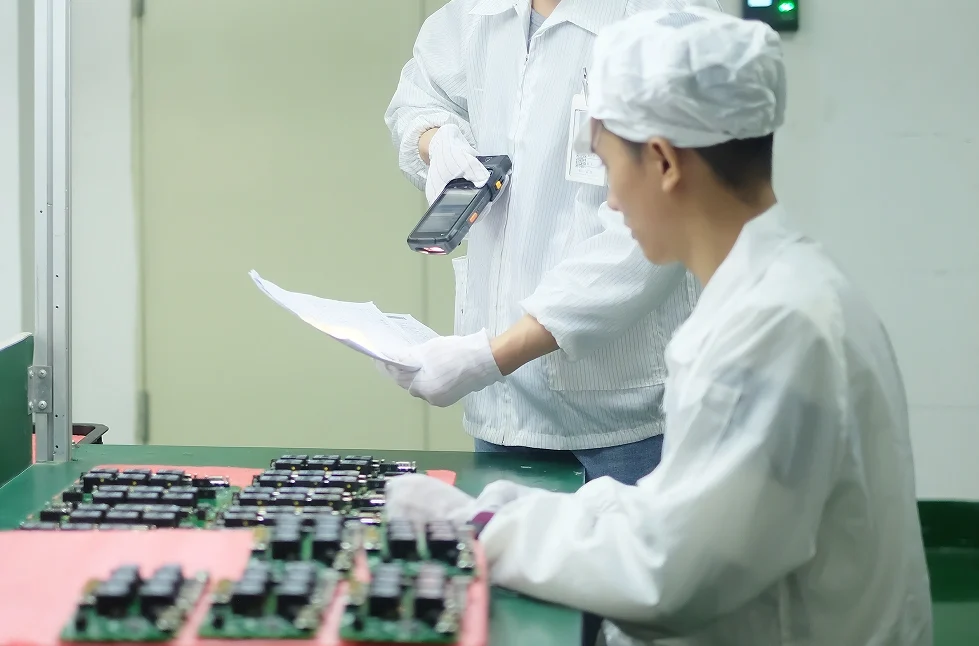
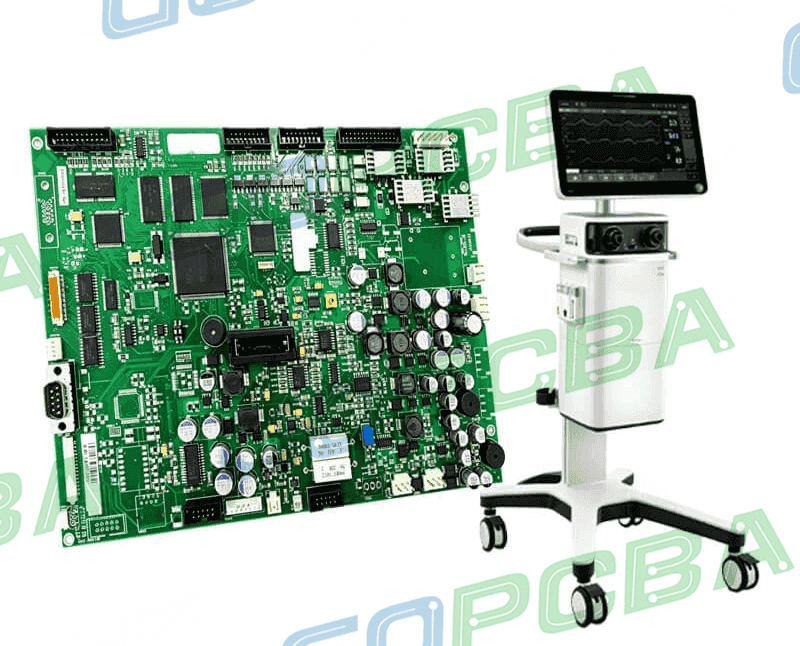
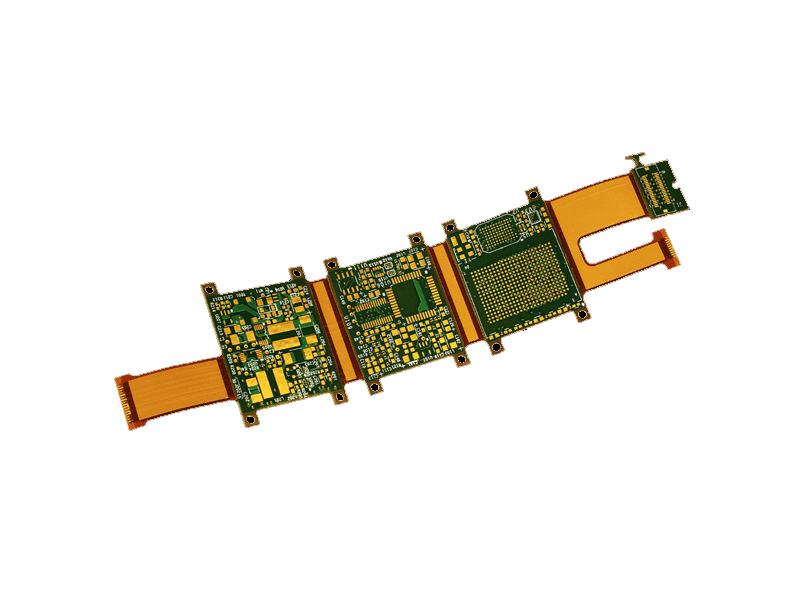
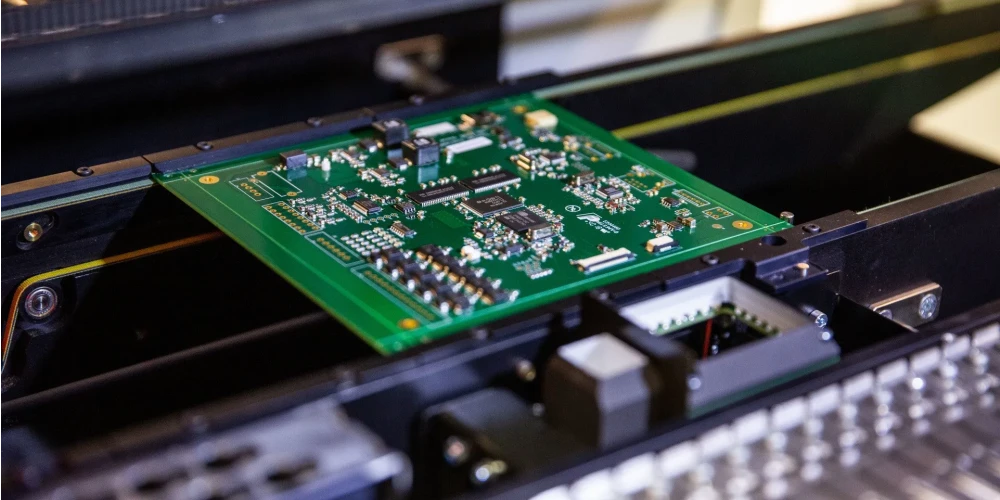
PCB Drill Bit Audit: Checking the Practice Modern electronics depend on boards that are assembled correctly the first time. Every product – a phone, a charger, a medical instrument or an industrial controller – relies on thousands of solder joints that must conduct current for years. This article explains PCB…
Solder Mask Shelf Life: Design Rules and Process Limits Solder mask shelf life is the period during which a sealed container of ink can be stored and still perform as it did when it was made. The date on the label is not a formality: the chemistry in the container…
PCB Drill Bit Cost: What It Adds Up To Electronics manufacturing has become a discipline of small details. Solder paste volumes, placement accuracy, temperature profiles and inspection limits all add up to the final result. This guide looks at PCB drill bit cost from the perspective of a PCBA factory…
Prepreg Resin Content: 6 Rules for Reliable Lamination Prepreg resin content is the proportion of the sheet that is resin rather than glass fabric, and it decides how much material is available to fill the gaps around the copper during lamination. Too little resin and the stack is short of…
PCB Drill Bit Problems: When It Goes Wrong Modern electronics depend on boards that are assembled correctly the first time. Every product – a phone, a charger, a medical instrument or an industrial controller – relies on thousands of solder joints that must conduct current for years. This article explains…
ICT Fixture Probe Alignment and Contact Verification Probe alignment decides whether an in-circuit test fixture measures the board or measures its own mechanical errors. A probe that lands a fraction of a millimetre off the target pad can still close the circuit, but the contact resistance it produces will drift…
Soldering Tip Life and Iron Temperature Control Soldering tip life is a consumable cost and a quality variable at the same time. A tip that has lost its plating will not transfer heat evenly, so the operator compensates with a higher tip temperature or a longer dwell, and the joints…