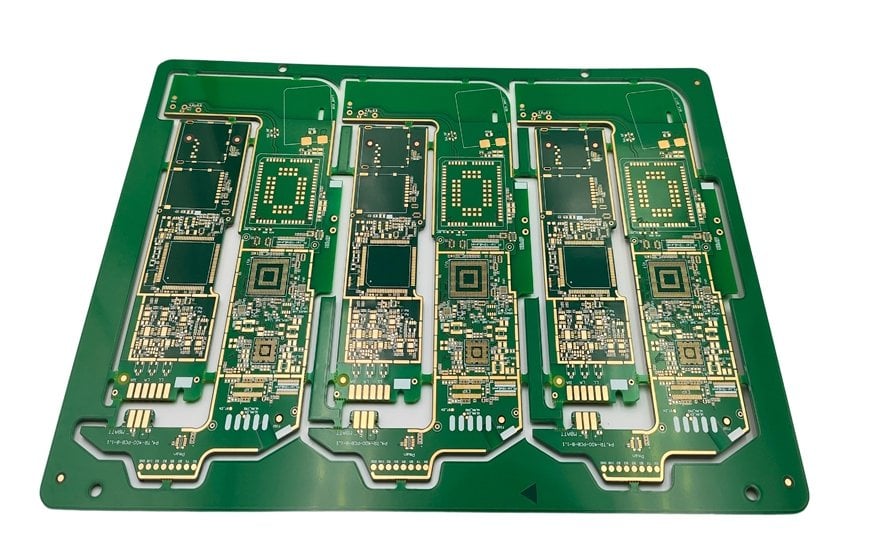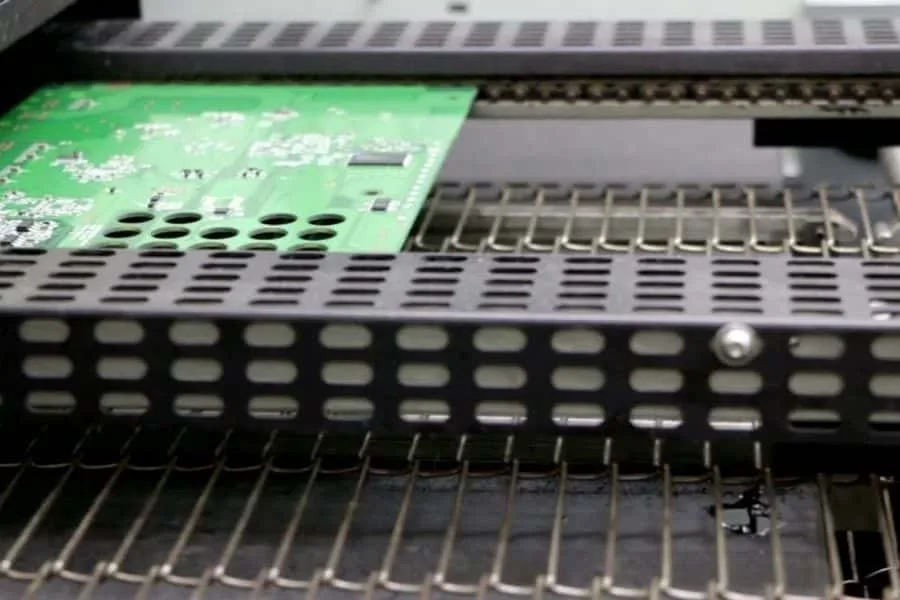
PCB Statement of Work Limits: Where the Edges Are Electronics manufacturing has become a discipline of small details. Solder paste volumes, placement accuracy, temperature profiles and inspection limits all add up to the final result. This guide looks at PCB statement of work limits from the perspective of a PCBA…
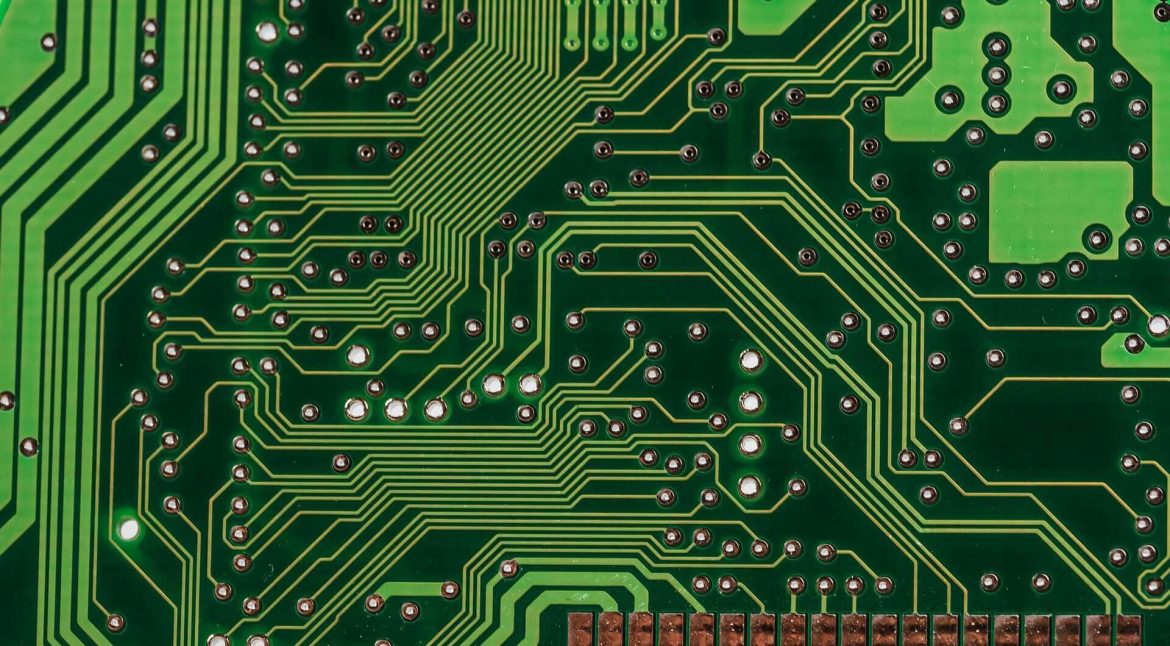
Gap Filler Dispensing for PCB Thermal Paths: 6 Rules A gap filler is a soft, heavily loaded polymer that is dispensed into the space between a board and a metal housing, frame or heat spreader. Unlike a thermal pad, it is applied as a liquid or a paste, so it…
Shield Termination to PCB Ground: 7 Rules for a 360 Degree Bond How a cable shield is terminated decides whether the shield works. A shield that is connected to the board by a single wire, often called a pigtail, looks like a proper connection and behaves like an inductor. At…
UV Cure Verification for PCB Adhesives and Coatings: 7 Rules A UV cure is a chemical reaction started by light rather than by heat. An adhesive or coating contains a photoinitiator that absorbs ultraviolet energy and begins the polymerisation, and the reaction then runs on its own. That is why…
PCB Statement of Work Maintenance: Keeping It Working Buyers and engineers often focus on the finished product and forget the production line behind it. In practice, most field failures can be traced back to process decisions made during assembly. Understanding PCB statement of work maintenance gives you a practical advantage…
Solder Sleeve Splices for Shielded Cables: 6 Process Rules A solder sleeve is a length of heat shrink tubing with a ring of solder preform and two rings of sealing adhesive inside it. When heat is applied the tubing shrinks onto the conductors, the solder melts and joins them, and…
Conveyor Rail Alignment: 6 Rules for Smooth Board Flow Conveyor rail alignment sets the height, width and parallelism of the two rails that carry a panel from the printer to the placement machines and on to reflow. It is the least glamorous adjustment on the line and one of the…
Placement Head Maintenance: 6 Rules for Stable Alignment Placement head maintenance keeps the mechanical and pneumatic parts of the machine inside the tolerance that the placement program assumes. The head is the part of the machine that moves fastest and touches the product most often, so it wears faster than…
PCB Statement of Work Setup: Getting Ready Buyers and engineers often focus on the finished product and forget the production line behind it. In practice, most field failures can be traced back to process decisions made during assembly. Understanding PCB statement of work setup gives you a practical advantage when…
PCB Statement of Work Defects: What Goes Wrong Buyers and engineers often focus on the finished product and forget the production line behind it. In practice, most field failures can be traced back to process decisions made during assembly. Understanding PCB statement of work defects gives you a practical advantage…