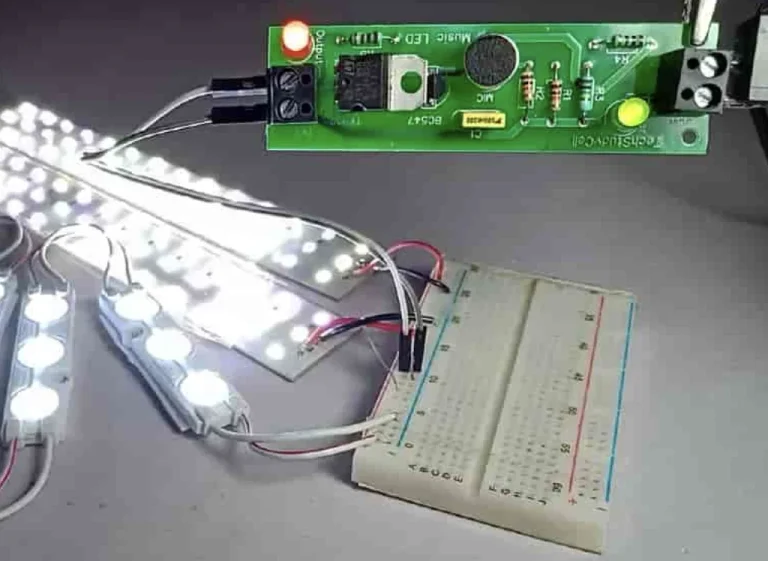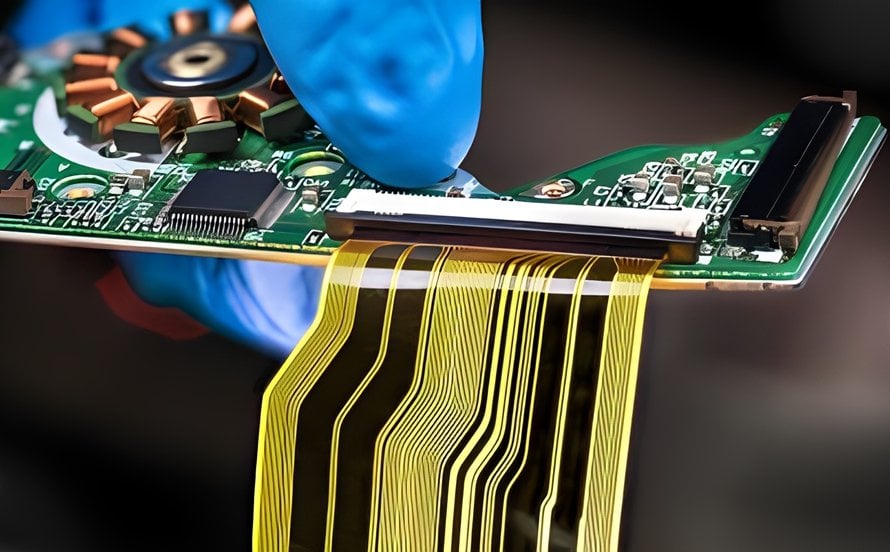
PCB Statement of Work Standards: Agreeing the Rules Modern electronics depend on boards that are assembled correctly the first time. Every product – a phone, a charger, a medical instrument or an industrial controller – relies on thousands of solder joints that must conduct current for years. This article explains…
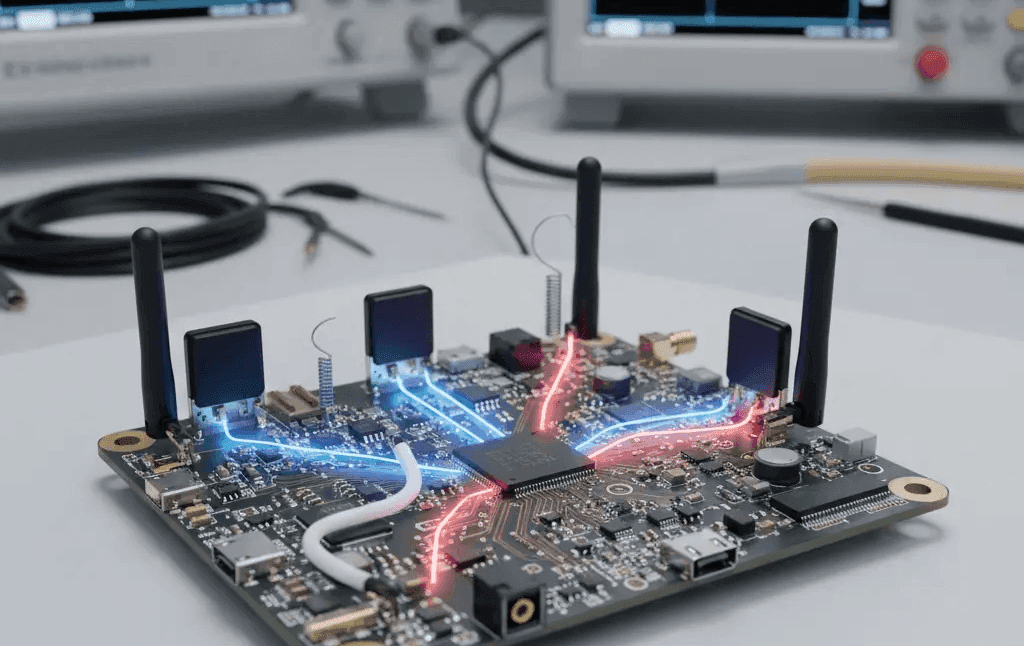
Nozzle Vacuum Setup: 6 Rules for Reliable Pickup Nozzle vacuum setup is the combination of air pressure, nozzle tip geometry and pickup height that lets a placement head lift a component from its pocket and hold it until the paste is reached. It is a small part of the machine,…
PCB Statement of Work Training: Teaching the Team Modern electronics depend on boards that are assembled correctly the first time. Every product – a phone, a charger, a medical instrument or an industrial controller – relies on thousands of solder joints that must conduct current for years. This article explains…

Acid Cleaner Concentration: 6 Rules for a Clean Surface Acid cleaner concentration is the strength of the acidic bath that removes oxide, fingerprints and light organic soil from a panel before plating, coating or lamination. The stage is short and inexpensive, and it is the one that decides whether every…
PCB Statement of Work Records: Writing It Down Electronics manufacturing has become a discipline of small details. Solder paste volumes, placement accuracy, temperature profiles and inspection limits all add up to the final result. This guide looks at PCB statement of work records from the perspective of a PCBA factory…
Shadow Plating and Throwing Power in PCB Plating Shadow plating is the local thinning of electroplated copper in areas that see less current than the rest of the panel. A bath can report a perfect surface thickness on a coupon while the wall of a small via stays barely covered,…
Reflow Thermal Uniformity and Delta T Control Thermal uniformity across a panel decides whether the profile that was validated on a coupon describes the parts that are actually being soldered. A large thermal mass next to a small package can hold a delta T of 15 °C or more, and…
Reflow Cooling Rate: Why the Cooldown Zone Matters Cooling rate is the slope of the temperature curve after the peak, and it is the part of a reflow profile that receives the least attention. The heating zones are specified in detail while the cooldown is often left to whatever the…
Solder Paste Transfer Efficiency in Stencil Printing Transfer efficiency is the number that tells you whether a stencil printing process is behaving: the paste volume deposited in an aperture divided by the theoretical volume of that aperture, expressed as a percentage. A line printing at 70 percent will produce intermittent…
PCB Statement of Work Audit: Checking the Practice Buyers and engineers often focus on the finished product and forget the production line behind it. In practice, most field failures can be traced back to process decisions made during assembly. Understanding PCB statement of work audit gives you a practical advantage…