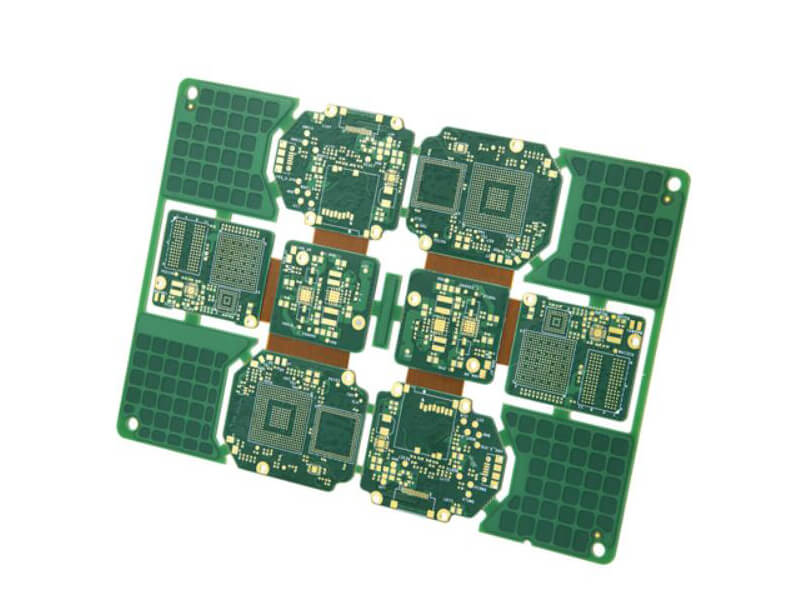
PCB Statement of Work Improvement: Getting Better Each Lot Buyers and engineers often focus on the finished product and forget the production line behind it. In practice, most field failures can be traced back to process decisions made during assembly. Understanding PCB statement of work improvement gives you a practical…
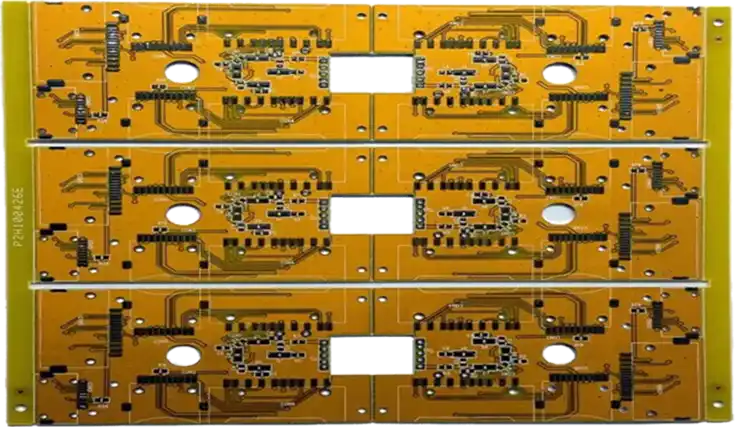
Ultrasonic Soldering for Fluxless PCB Joints: 7 Process Rules Ultrasonic soldering uses a vibrating tip to break up the oxide film on a metal surface while the molten alloy wets it. The vibration sets up cavitation in the liquid solder, and the collapsing bubbles scrub the surface clean at a…
Board Drying After Cleaning: 6 Rules for Dry Panels Board drying is the last operation in the cleaning line and the one most often treated as an afterthought. Water that stays on the surface carries dissolved material with it, and when the water finally leaves, that material stays behind as…
Resistance Soldering for Heavy PCB Joints: 6 Setup Rules Resistance soldering passes a low voltage, high current through a carbon electrode and the joint itself, so that the heat is generated by the electrical resistance of the parts being joined rather than by a heated tip. The joint reaches temperature…
Compressed Air Dew Point Control for PCB Assembly: 7 Rules Compressed air touches the product more often than most process engineers expect. It sprays flux, it blows solder paste and debris off a panel, it actuates dispensers and clamps, it dries boards after cleaning and it feeds the ionisers that…
Washer and Fastener Seating for PCB Hardware: 7 Rules A washer is a small part that decides how the load from a fastener is distributed into a printed circuit board. Used properly, it spreads the clamping force over an area large enough that the laminate is not crushed, protects the…
PCB Statement of Work Traceability: Following One Board Modern electronics depend on boards that are assembled correctly the first time. Every product – a phone, a charger, a medical instrument or an industrial controller – relies on thousands of solder joints that must conduct current for years. This article explains…
Halide-Free Flux: How Activation Works Without Halides A halide-free flux is one whose activator system contains no chloride or bromide compounds, or contains them below the limit defined by the applicable flux specification. The activators still have to remove metal oxide, so the formulator achieves that with organic acids and…
PCB Statement of Work Environment: Where It Happens Modern electronics depend on boards that are assembled correctly the first time. Every product – a phone, a charger, a medical instrument or an industrial controller – relies on thousands of solder joints that must conduct current for years. This article explains…
Four Point Bend Testing for Solder Joint Reliability Four point bend testing loads a populated board so that it curves between two inner supports while being pushed by two outer rollers. The arrangement produces a region of uniform bending moment between the inner supports, which means the joints inside that…