Component Polarity and Orientation Control A component placed in the wrong orientation is usually functional at test and defective in the field. A reversed diode, an inverted electrolytic capacitor or a rotated connector can pass a quick test, survive the burn in and fail when the product is used. Polarity…
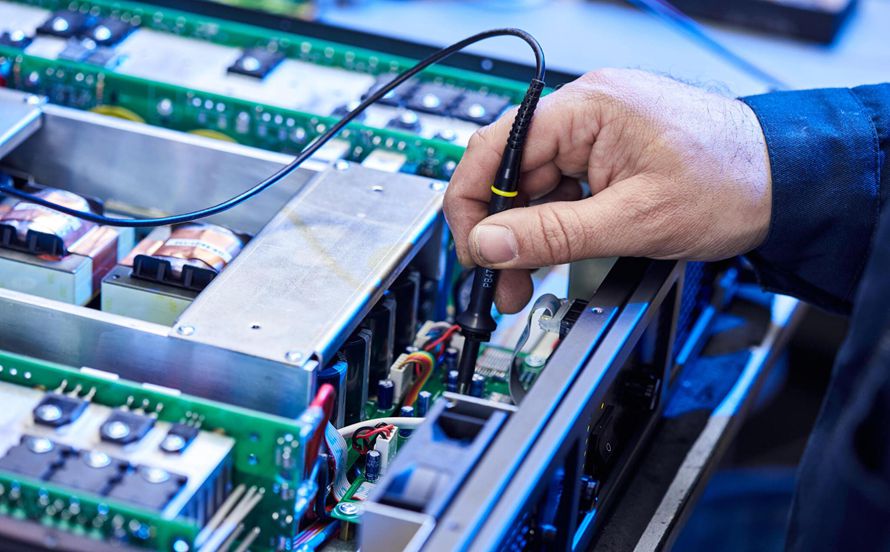
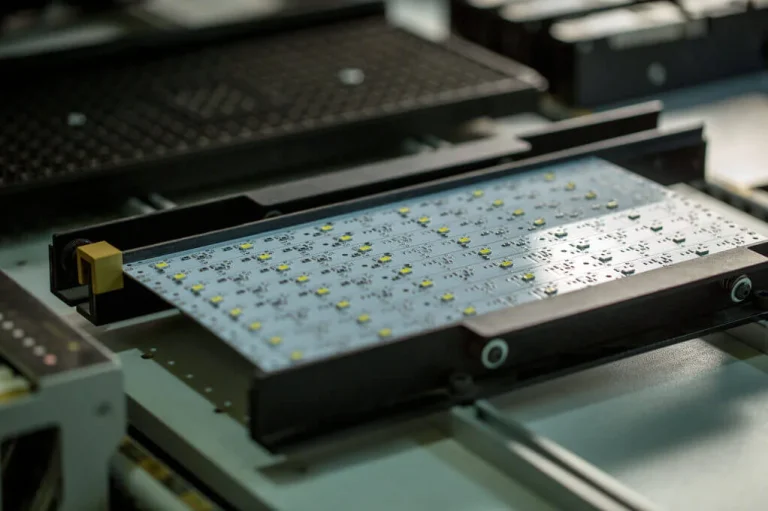
PCB Conveyor Risks: What Could Go Wrong Modern electronics depend on boards that are assembled correctly the first time. Every product – a phone, a charger, a medical instrument or an industrial controller – relies on thousands of solder joints that must conduct current for years. This article explains PCB…
Coating Masking: Design Rules and Process Limits Conformal coating protects a board only where it is applied, and it causes problems wherever it is applied by accident. Connectors, test points, relays, optical surfaces and anything that must mate mechanically have to stay clear, which means the coating process has to…
PCB Conveyor Sample: Checking a Small Piece Buyers and engineers often focus on the finished product and forget the production line behind it. In practice, most field failures can be traced back to process decisions made during assembly. Understanding PCB conveyor sample gives you a practical advantage when you choose…
Gold Finger: Design Rules and Process Limits Gold fingers are the part of a board a customer touches, plugs and unplugs, and they are expected to survive thousands of mating cycles without losing contact resistance. They are also one of the hardest features to plate well, because the geometry is…
Solder Wick: Design Rules and Process Limits Solder wick is a braided copper strip that is heated on a joint and draws the molten alloy into itself by capillary action. It is the standard way to remove solder from a joint, and the way it is used decides whether the…
Wave Soldering Thermal Relief Design A thermal relief is the pattern of copper spokes that connects a plated through hole to a plane without attaching it solidly. It exists to slow the rate at which heat is conducted away from the joint during soldering, so that the barrel and the…
Rolled Annealed and Electrodeposited Copper Foil Copper foil is made by two processes, and the foil that results is different in ways that matter to a flexible circuit and hardly at all to a rigid one. The difference is in the grain structure, and it shows up as ductility rather…
Component Shift After Reflow and How to Prevent It A component that has shifted during reflow is a placement problem that the placement machine cannot fix. The part was in the correct position when it was placed and moved while the alloy was molten, so the cause lies in the…
Solder Joint Void Acceptance Criteria Voids are cavities inside a solder joint, and they are one of the few joint features that can be seen without cutting the board open. Because X-ray makes them visible, they attract attention out of proportion to their effect, and specifications are often written as…