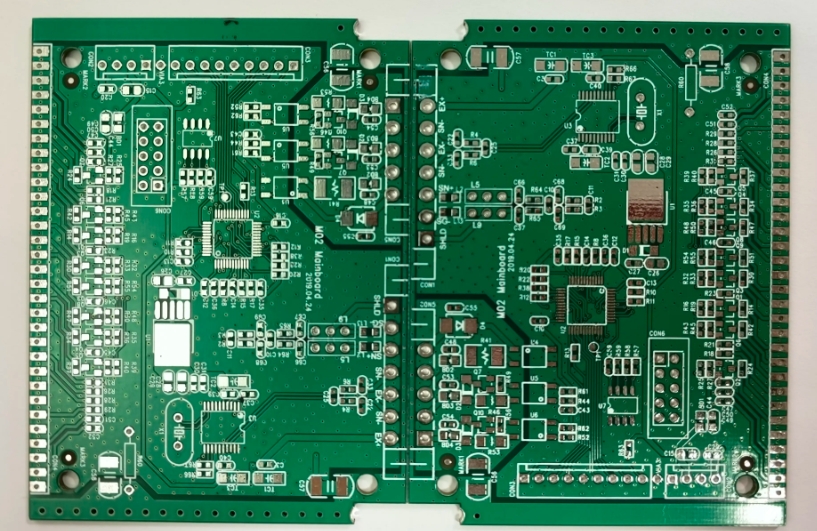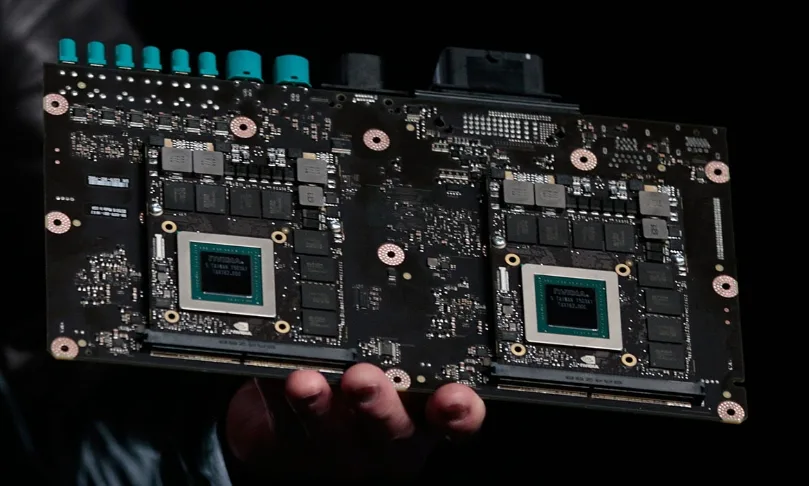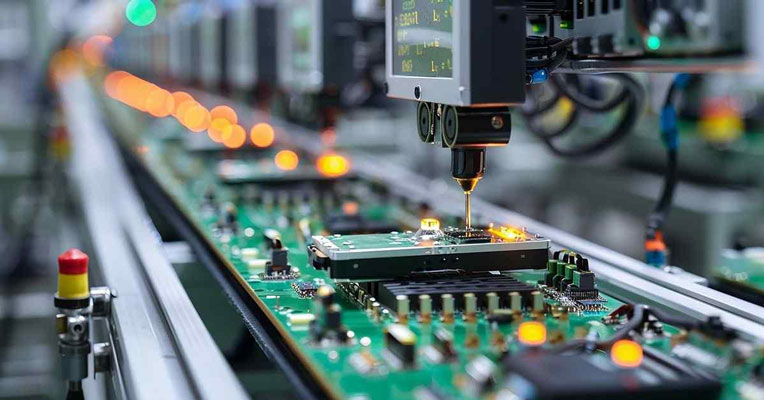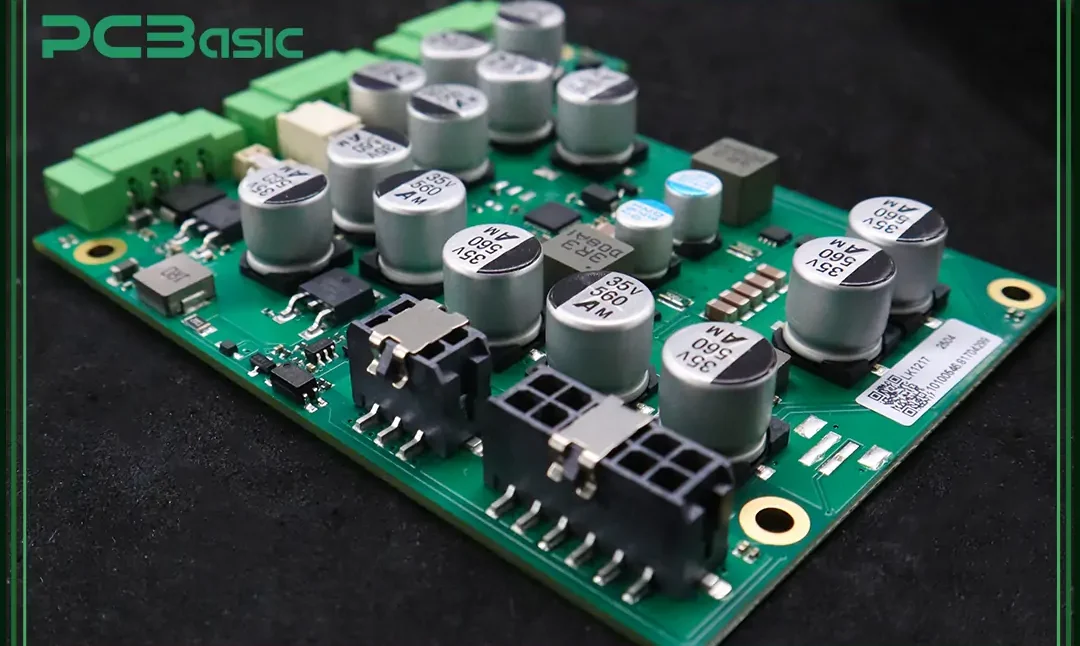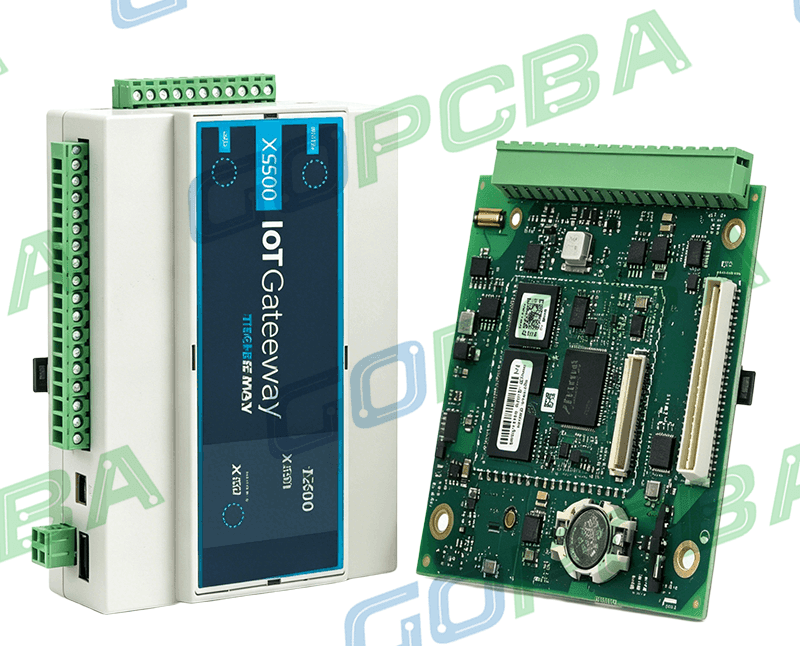
Shelf Life Management for Bare PCBs: A Practical Guide A bare board is a chemically active object, and its usefulness declines from the moment it is packed. The finish oxidises, the laminate absorbs moisture and the surface accumulates whatever is in the air around it. Shelf life management is the…
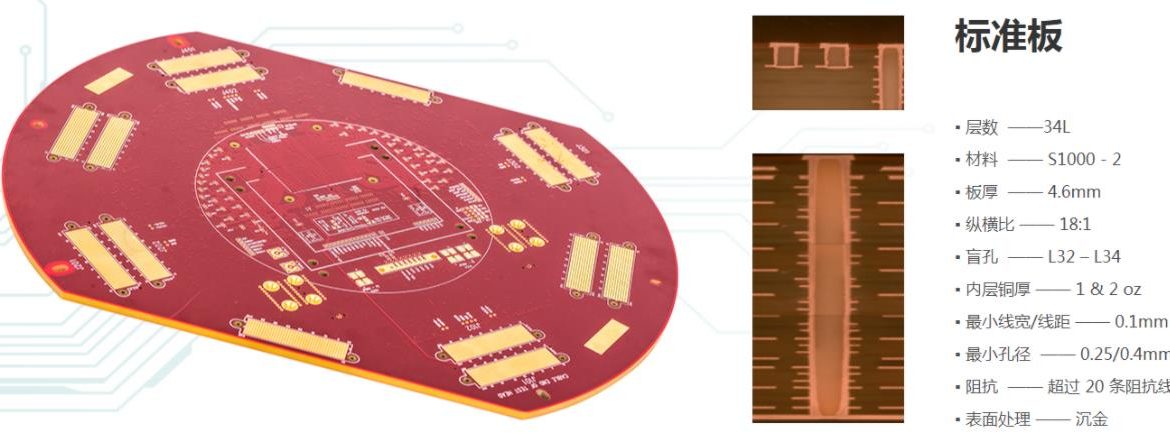
Plating Thickness Distribution Across a Panel Plating thickness is not uniform across a panel, and the variation is a property of the process rather than a defect. The current density is highest where the cathode geometry concentrates it, so the corners of a panel and the isolated features plate differently…
PCB Handling and Logistics Between Shops A finished board travels from a fabrication shop to an assembly line, and the condition it arrives in decides whether the first process step works. The handling between those two points is part of the product specification, and a change to it is a…
Solder Joint Microsection Analysis A microsection is the only way to see inside a solder joint. Visual inspection shows the fillet, X-ray shows the voiding, but neither reveals the intermetallic layer, the grain structure or the crack that has started at the interface between the solder and the pad. When…
Thermal Pad Voiding Control in Power Assembly A large thermal pad under a power device is a joint with a very small gap and a very large area, and the flux that has to escape from the middle of it has a long way to go. The voids that result…
Reflow Cooling Rate and Solder Joint Structure A solder joint solidifies in a second, and what happens in that second decides the grain structure of the alloy. A fast cooling produces a fine grain and a slow one produces a coarse grain, and the difference shows up in the mechanical…
Drill Wear: Design Rules and Process Limits Every hole in a board is cut by a tool that is wearing out. A new drill cuts cleanly, a partly worn drill cuts acceptably, and a worn drill tears the copper, roughens the wall and produces a hole that plating cannot fully…
Fixture Cleaning: Fixture and Tooling Cleaning and Maintenance A fixture is a precision tool that is used every day and cleaned rarely. The material that builds up on it changes the height of the board and therefore the print, and the change is gradual enough to go unnoticed. What Builds…
Process Audit and Walkthrough in Electronics Assembly An audit that only checks whether documents exist tells you very little. An audit that watches the process run and compares it with what the documents say produces findings, and the findings are where the value is. What to Observe The audit should…
Controlled Impedance: Design Rules and Process Limits Controlled impedance is a specification that a board must meet, not a property that a stackup automatically provides. The difference between a nominal value and a delivered value comes from the tolerance of every parameter in the stackup: trace width, dielectric thickness, dielectric…